




What Exactly Is Changing with UPI?
After nearly six years of being completely free for merchants, the Unified Payments Interface (UPI) will see the introduction of a Merchant Discount Rate (MDR). Effective from October 15, 2026, a fee of 0.4% will be levied on person-to-merchant (P2M)
transactions that are over ₹2,000. This change signals a major shift in the economics of India's world-leading digital payment system. The goal is to create a more sustainable revenue stream for the banks and payment companies that operate the vast UPI infrastructure, which costs an estimated ₹20,000 crore annually to run. However, the new rule is not a blanket charge and comes with several important exceptions.
Will My UPI Payments Now Cost More?
For the average consumer, the short answer is no. The government and the National Payments Corporation of India (NPCI) have been clear: customers will not be directly charged for making UPI payments. The 0.4% MDR is a fee that the merchant is responsible for, paid to banks and payment service providers. Furthermore, merchants are officially advised not to pass this cost on to customers by adding a surcharge to their bill. All person-to-person (P2P) transfers, like sending money to friends or family, remain completely free, regardless of the amount.
Which Transactions Are Actually Affected?
The new fee structure is specifically designed to protect the vast majority of daily transactions. Payments of up to ₹2,000 made to any merchant will continue to be free of charge. According to the government, this covers over 95% of all UPI merchant transactions. The 0.4% fee only applies to merchant payments above the ₹2,000 threshold. For very large purchases, the fee is capped at ₹300 for any transaction of ₹75,000 or more, making costs predictable for businesses. Certain essential services like railways, fuel, insurance, and telecom will have a lower, flat fee of ₹5 per transaction instead of the percentage-based charge.
How Will This Impact Small Businesses?
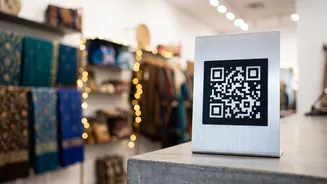
The framework includes key exemptions to protect small and micro-merchants. Any business receiving up to ₹1 lakh per month through UPI QR codes will not have to pay any MDR. This ensures that street vendors and small Kirana stores, who have been pivotal to UPI's adoption, are not burdened. However, for mid-sized retailers who operate on thin margins and have many transactions just over the ₹2,000 mark, the new fee represents a fresh cost. Retailer associations have expressed concern that this could lead some merchants to encourage cash payments for larger purchases to avoid the fee, especially during the crucial festive sales period.
What to Expect This Festive Season
The timing of the change, right in the middle of the Navratri-to-Diwali shopping window, is notable. While you won't see a 'UPI fee' on your bill, the new cost dynamics for merchants could lead to subtle shifts in behaviour. For purchases above ₹2,000—like new clothes, electronics, or major household goods—don't be surprised if some smaller shopkeepers prefer cash or other payment methods. This isn't because UPI is no longer free for you, but because it's no longer entirely free for them. As a shopper, your experience should remain seamless for the most part, but the underlying system that powers your favourite payment app is undergoing a fundamental evolution.