





A Shift from Celebrity Chefs to Home Cooks
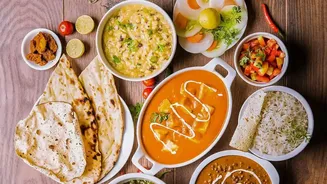
For years, the formula for a successful Indian food festival was predictable: anchor the event with a few celebrity chefs, add a dash of restaurant pop-ups, and serve a familiar menu of butter chicken, kebabs, and biryani. While popular, this model often
presented a narrow view of India's vast culinary landscape. Today, a significant shift is taking place. Festival curators and even five-star hotels are turning their attention to a new-found source of culinary inspiration: the family kitchen. They are championing home cooks—grandmothers, fathers, and passionate individuals—who are custodians of recipes passed down through generations.
The Growing Appetite for Authenticity
This movement is largely driven by a changing consumer palate. Diners, especially in urban centres, are increasingly seeking authentic and personalised food experiences. There's a growing fatigue with standardised restaurant fare and a yearning for food that tells a story. People want to taste dishes that are tied to a specific region, community, or family history—recipes that you won't find on a commercial menu. This quest for authenticity has created a platform for home chefs who specialise in hyper-local and often 'lost' cuisines, from the temple foods of Tamil Nadu to the rustic dishes of the Himalayas.
The New Stars: Custodians of Culinary Heritage
The new heroes of the food festival circuit are not chefs in tall white hats, but home cooks with a deep connection to their heritage. These individuals bring more than just food to the table; they bring stories, memories, and time-honoured techniques. Many of these recipes are unwritten, learned through observation and practice, using intuitive measures and traditional methods. For example, a festival might feature a home cook from a coastal Koli community in Maharashtra, sharing fish preparations unique to their family, or a chef presenting a nearly forgotten celebratory dish from a royal kitchen in Jaipur. By showcasing these cooks, festivals are transforming into living museums of culinary history.
More Than a Meal: Preserving a Legacy
This trend is about much more than just food; it's a vital act of cultural preservation. With the rise of nuclear families and fast-paced lifestyles, many heirloom recipes are at risk of being forgotten. Food festivals and pop-ups provide a crucial platform to document, share, and revitalise these culinary traditions. By giving home cooks a stage, organisers are ensuring that dishes like a specific Bengali Shukto or a regional variant of Olan from Kerala are not just preserved but celebrated by a new generation of food lovers. These events become a bridge between the past and the present, ensuring that a family's legacy continues one plate at a time.
The Logistics of Homestyle
Bringing these home kitchens into a commercial, festival-like setting is not without its challenges. Organisers and hotels often collaborate closely with these cooks, providing support to scale up their recipes for a larger audience while maintaining the integrity and flavour of the original dish. The model is proving to be a win-win. Home chefs get exposure and a new source of income, while festivals get to offer unique, story-rich content that sets them apart. Platforms like social media have been instrumental in this shift, allowing curators to discover talented home cooks and enabling these cooks to build a following and share their culinary journeys with a wider audience.