


The Trend Explained
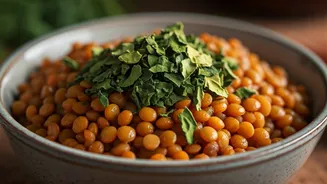
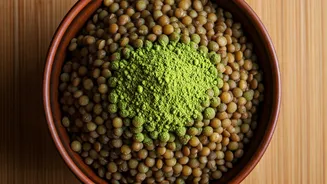
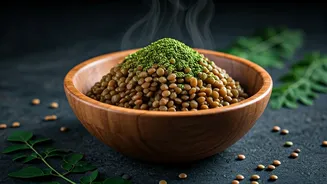
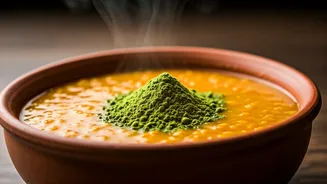
Across the wellness world, plant-based coaches and nutritionists are buzzing about a simple way to supercharge one of India’s most beloved comfort foods. The advice is straightforward: stir moringa flakes into your cooked lentils or dal. The idea is to take
two already healthy foods and create a synergistic powerhouse of nutrients. It’s a modern wellness trend that, as it turns out, has deep roots in traditional Indian practices, where the 'drumstick tree' has been a staple for centuries.
What Exactly Is Moringa?
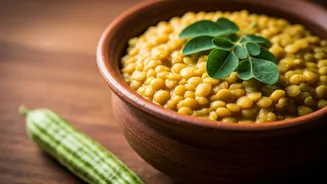
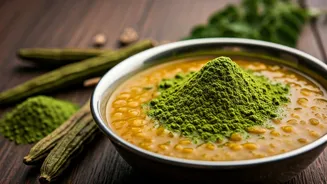
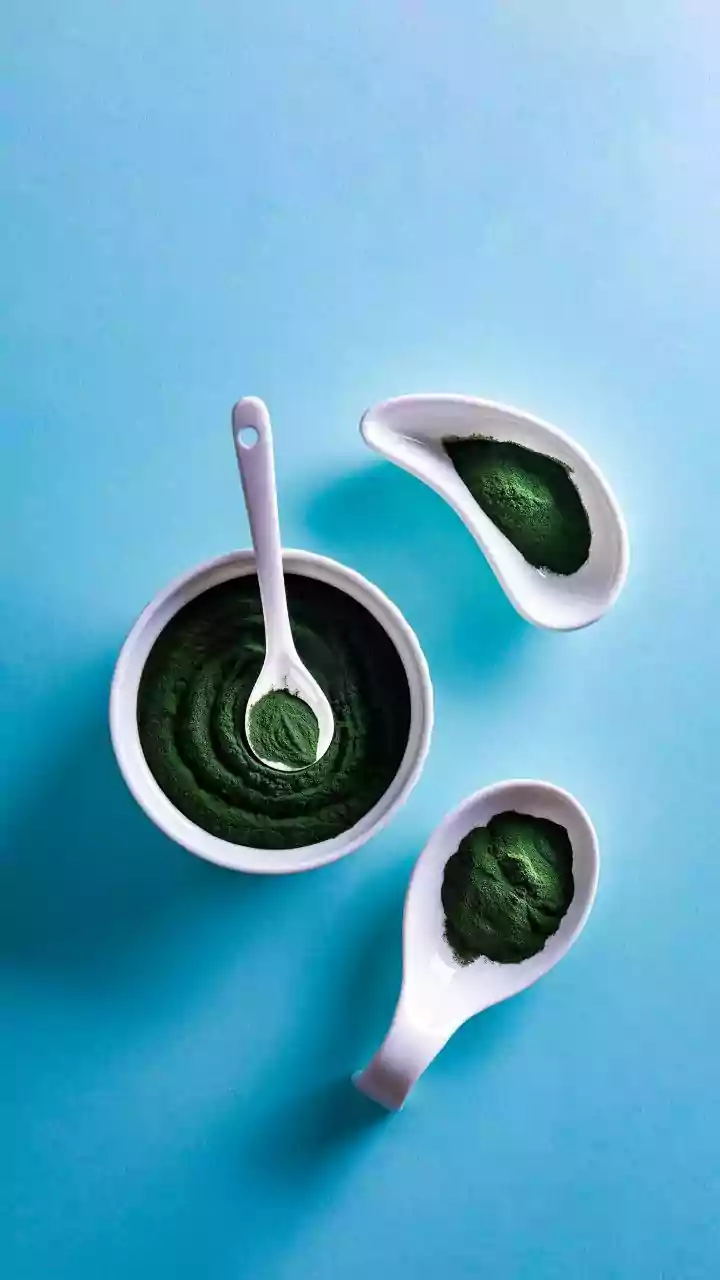
Moringa oleifera, known locally as ‘shevga’ or the drumstick tree, is often called a 'miracle tree', and for good reason. While many are familiar with its long green pods used in sambar, the leaves are the real nutritional stars. When dried and crushed, they become moringa flakes or powder. These greens are packed with an impressive array of nutrients. They are a rich source of vitamins A, C, and E, calcium, potassium, and protein. Moreover, moringa is loaded with antioxidants like quercetin and chlorogenic acid, which help combat oxidative stress in the body. Its traditional use in Ayurvedic medicine for various ailments is now being explored by modern science, confirming its potent anti-inflammatory and protective properties.
Why Pair It With Lentils?
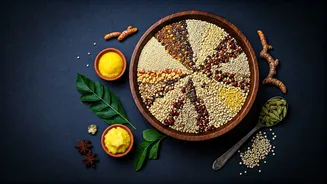
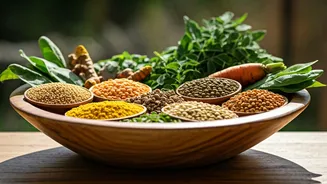
Lentils are the perfect canvas for moringa’s nutritional punch. Dal is a cornerstone of the Indian diet—affordable, accessible, and a fantastic source of plant-based protein, fibre, and iron. However, the iron in lentils (non-heme iron) is not as easily absorbed by the body as the iron from animal sources. This is where moringa works its magic. Moringa is rich in Vitamin C, which has been scientifically shown to significantly enhance the absorption of non-heme iron. So, when you add moringa to your dal, you’re not just adding more nutrients; you're helping your body make better use of the nutrients already present in the lentils.
A Complete Nutritional Boost
The partnership goes beyond iron absorption. Lentils are a great source of protein, but like many plant sources, they don't contain all nine essential amino acids in optimal amounts. Moringa leaves, on the other hand, contain all nine, making them a 'complete' protein source. By combining the two, you create a meal with a more robust and complete amino acid profile, which is crucial for muscle repair, immune function, and overall bodily health. You're essentially turning a simple bowl of dal into a more comprehensive, nutritionally-dense meal without altering its fundamental character.
How to Add Moringa to Your Dal
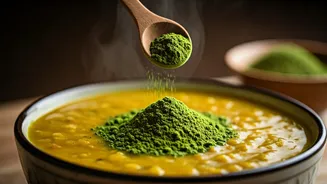
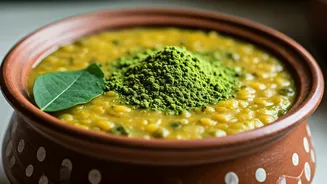
Incorporating moringa is incredibly easy. The key is to preserve its delicate nutrients, which can be damaged by prolonged heat. Do not cook the moringa flakes with your dal from the beginning. Instead, prepare your dal as you normally would. Once it’s cooked and you've turned off the heat, simply stir in one to two teaspoons of moringa flakes per serving. Let it sit for a minute to blend in. The residual heat is enough to incorporate the flakes without destroying the valuable vitamins. As for the taste, moringa has a mild, earthy, spinach-like flavour that is easily masked by the spices in a typical dal. Start with a small amount and adjust to your preference.
Choosing and Storing Moringa
When buying moringa, look for a product that is 100% pure moringa leaf powder or flakes, preferably organic, to avoid pesticides. The colour should be a vibrant green, not a dull brownish-green, which can indicate old stock or improper processing. Store your moringa in an airtight container in a cool, dark place (like a cupboard) to protect it from light, heat, and air, which can degrade its nutrient content over time.