








Beyond the Taj Mahal
For decades, Indian tourism often meant a frantic dash between major monuments. But a significant shift is underway, especially in the country's heartland. A growing number of travellers are swapping air-conditioned coaches for comfortable walking shoes,
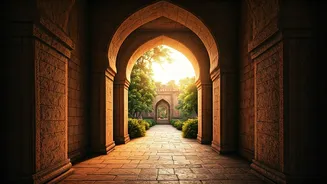
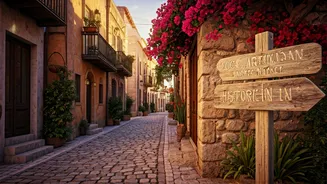
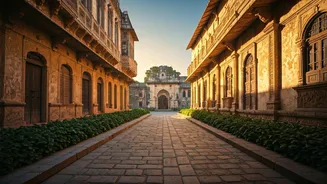
seeking out heritage walking tours in the historic towns of Central India. Places like Orchha, Mandu, Maheshwar, and Chanderi are becoming the new epicentres of a travel movement that prioritises depth over distance. These are not your typical guided tours. Instead of a guide rattling off dates and dynasties, these walks are often led by historians, architects, or passionate locals who act as storytellers, breathing life into crumbling cenotaphs, abandoned forts, and bustling bazaars that have existed for centuries.
The Allure of Slow Travel
So, what’s driving this boom? The trend is fuelled by a post-pandemic yearning for more meaningful and authentic experiences. After years of restricted movement, many Indian travellers are looking to reconnect with their own country’s history on a deeper level. They are seeking 'slow travel'—a philosophy that encourages connection with local culture, food, and people. A walking tour perfectly encapsulates this idea. It’s an unhurried, immersive experience that allows for serendipitous discoveries: a conversation with a local artisan, the taste of a regional specialty from a street vendor, or the quiet appreciation of intricate carvings you’d miss from a moving vehicle. Social media also plays a role, with visually stunning posts of these lesser-known 'heritage gems' inspiring a new wave of culturally curious explorers.
Where History Comes Alive
The magic lies in the destinations themselves. In Orchha, Madhya Pradesh, a walk can take you from the spectacular chhatris (cenotaphs) on the banks of the Betwa River to the grand palaces of Jehangir Mahal, with tales of Bundela Rajput kings echoing in your ears. In Mandu, the abandoned 'City of Joy', every stone tells a story of the legendary romance between Sultan Baz Bahadur and Rani Roopmati. A walk here feels like stepping into a historical romance novel. Similarly, Maheshwar, on the banks of the Narmada, offers walks that weave through its 18th-century fort and the bustling community of weavers creating the famous Maheshwari sarees. These towns are living museums, and a walking tour is the key to unlocking their secrets.
The Storytellers at the Helm
The success of these tours hinges on the guides. They are the bridge between the past and the present. Many are not conventional guides but academics, conservationists, or descendants of noble families who have an intimate connection to the place. They don't just point at buildings; they contextualise them, sharing anecdotes, folklore, and details about the architecture, society, and politics of the time. They help you 'read' a city, pointing out the subtle architectural fusion in a gateway or explaining the strategic importance of a fort's location. This narrative-driven approach transforms a simple walk into a compelling educational and emotional journey, making history feel personal and relevant.
A Boost for Local Economies
This trend offers more than just a great travel experience; it provides a vital boost to local economies. Unlike mass tourism, which often sees profits funnelled to large corporations, heritage walks directly benefit the local community. They create employment for guides, encourage the patronage of local guesthouses and eateries, and raise the profile of regional artisans and weavers. By showcasing the value of heritage, these tours also create a strong incentive for its preservation. When local communities see that their history and culture are assets that can provide sustainable livelihoods, they become its most passionate custodians. This form of tourism is not just about seeing a place, but about participating in its story and contributing to its future.