
The Challenge of Predicting Chaos
Weather forecasting is fundamentally difficult. The atmosphere is a chaotic system, where small initial uncertainties can lead to vastly different outcomes. For decades, meteorologists have relied on numerical weather prediction (NWP) models, which use
the laws of physics to simulate the atmosphere's future state. These models are powered by supercomputers and fed a constant stream of data from weather stations, balloons, and, most importantly, satellites. However, there are significant gaps. Vast stretches of the planet, particularly oceans and the Global South, have limited real-time monitoring, leaving forecasters to fill in the blanks. This data shortage is a primary bottleneck, limiting the accuracy of everything from next-day rain predictions to long-range storm tracking.
A New Generation of Eyes in the Sky
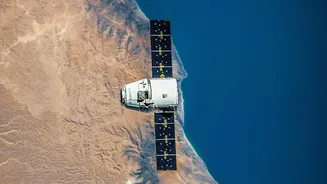
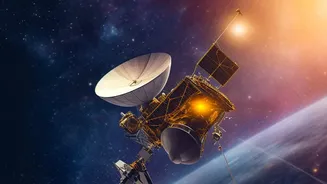
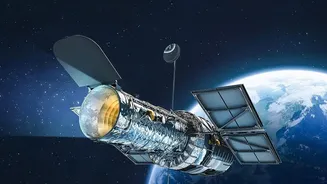
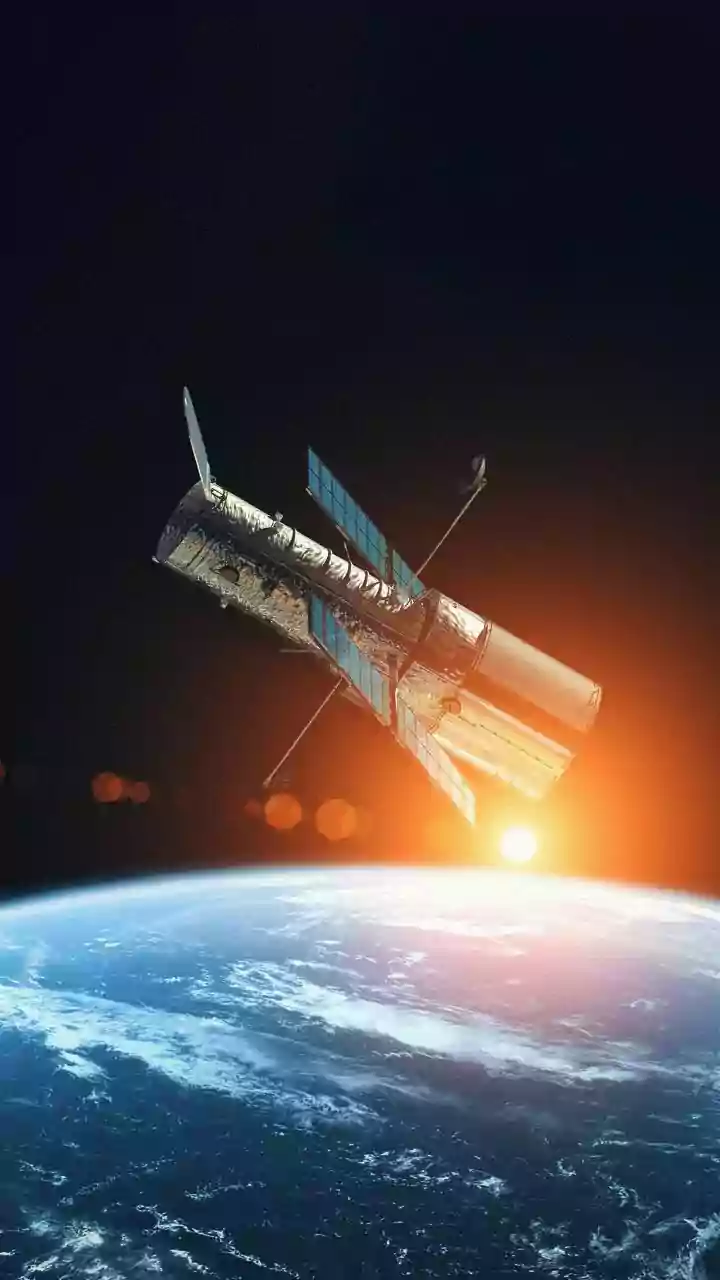
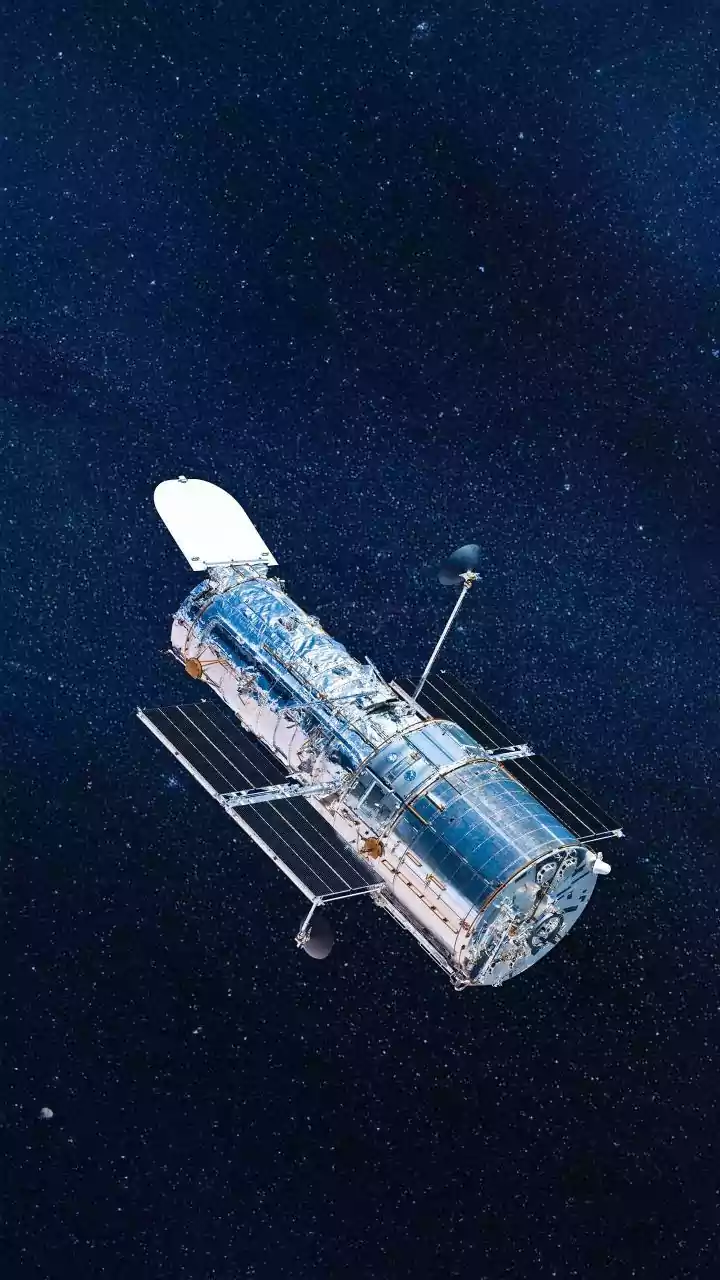
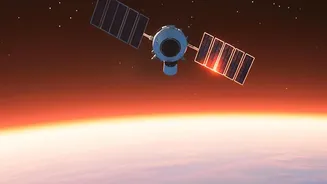
A fleet of advanced satellites is being deployed to close these observational gaps. This includes new geostationary satellites, which provide constant views of a region, and polar-orbiting satellites that scan the entire globe. Europe's Meteosat Third Generation (MTG) system, for instance, is now fully in orbit and will provide highly accurate data for the next two decades. These aren't just incremental upgrades. New instruments are coming online, such as advanced microwave sounders that measure temperature and water vapour through clouds, and precipitation radars that create 3D maps of storms from space. Private companies are also entering the fray, with constellations like Tomorrow.io's DeepSky designed to deploy a suite of five unique instruments to monitor the entire atmospheric column, from the surface to the upper atmosphere. This will provide a more complete, real-time picture of developing weather systems.
The AI Revolution in Forecasting
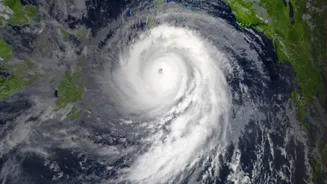
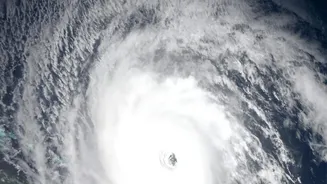
Gathering more data is only half the battle; it all needs to be processed. This is where artificial intelligence (AI) is becoming a game-changer. AI models can process enormous meteorological datasets up to 100,000 times faster than traditional systems. Companies like Google and Nvidia, alongside national weather agencies, are developing AI that can identify patterns in atmospheric data with incredible speed and accuracy. These models excel at predicting large-scale weather patterns and have already shown they can reduce errors in typhoon track forecasts significantly. While AI is not yet a complete replacement for conventional models—especially for rare or small-scale events like localized downpours—the plan is to combine the two approaches to leverage the strengths of both.
What This Means for Your Daily Forecast
The combination of better satellites and smarter AI will translate into tangible benefits. For individuals, it means more reliable short-term forecasts and earlier, more accurate warnings for severe weather. Imagine getting a dependable alert for a major storm system not just days, but potentially a week or more in advance, giving communities more time to prepare. For industries like agriculture, improved long-range forecasting can guide crucial decisions about when to plant and how to manage water resources, especially in tracking critical events like monsoons. It also improves safety and efficiency for aviation, shipping, and energy sectors, which are all heavily exposed to weather volatility. Ultimately, this technological leap promises to make weather forecasts a more precise and actionable tool for public safety and economic planning.