
The Gentle Appeal of the Curve
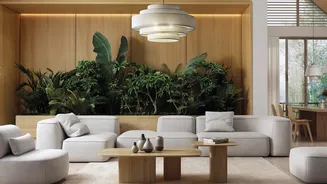
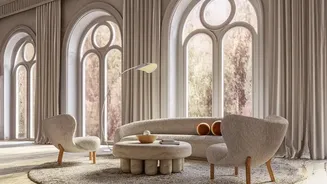
Straight lines and hard corners are making way for softer, more fluid silhouettes. The shift is visible everywhere: from large architectural elements like arched doorways to the primary furniture that anchors our living spaces. Curved sofas, pebble-shaped
coffee tables, and chairs with rounded backs are becoming centrepieces in modern Indian homes. This move toward curves is driven by a desire for comfort and a more welcoming atmosphere. Organic forms are inherently more relaxing and create a sense of flow, making rooms feel more natural and harmonious. A curved sofa, for instance, naturally encourages conversation by turning people slightly toward each other. This design choice is a direct response to the often rigid, boxy nature of urban apartments, offering a visual and psychological softness that feels both luxurious and deeply comforting.
Biophilia: A Return to Nature
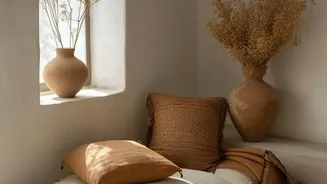
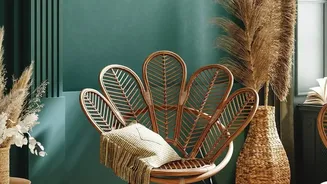
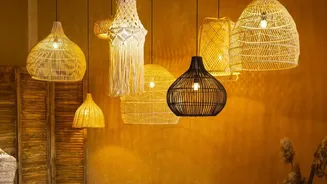
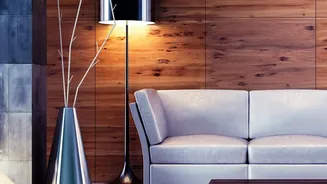
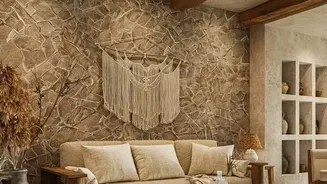
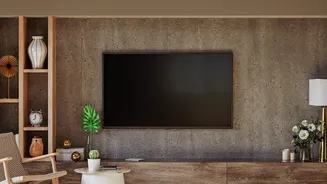
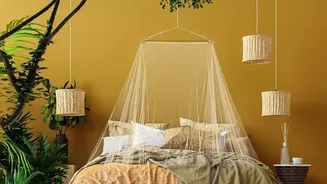
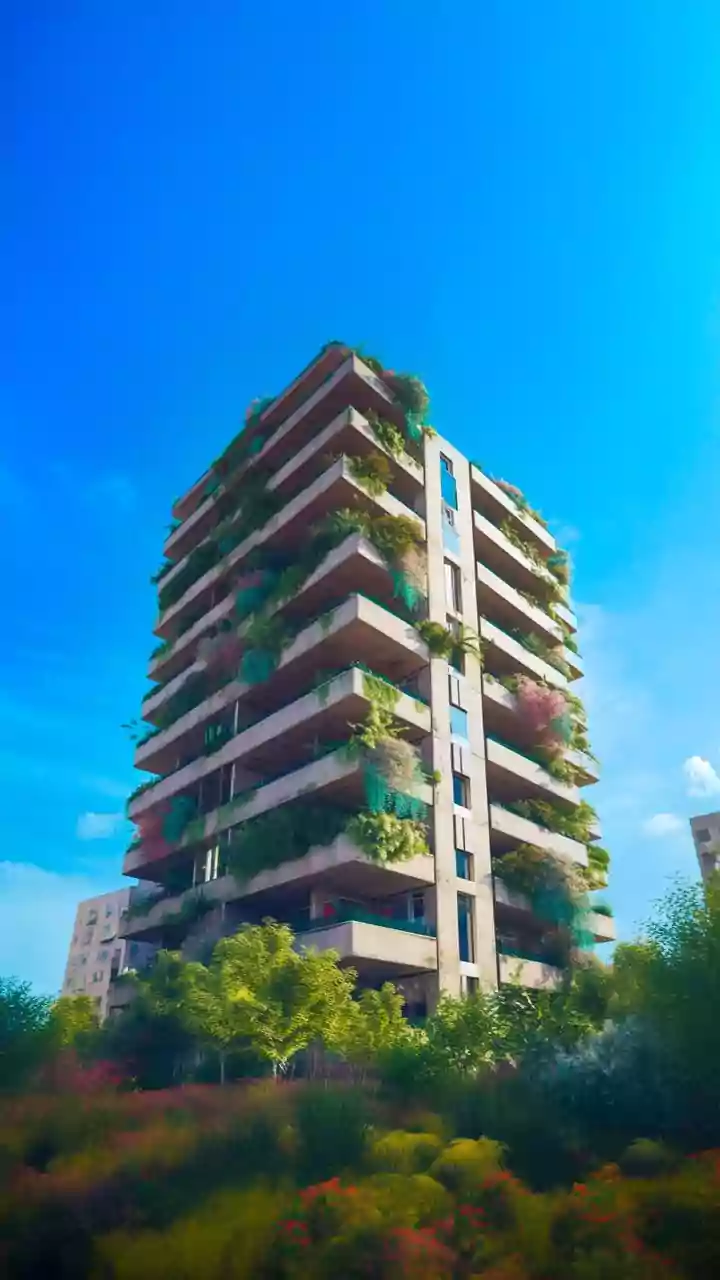
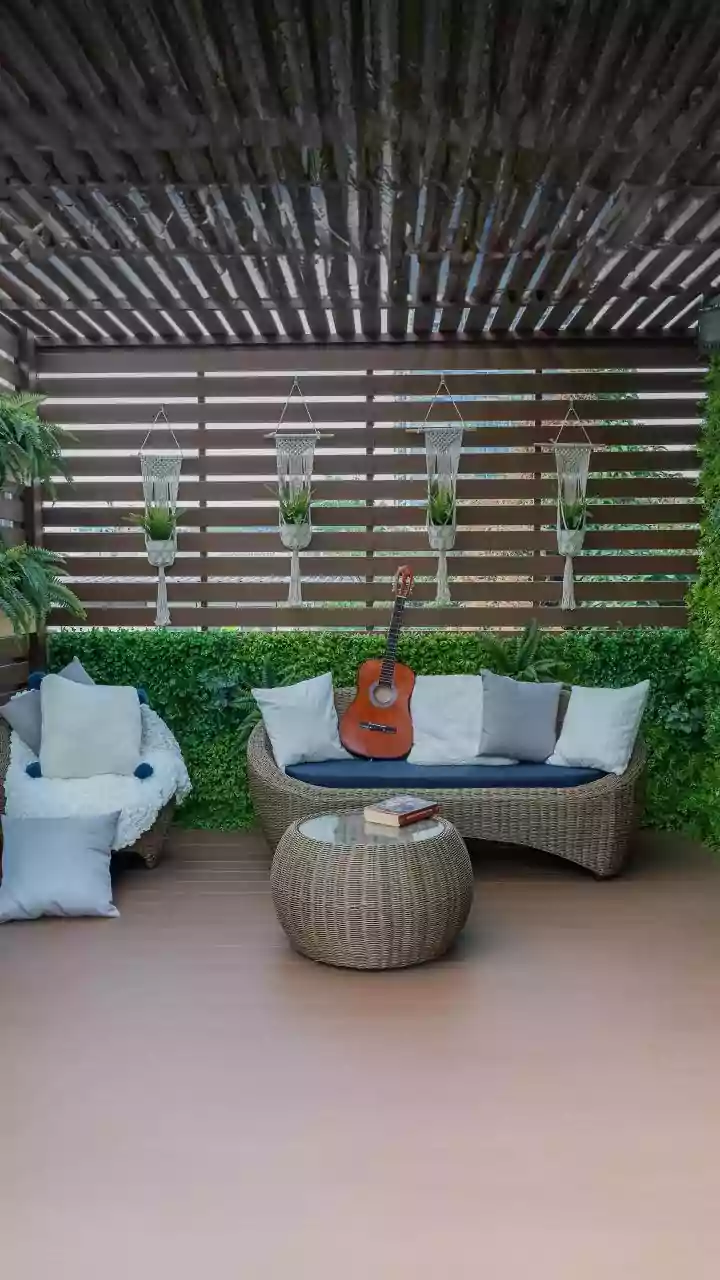
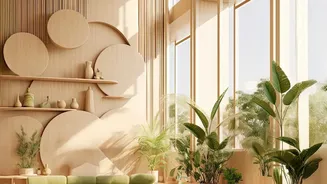
The other major pillar of this new aesthetic is biophilic design—the practice of connecting our indoor environments with nature. This goes far beyond placing a few pots of plants in a corner. It’s a holistic approach that prioritises natural light, fresh air, and, most importantly, natural materials. Homeowners are increasingly choosing materials that are not just beautiful but also sustainable and full of character. Reclaimed wood, fast-growing bamboo, rattan, and jute are being used for everything from furniture to flooring and decor. These materials bring a tactile, sensory richness to a space, inviting you to experience the home not just with your eyes, but with your hands. Traditional Indian materials like terracotta and stone are also seeing a major revival, valued for their earthy textures and ability to keep homes cool.
An Earthy and Grounded Palette
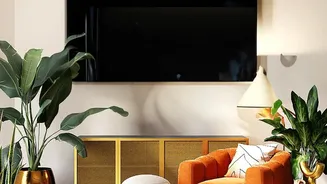
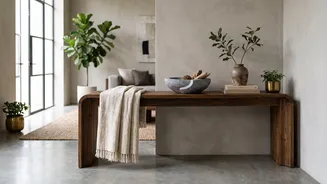
Gone are the days when stark white and cool grey dominated interiors. The colour palette for 2026 is warm, earthy, and directly inspired by the natural world. Shades like terracotta, sage green, sandy beige, and muted browns are taking over walls, upholstery, and accessories. These colours are psychologically grounding and create a sense of stability and calm. They also work exceptionally well with the quality of natural light in India, which tends to be warm and golden, making these earthy tones come alive in a way they might not in other climates. This shift is complemented by the return of warm metals like brass, which is being used in a more restrained, modern way for lighting fixtures, hardware, and decorative accents.
How to Embrace the Trend
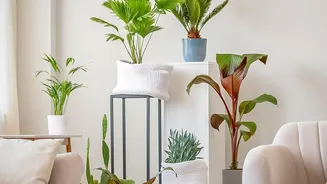
Adopting this style doesn't require a complete home overhaul. You can start small to bring this warm, natural feeling into your space. Begin by introducing curves through smaller decorative items like rounded mirrors, circular rugs, or sculptural vases. Swap out synthetic fabrics for natural ones; think jute rugs, linen cushions, or organic cotton throws. Incorporating plants is one of the easiest ways to start; even a single, well-placed plant on a windowsill can make a difference. When choosing new furniture, consider a piece with soft edges, like an armchair with rounded arms or an ottoman. The goal is to layer textures and forms to create a space that feels personal, serene, and deeply connected to the calming influence of the natural world.