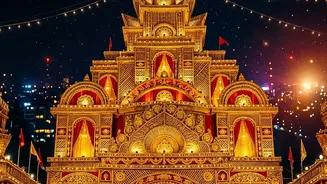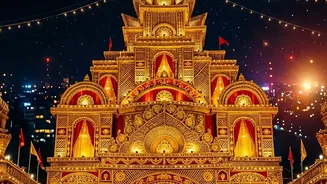





A River of Light on the Saryu
The centerpiece of Deepotsav is the grand illumination at Ram Ki Paidi, a series of ghats on the Saryu River. This year, the celebration for the tenth edition of the festival reportedly surpassed previous records, with a target of lighting over 30 lakh
(3 million) diyas across 56 ghats. Thousands of volunteers, including university students, meticulously arranged the lamps to create a flowing river of light, a tradition that commemorates Lord Ram's return to Ayodhya after 14 years in exile. The sight, which has consistently set Guinness World Records in past years, transforms the riverfront into a divine spectacle, symbolizing the victory of light over darkness. The main lighting event took place on November 7, the day before Diwali.
The Schedule of Celebrations
While the mass lamp lighting is the main event, Deepotsav is a multi-day cultural feast. The 2026 festivities began around November 5, featuring a grand Shobha Yatra (procession) with tableaux depicting scenes from the Ramayana, which traveled from Saket College to Ram Katha Park. Other major attractions included Ramlila performances by international troupes, a spectacular Saryu Maha Aarti featuring over 2,000 participants, and modern technological displays. A fleet of 2,100 drones created a choreographed show illustrating the Ramayana in the night sky, complemented by laser shows, 3D projection mapping, and green fireworks. These events combined ancient rituals with contemporary entertainment, offering a rich experience for all visitors.
Exploring the Illuminated City
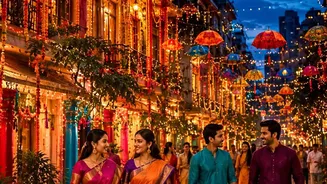
The festive spirit extends far beyond the riverfront. The Shri Ram Janmabhoomi Mandir, the spiritual heart of the city, was magnificently decorated with flowers and countless lights, including over one hundred thousand diyas within the complex itself. Other key temples like Hanuman Garhi and Kanak Bhawan were also beautifully illuminated, drawing large crowds of devotees. Hanuman Garhi, situated on a mound, offered panoramic views of the glowing city below. To make navigating these sites easier, the Uttar Pradesh government launched a new 'Ayodhya Divine Heritage Trail' tour package, guiding visitors through prominent temples and ghats. The entire city, from major landmarks to local homes, participates in the celebration, creating a truly immersive atmosphere.
A Practical Guide for Visitors
Attending Deepotsav requires careful planning due to the immense crowds. Ayodhya is now more accessible, with its own airport, Maharishi Valmiki International Airport (AYJ), and the well-connected Ayodhya Dham Junction railway station. However, during the festival, significant traffic restrictions are put in place, and visitors are advised to rely on e-rickshaws and walking to get around. To witness the main events at Ram Ki Paidi, arriving by mid-afternoon is crucial to secure a decent viewing spot, as access to many areas becomes controlled for security reasons. For a quieter experience, some visitors choose to explore the ghats on the morning after the main event.
Planning Your Stay and What to Expect
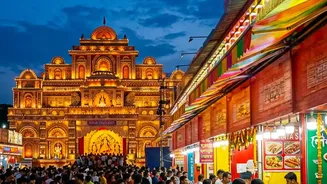
Accommodation during Deepotsav is in extremely high demand, with hotels and dharamshalas often booked out months in advance. For anyone planning to visit for future celebrations, booking as early as possible is the most critical piece of advice. When it comes to food, Ayodhya offers a range of pure vegetarian North Indian cuisine, with local eateries serving festive meals, snacks, and sweets. The bustling markets become a hub of activity, filled with festive goods, religious souvenirs, and handicrafts. Visitors should dress modestly, wear comfortable shoes for walking, and be mindful of their belongings in crowded areas.