






The Journey Over the Destination
Modern life often glorifies efficiency. We want faster phones, quicker meals, and the shortest route from A to B. Air travel is the peak of this mindset; a necessary inconvenience to be endured for the sake of speed. You arrive at the airport hours early,
navigate stressful security checks, sit in a cramped seat, and spend most of your time in a metal tube detached from the world below. The journey is something to be deleted from the experience. Slow travel, particularly by train, is the antithesis of this. It proposes that the journey itself is a vital part of the adventure. Psychology suggests this preference is tied to a desire for control and mindfulness. On a train, you are not just a passenger waiting for arrival; you are an active participant. You can walk around, choose when to eat, read by a large window, or simply watch the country unfold at a comprehensible pace.
A Window to the Real India
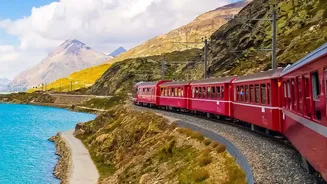
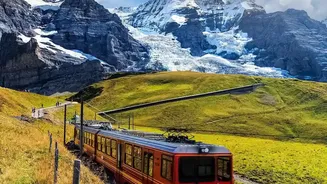
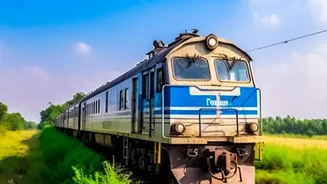
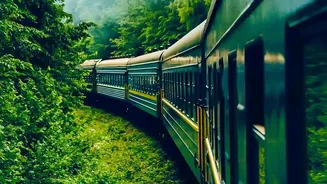
A flight gives you a view of the clouds, but a train window offers a cinematic view of India's soul. The landscape transforms from bustling cityscapes to serene villages, from arid plains to lush green fields. You witness life happening in real-time — farmers in their fields, children waving from a small hamlet, the vibrant chaos of a passing town. It’s an immersive experience that connects you to the geography and rhythm of the country in a way that flying at 30,000 feet never can. Environmental psychologists have found that looking at natural landscapes can reduce stress and mental fatigue, making the visual feast from a train window not just entertaining, but genuinely restorative.
The Economics of Experience
While budget airlines often advertise tantalisingly low base fares, the final cost can be a different story. Add charges for seat selection, check-in baggage, and expensive airport food, and the price quickly climbs. For many routes, especially when booked in advance, train tickets in comfortable AC compartments are significantly more affordable. The financial logic extends beyond the ticket price. Railway stations are typically located in the heart of cities, saving time and money on long, expensive taxi rides to far-flung airports. An overnight train journey also saves you the cost of a hotel room, a practical benefit that budget-conscious travellers appreciate.
The Unexpected Social Fabric
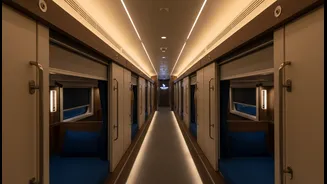
Air travel is an inherently isolating experience. From the moment you put on your headphones, you are in your own bubble. A train compartment, by contrast, is a temporary community. Strangers become neighbours, sharing food, stories, and travel tips. Conversations spark up over a cup of chai from a platform vendor or during a shared meal. These fleeting connections are a unique and often memorable part of the journey, offering a glimpse into the lives of fellow Indians from different walks of life. This social dimension, a hallmark of Indian train travel for generations, adds a layer of richness and humanity that a sterile airport lounge cannot replicate.
A Revolt Against Rush
Ultimately, the choice for slow rail travel is a quiet rebellion against the tyranny of the clock. It’s a conscious decision to trade speed for experience, efficiency for enrichment. It's about acknowledging that the time spent between places is not wasted time, but lived time. While there are certainly drawbacks to train travel—punctuality can be an issue and hygiene varies—many find the trade-offs worthwhile. The unhurried pace allows for reflection, relaxation, and a deeper connection to both the journey and the destination. The gentle rocking of the carriage becomes a lullaby, a welcome respite from a world that is always in a hurry.