





Beyond the Usual Suspects
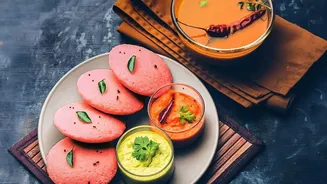
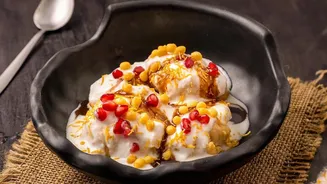
For generations, the Indian dining table has been graced by a colourful array of chutneys. From the fresh, cooling taste of pudina chutney with samosas to the sweet and tangy tamarind chutney drizzled over dahi vada, these accompaniments are central to our culinary
identity. They are a testament to regional diversity, with each state offering its own signature blend. Yet, for all this variety, the mainstream rotation often defaults to a familiar few. Now, a growing movement among chefs, home cooks, and artisanal brands is pushing the boundaries, looking deep into India's agricultural heartland to rediscover ingredients that have been overlooked for decades. This isn't just about creating new flavours; it's about reconnecting with a richer, more diverse food heritage.
The Power of Seeds
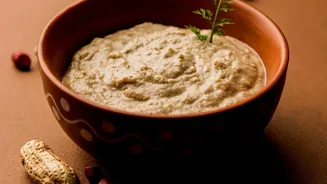
The revival is perhaps most exciting in the use of regional seeds. While sesame and peanut chutneys have long been popular, especially in Maharashtra and South India, the focus is shifting to even more nutrient-dense and texturally interesting options. Think of flaxseed, once a staple in many regions, now making a comeback in dry chutney powders that offer a nutty flavour and a dose of healthy omega-3 fatty acids. Similarly, pumpkin seeds and sunflower seeds are being ground into coarse, flavourful pastes, offering a creamy base that carries spices beautifully. In the Himalayan regions, preparations sometimes feature unique local seeds, adding an earthy depth you won't find anywhere else. This trend celebrates not just taste but also the immense nutritional benefits packed into these tiny powerhouses.
A Pulse-Pounding Reinvention
Pulses, the backbone of Indian protein, are also finding a new role on the condiment tray. While dals like urad and chana have traditionally been used to add texture and flavour, a wider variety of lentils and legumes are now being explored. In Andhra Pradesh, hearty groundnut podis have long been a fixture, but now chefs are experimenting with other legumes to create similarly robust dry chutneys. These podis, or 'gunpowders', are not just flavour enhancers but also a way to add protein to a simple meal of rice and ghee. The use of different pulses introduces a spectrum of earthy, savoury notes and transforms the chutney from a simple dip into a substantial and satisfying part of the meal.
Spicing Things Up, Regionally
This chutney renaissance is also about rediscovering forgotten spices that offer a unique sense of place. While cumin and mustard seeds are foundational, regional cuisines boast a treasure trove of distinctive aromatics. For instance, Radhuni, a spice from Bengal with a scent reminiscent of celery, is finding its way into chutneys, offering a flavour that is both new and deeply traditional. In the South, fiery Kanthari Mulagu, or bird's eye chilli, is being used to create intensely spicy chutneys that are not for the faint of heart. Even Kalpasi, the black stone flower with its smoky, earthy aroma, is being used to impart a mysterious depth to chutneys in Maharashtrian and South Indian kitchens. This exploration is a delicious geography lesson, telling the story of a region through its unique flavours.
From Home Kitchens to Artisanal Brands
This trend is blossoming both in home kitchens, where old family recipes are being revived, and in the commercial space. A new wave of artisanal chutney brands is championing this return to roots, bottling regional specialities and making them accessible to a wider audience. Brands are creating everything from Bengali Aam Kasundi to Chettinad Garlic Coriander chutneys, celebrating hyperlocal flavours. Some are even branding this as a 'chutney revolution', aiming to transform the condiment from a mere side dish into a daily nutritional seasoning packed with the goodness of native superfoods. This movement reflects a broader shift in Indian food culture—a desire for authenticity, an appreciation for local produce, and a celebration of the incredible biodiversity our country has to offer.