





Smart Prep, Not Lazy Cooking
In the world of Indian cuisine, the prep work is often seen as a labour of love. The rhythmic chopping of onions, the patient soaking of legumes—it’s all part of a tradition that builds flavour from the ground up. But in modern life, time is a luxury.
The good news is that embracing efficiency doesn’t mean you have to compromise on taste. The key is to distinguish between a lazy shortcut that dulls a dish and a smart one that streamlines your process. A food processor, for instance, can be a game-changer for preparing a curry base, but it's crucial to know how to use it correctly to avoid altering the intended flavour. Similarly, quick-soaking methods for dals and beans can save you hours, provided you understand how they affect texture. This is about cooking smarter, not harder—adopting techniques that fit your schedule while keeping you in complete control of the final, delicious result.
The Art of the Quick Chop
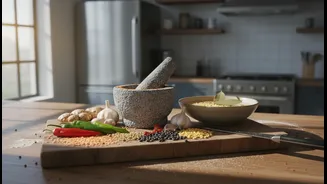
Chopping is the foundation of countless Indian dishes, particularly the onion-tomato base that starts so many curries. While hand-chopping offers precise control, a food processor can drastically cut down your prep time. However, the method matters immensely. When a food processor pulverises an onion, it ruptures more cell walls, which can release bitter-tasting compounds. To counteract this, cook the processed paste on a lower heat for a longer duration to develop sweetness and cook out any harshness. For dishes where you want texture, like a simple sabzi or biryani, stick to hand-chopping. A sharp knife is your best friend here; it gives you clean cuts, ensuring vegetables cook evenly. For aromatics like ginger, a fantastic shortcut is to freeze it whole and unpeeled. You can then grate it directly into the pan, peel and all, for a burst of fresh flavour without the tedious mincing.
Rethinking the Long Soak
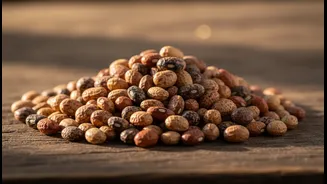
Forgetting to soak rajma or chana overnight is a familiar pain for many home cooks. Traditionally, soaking is non-negotiable for softening legumes, reducing cooking time, and making them easier to digest. But if you're short on time, there are reliable shortcuts. The most popular quick-soak method involves bringing the rinsed legumes to a boil in a pot of water, cooking for 2-3 minutes, then removing from the heat, covering, and letting them stand for an hour. After an hour, you can drain the water and proceed with your recipe as if you had soaked them overnight. Another fast method, especially for dals, is to soak them in warm water, which can cut the required soaking time in half. While these methods are incredibly effective, some purists note a subtle difference in the final texture compared to a long, cold-water soak. The beans might not be quite as creamy, but it's a small trade-off for saving hours of planning.
From Shortcut to Flavourful Finish
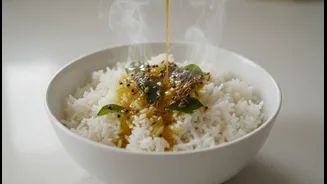
The final, and most important, step is to actively manage the flavours that your shortcuts have influenced. Cooking is all about tasting and adjusting. If your curry base made with processed onions tastes a little flat, don't just add more salt. A splash of acid like lemon juice or a pinch of sugar can help balance the flavours and cut through any lingering sharpness. If you've quick-soaked your beans, they may need a slightly longer cooking time in the pressure cooker to achieve that perfect, melt-in-the-mouth texture. Always taste at every stage. When you add your spices to the oil (the tadka), make sure the oil is properly hot to allow the flavours to bloom and infuse the entire dish. The goal isn't just to follow a recipe, but to understand its components. By tasting and adjusting, you ensure that no matter which preparation path you chose, you are the one guiding the dish to its delicious destination.