








From Pet Owner to 'Pet Parent'
The transformation from simply owning a pet to becoming a 'pet parent' is at the heart of this trend. This isn't just a change in semantics; it's a profound cultural shift. Driven by urbanisation, rising disposable incomes, and changing family structures,
many Indians now see their pets as cherished members of the family, akin to children. This 'pet humanisation' is especially prevalent among millennials and Gen Z, who are often living in nuclear family setups or delaying traditional life milestones. This deep emotional bond is reshaping consumer behaviour entirely. According to one 2024 survey, 57% of Indian owners see their pets as family members, with another 16% viewing them as their own children. This connection drives a desire to provide the very best, fueling demand for high-quality, premium products and services that go far beyond basic needs.
The Anatomy of the Premium Pet Market
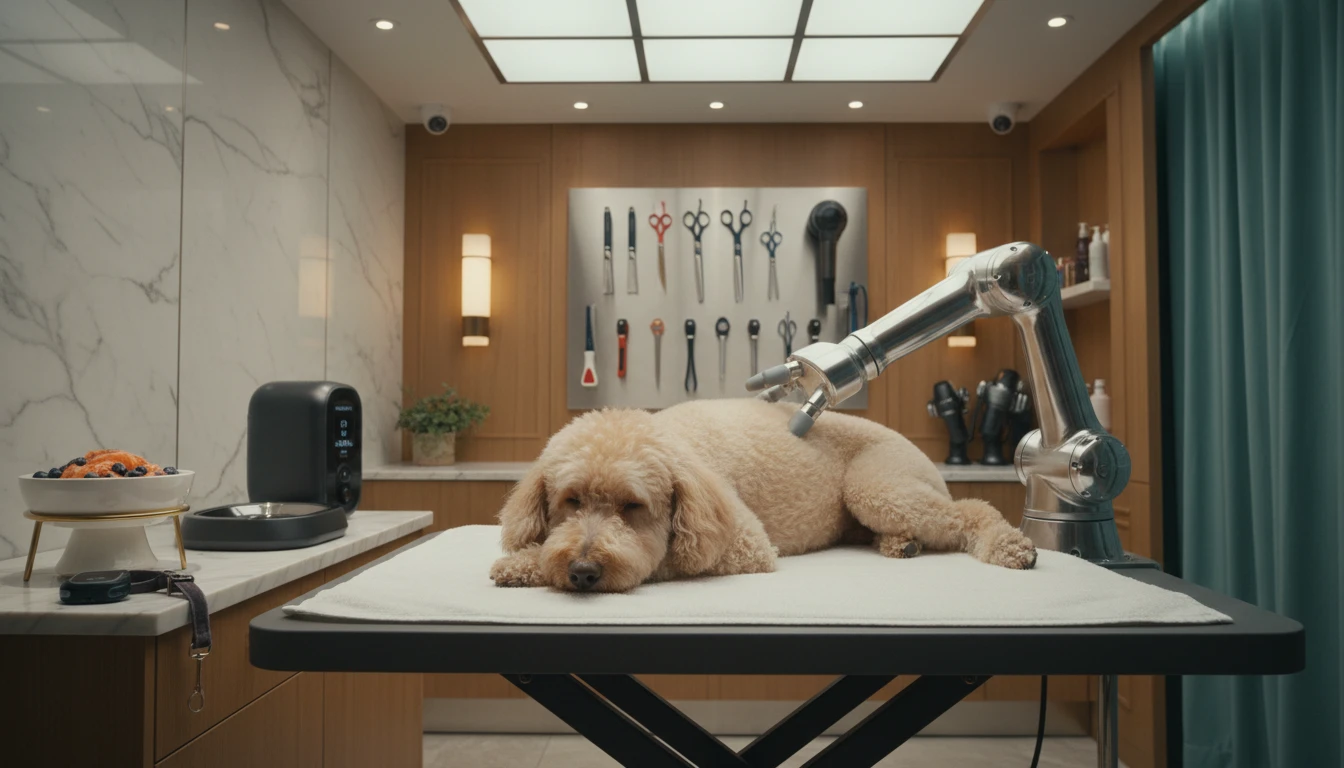
So, what does this premium pet economy look like? It extends far beyond a simple bag of kibble. The Indian pet care market, valued at over ₹30,000 crore in 2024, is projected to grow nearly sevenfold to ₹2.1 lakh crore by 2032. A significant portion of this growth comes from the premium segment. Pet food, which constitutes the largest share of the market, has seen a surge in demand for specialised diets, including grain-free meals, fresh-cooked options, and breed-specific formulas. Beyond nutrition, a booming services sector has emerged. This includes professional grooming salons, dog spas, behavioural training, and pet daycare facilities. Even healthcare is going premium, with a rise in advanced veterinary services, preventive care, and even pet insurance to cover unexpected medical costs. This diversification shows a market catering to owners who spare no expense for their companion's well-being and happiness.
The Real Cost of Companionship
This new standard of pet care comes with a significant price tag, making pet budgeting a crucial part of household financial planning. Monthly expenses for a single pet can realistically range from ₹3,000 to ₹10,000 or more, depending on the city, the pet's size, and the owner's lifestyle choices. Food is often the most predictable and significant monthly cost, ranging from ₹1,500 to over ₹5,000 for standard or premium brands. Add to this the recurring costs of grooming, which can start from ₹500 per session, parasite prevention treatments costing ₹200-₹600 monthly, and routine vet consultations averaging around ₹1,200. Then there are the other expenses: toys, accessories, training sessions that can cost ₹1,000-₹1,500 per session, and boarding facilities that charge anywhere from ₹500 to ₹2,000 per night. For many, the total annual cost can easily run into lakhs, a financial commitment that first-time pet parents often underestimate.
A Booming Business Opportunity
Where there is spending, there is opportunity. The rapid growth of the premium pet economy has not gone unnoticed by businesses. The market is witnessing the rise of numerous startups and direct-to-consumer (D2C) brands like Heads Up For Tails, Supertails, and Wiggles. These companies are disrupting the space with innovative products, from designer apparel to ayurvedic wellness oils, and are leveraging e-commerce for wide distribution. Major corporations are also entering the fray, with companies like Godrej committing hundreds of crores to capture a piece of this lucrative market. This influx of investment is leading to a more organised and sophisticated market, offering Indian pet parents more choice than ever before. The competition is not just about price; it’s about quality, brand trust, and catering to the evolving emotional needs of the modern pet parent.