



What Exactly Are Ultra-Processed Foods?
The term ‘ultra-processed food,’ or UPF, can be confusing. It doesn't refer to all packaged or processed items. The most widely used definition comes from the NOVA classification system, which categorizes foods by their level of industrial processing.
Unprocessed or minimally processed foods are things like fresh fruits, vegetables, dal, and plain rice. Processed foods have been altered to preserve them, like canned vegetables or simple cheeses. Ultra-processed foods are in a different league. They are industrial formulations made mostly from substances extracted from foods, like fats, starches, and sugars, along with a host of additives. These products often contain ingredients you wouldn't find in a home kitchen, such as emulsifiers, artificial flavourings, and preservatives, designed to make them hyper-palatable and long-lasting. Think of it this way: an apple is unprocessed, applesauce with sugar is processed, but a fruit-flavoured gummy snack made with high-fructose corn syrup and chemical additives is ultra-processed.
What the Latest Science Says
Recent large-scale studies have sharpened our understanding of the risks associated with diets high in UPFs. Research presented in 2025 and 2026 has consistently linked high consumption of these foods to a range of negative health outcomes. A systematic review involving over 8 million people found that for every additional 100 grams of UPFs consumed per day, the risk of hypertension rose by 14.5%, and the risk for other cardiovascular events increased by nearly 6%. Other major studies link high UPF intake to obesity, type 2 diabetes, and certain cancers. Scientists are exploring several reasons for this. UPFs are often high in calories, unhealthy fats, salt, and sugar, while being low in fibre and essential nutrients. Furthermore, emerging research suggests that additives common in these foods may disrupt the gut microbiome, which can affect everything from inflammation to mental health. These products are also engineered to be incredibly easy to overeat, bypassing our body's natural fullness signals.
The Rise of UPFs in India
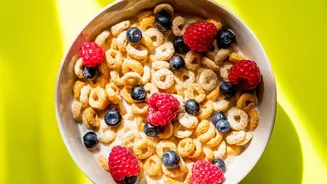
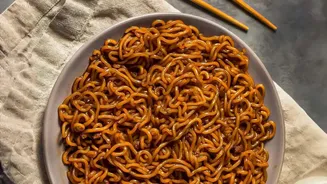
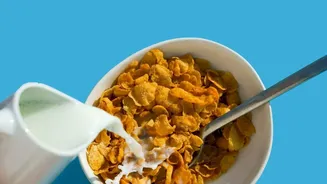
This global health concern is particularly relevant for India, where traditional diets are rapidly being replaced by convenient, packaged alternatives. The Indian market for UPFs grew at a compound annual rate of over 13% between 2011 and 2021. It's a mistake to think UPFs are only Western fast foods like burgers and pizzas. In an Indian context, the list includes many familiar items: instant noodles, packaged sweet biscuits, savoury 'namkeen' mixtures, chips, sugary soft drinks, and ready-to-eat meals. Even products marketed as 'healthy,' such as some breakfast cereals, flavoured yoghurts, and ready-to-cook mixes like instant poha or idli mix, can qualify as ultra-processed due to their ingredients and manufacturing methods. Biscuits, in particular, are one of the most widely consumed UPFs across the country.
How to Spot an Ultra-Processed Food
Learning to identify UPFs is the first step toward making more conscious choices. The key is to look past the marketing claims on the front of the package and read the ingredients list. A long list of ingredients is often the first red flag. Look for substances you don't recognise or wouldn't use in your own cooking. Common culprits include high-fructose corn syrup, hydrogenated oils, protein isolates (like soy or whey), and chemical-sounding additives like emulsifiers, thickeners, and flavour enhancers. If the ingredients list reads more like a chemistry experiment than a recipe, it’s likely an ultra-processed food. The goal is not to fear all processing; minimally processed foods like frozen vegetables or pasteurised milk are perfectly fine. The concern is with industrial formulations that barely resemble their original ingredients.
Finding a Practical Balance
For most people, completely eliminating UPFs is unrealistic. The aim should be awareness and reduction, not perfection and guilt. Start by making small, manageable swaps. Can you replace a packaged, sugary breakfast cereal with homemade daliya or poha? Instead of reaching for a packet of biscuits, could you have a piece of fruit or a handful of nuts? Cooking at home more often is one of the most effective ways to control what goes into your food. When you do buy packaged goods, compare labels. Choose the product with the shortest, most recognizable ingredient list. It’s about shifting the balance of your diet back toward whole and minimally processed foods—the kinds of foods that have nourished generations of Indians before the rise of hyper-convenient, factory-made products.