

Why Go Vertical?
In many modern homes and apartments, floor space is a precious commodity. Vertical gardening allows you to maximise your green footprint without sacrificing room for furniture and movement. By drawing the eye upward, you create a sense of height and drama,
making rooms feel more dynamic and open. Beyond the aesthetics, having plants at different levels creates a layered, immersive environment. It improves air quality, can reduce stress, and brings the calming benefits of nature indoors in a smart, efficient way. It's a design strategy that is both beautiful and beneficial, turning unused wall space into a focal point of natural beauty.
Embrace Elegant Hanging Planters
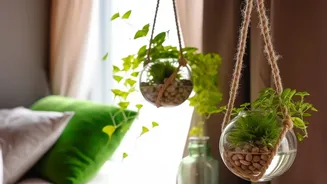
The simplest way to start is with hanging planters. They are incredibly versatile and can be suspended from ceiling hooks, curtain rods, or wall brackets to add a touch of whimsy. This method is perfect for trailing plants whose leaves can cascade down, creating a graceful, flowing effect. Think of varieties like Pothos, String of Pearls, or trailing Philodendrons. Grouping several hanging planters at different heights in a corner or near a window can create a stunning visual impact and a cosy, jungle-like vibe. They are also a great solution for keeping delicate plants out of reach of pets and small children.
Utilise Wall Shelves and Ledges
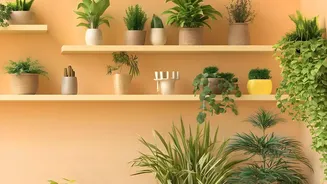
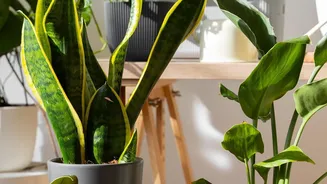
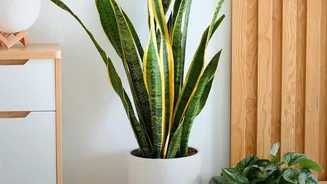
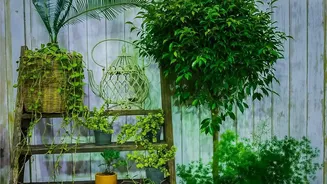
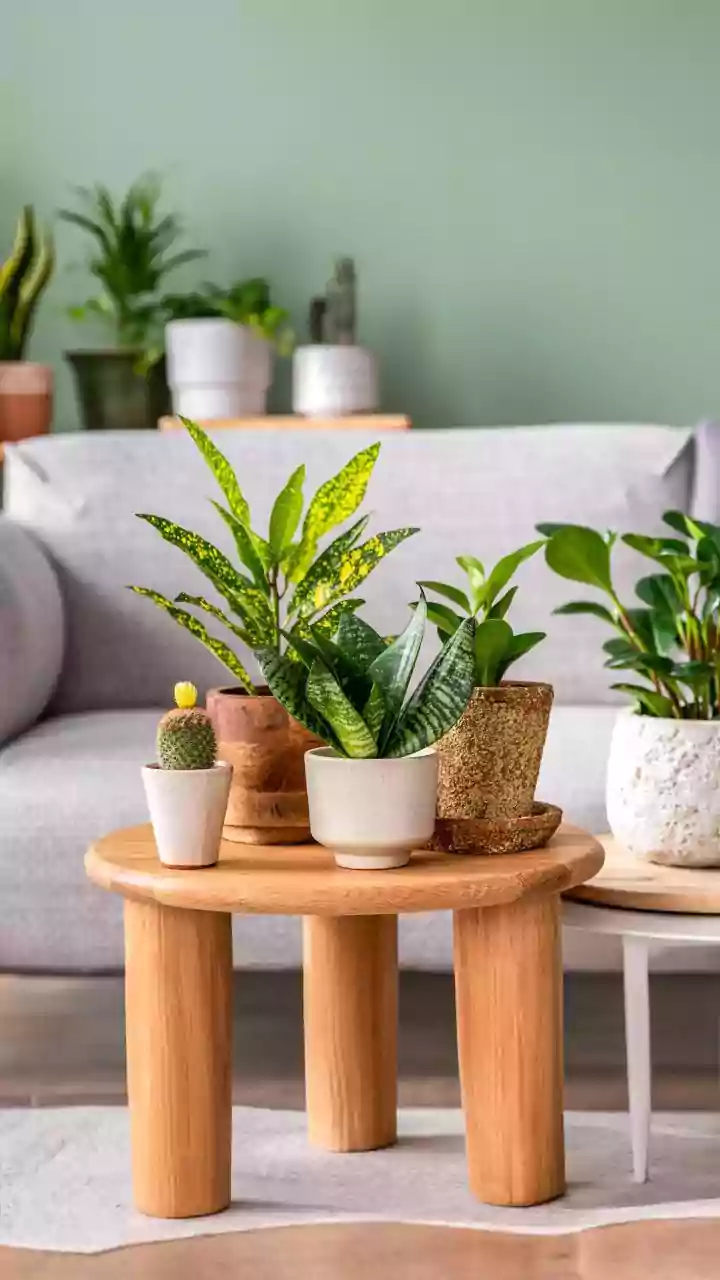
Wall-mounted shelves, whether they are floating ledges or multi-tiered units, offer a structured way to display a collection of plants. This approach lets you mix and match different pot sizes, shapes, and colours, alongside other decorative items like books or photos, for a personalised look. A ladder shelf is another popular and stylish option, providing several tiers of display space while maintaining a small footprint, making it ideal for corners or narrow walls. Arrange trailing plants on the top shelves to spill over, with more upright plants like Snake Plants or ZZ Plants on the lower levels for variety and balance.
Create a Statement Living Wall
For a truly dramatic effect, nothing beats a living wall. Often called a vertical garden, this involves covering a section of a wall with plants, creating a lush, green tapestry. While you can opt for sophisticated, self-watering panel systems, a simpler DIY approach can be just as effective. You can attach a grid or trellis to the wall and hang individual pots, or even use a repurposed shoe organiser. This method is perfect for growing a variety of smaller plants, like succulents, ferns, or even a kitchen herb garden with plants in mason jars. A living wall not only becomes an instant work of art but also acts as a natural air purifier and can even help with noise reduction.
Choosing the Right Plants
Success with vertical decorating depends on selecting the right plants for the conditions. Trailing plants are a natural choice for any elevated display. Pothos and Heartleaf Philodendrons are famously resilient and will create beautiful cascading foliage. Ferns, such as the Sword Fern or Rabbit's Foot Fern, love humidity and indirect light, making them great for vertical displays in bathrooms. For shelves, consider architectural plants like smaller varieties of Snake Plants or upright Palms to add height variation. Always consider the light in your chosen spot and the watering needs of each plant; top-level plants may dry out faster than those at the bottom.