






What Are the 'Snack Bills'?
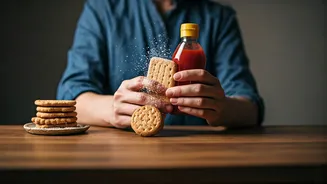
The term “Snack Bills” doesn’t refer to a single piece of legislation in Parliament, but rather a collection of significant regulatory proposals spearheaded by the Food Safety and Standards Authority of India (FSSAI). The centerpiece of this push is the draft
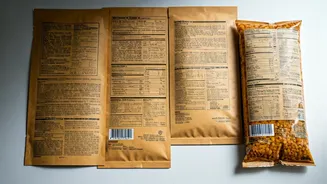
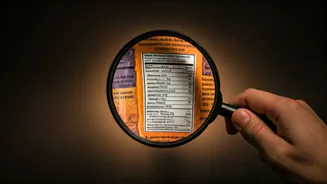
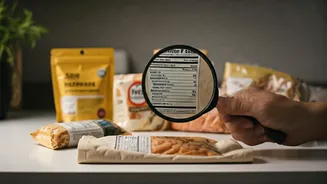
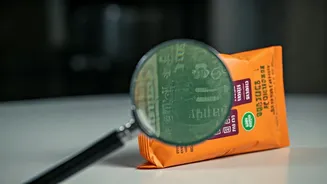
regulation for Front-of-Pack Labelling (FOPL). For years, detailed nutritional information has been tucked away on the back of packages in small print. The FOPL proposal aims to bring the most critical information—namely, levels of fat, sugar, and salt—to the forefront in an easy-to-understand format. The leading model under consideration is the Health Star Rating (HSR) system, which would assign products a rating from half a star to five stars. This move is driven by a desire to help consumers make healthier choices at a glance, responding to India’s growing public health challenges.
The Great Labelling Debate
The Health Star Rating proposal has ignited a fierce debate. Public health advocates and consumer groups argue it is a crucial step to combat rising rates of obesity, diabetes, and other non-communicable diseases. They believe a simple, visual cue like a star rating can empower consumers who don’t have the time or expertise to decipher complex nutritional tables. However, some health experts are critical of the HSR model itself, favouring starker warning labels—like those used in Chile—which explicitly state when a product is 'High in Sugar' or 'High in Salt'. They argue star ratings can be misleading, as positive ingredients can sometimes offset negative ones, resulting in an undeservedly high rating. Early in 2026, the Supreme Court directed the FSSAI to finalize its labelling framework, adding urgency to the long-standing debate.
Industry Pushback and Traditional Foods
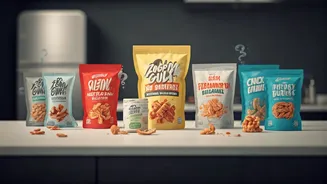
The snack food industry has mounted strong opposition to the proposed changes. The Federation of Sweets & Namkeen Manufacturers, which includes giants like Haldiram's and Balaji Wafers, has warned that the HSR system could be devastating for their business. They argue that the very nature of traditional Indian snacks—many of which are inherently rich in salt, sugar, or fat—means they would automatically receive low star ratings. This, they claim, would unfairly brand beloved ethnic foods like chikki, ladoos, and various namkeens as 'unhealthy', potentially crippling a massive domestic industry. Industry leaders contend that the focus should be on advising consumers about portion control and balanced diets, rather than placing what they see as punitive warnings on the packs themselves.
Beyond Labels: Taxes and Ad Bans
The conversation extends well beyond just labels. The Economic Survey of 2025-26 threw its weight behind more aggressive measures. It recommended moving ultra-processed foods (UPFs) into the highest GST slab and even adding a surcharge on products that exceed certain thresholds for fat, sugar, and salt. The survey also flagged the powerful influence of marketing, proposing a near-total ban on junk food advertising from 6 a.m. to 11 p.m. across all media. These recommendations signal a growing consensus in policy circles that changing consumer behaviour requires systemic changes to the food environment, not just better information. While these are currently proposals and not law, they indicate the direction of future regulatory action.
What Happens Next?
While the FOPL regulations are still in a drafting and consultation phase, the pressure to act is immense. The FSSAI is also cracking down on misleading marketing claims, having recently issued notices to several companies for using terms like 'healthy' and '100% Atta' without clear justification. This broader push for transparency is already underway. The final shape of the Front-of-Pack Labelling rules, the potential for new taxes, and advertising restrictions are all on the table. The decisions made in the coming months will determine what the snack aisle looks like for years to come, affecting not only large corporations but also small-scale manufacturers and, ultimately, every Indian consumer.