



Understanding September's Weather Quirks
September is a month of transition. The vigorous south-west monsoon, which drenches most of India from June to August, begins its gradual withdrawal. This process typically starts from the northwestern parts of the country around the middle of the month.
However, this retreat isn't a neat, uniform event. Some regions see a rapid shift to dry, sunny weather, while others, particularly in the east and northeast, might still experience significant rainfall early in the month. This variability makes it a classic 'shoulder season' — a period between the peak monsoon and peak tourist seasons, offering a sweet spot of fewer crowds, lower prices, and lush, post-rain landscapes for those who plan wisely.
Strategy 1: Head for the Rain Shadow
One of the most effective ways to guarantee a dry trip is to visit a rain-shadow region. These are areas that are geographically sheltered by mountain ranges, which block rain-bearing winds. In India, the most famous examples are Ladakh and the Spiti Valley in Himachal Pradesh. Sheltered by the Himalayas, these high-altitude deserts receive minimal rainfall during the monsoon months, making September an ideal time to visit. By this time, the summer crowds have thinned, the skies are often exceptionally clear, and the stark, beautiful landscapes are at their most accessible before the extreme cold of winter sets in.
Strategy 2: Follow the Monsoon's Retreat
A second approach is to travel to regions where the monsoon has typically withdrawn by September. Rajasthan is a prime example. The desert state sees very little of the monsoon to begin with, and by September, the weather is usually dry and becoming more pleasant after the summer heat. This makes it an excellent month to explore the forts of Jaipur, the lakes of Udaipur, or the golden city of Jaisalmer without the scorching temperatures of summer or the peak-season crowds of winter. Weather models for 2026 even suggest an earlier-than-usual withdrawal of the monsoon, potentially making more of the country drier as September progresses.
Strategy 3: Embrace the Greenery (With a Plan)
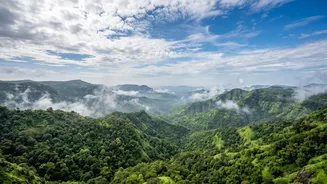
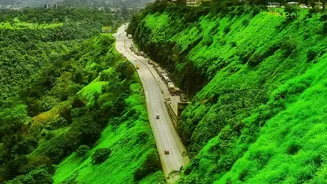
If you love the lush, vibrant landscapes that the monsoon leaves behind, you don't have to avoid rain entirely. Instead, choose destinations where the rain is tapering off but the scenery is still at its peak. Parts of the Western Ghats, such as Lonavala or Mahabaleshwar, can still be misty and green, offering a different kind of beauty. In the south, Kerala's backwaters and hill stations are spectacularly verdant after months of rain, and showers tend to be less frequent by late September. The key here is flexibility. Plan for a mix of indoor activities like museum visits or cooking classes and be prepared for potential travel disruptions.
Essential Packing for Uncertain Weather
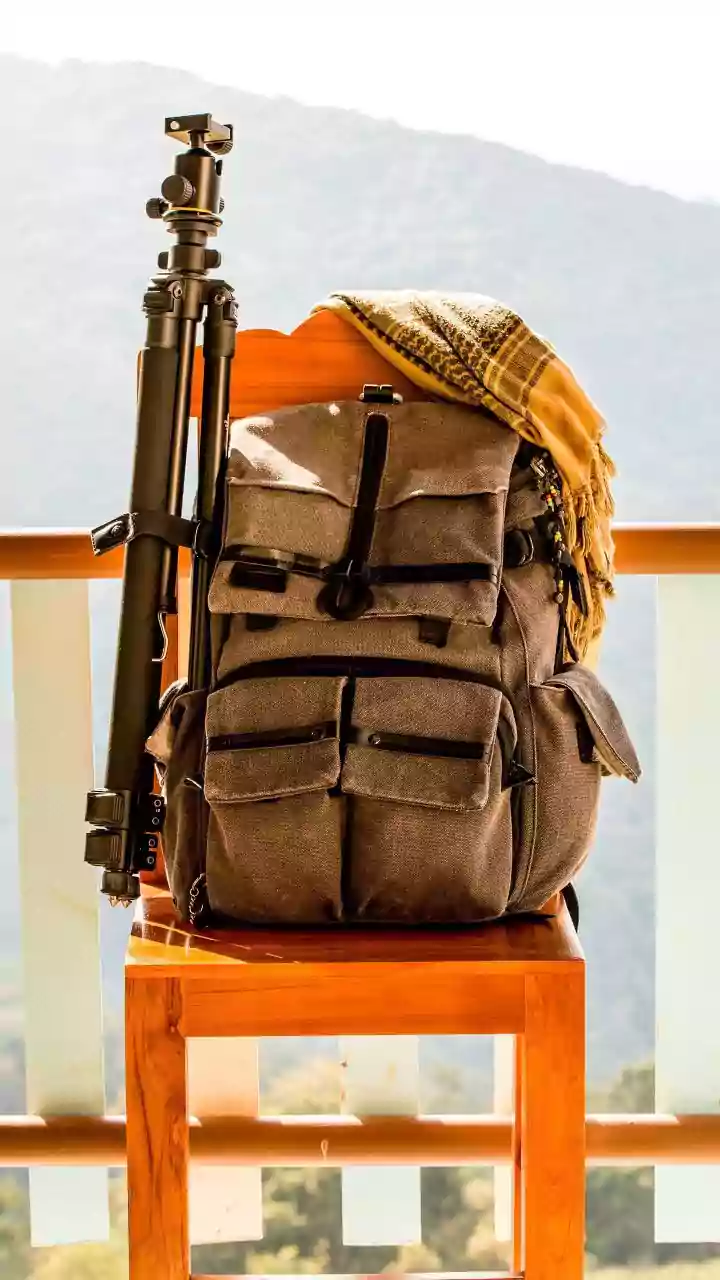
No matter where you go in September, packing smart is crucial. Instead of heavy fabrics like denim, opt for lightweight, quick-drying clothes that can be easily layered. A reliable waterproof jacket or poncho is a must-have, as are waterproof bags or covers to protect your electronics and other valuables. Footwear is especially important; choose waterproof boots with good grip for trekking or open-style sandals for city exploration, as they will dry faster than closed shoes. Also, don't forget insect repellent, as mosquitoes can be more prevalent after the rains.