


More Than Garba and Ghee
For generations, Navratri has been defined by its core tenets: fasting to honour the nine forms of Goddess Durga, participating in energetic garba and dandiya nights, and performing pujas. While these traditions remain the soul of the festival, their
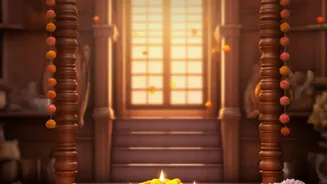
expression is expanding. The celebration is no longer confined to the puja room or the dandiya grounds; it is blossoming into a holistic aesthetic experience that permeates the entire home. From the moment one steps through a decorated doorway to the artfully arranged fasting thali on the table, the festive spirit is being curated as a visual and sensory journey. It represents a shift from observing a festival to truly living it, with every corner of the home reflecting the joy and sanctity of the occasion.
The Curated Festive Home
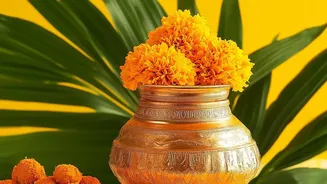
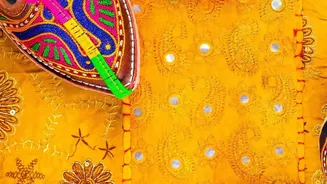
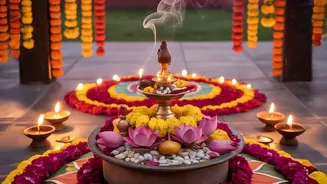
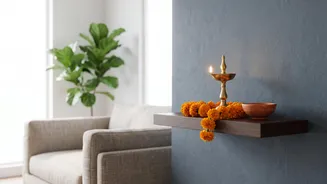
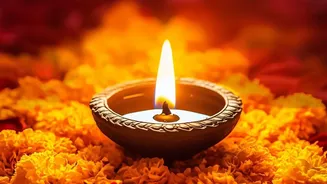
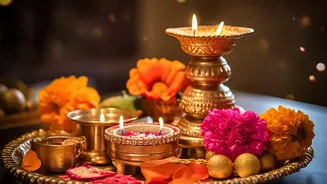
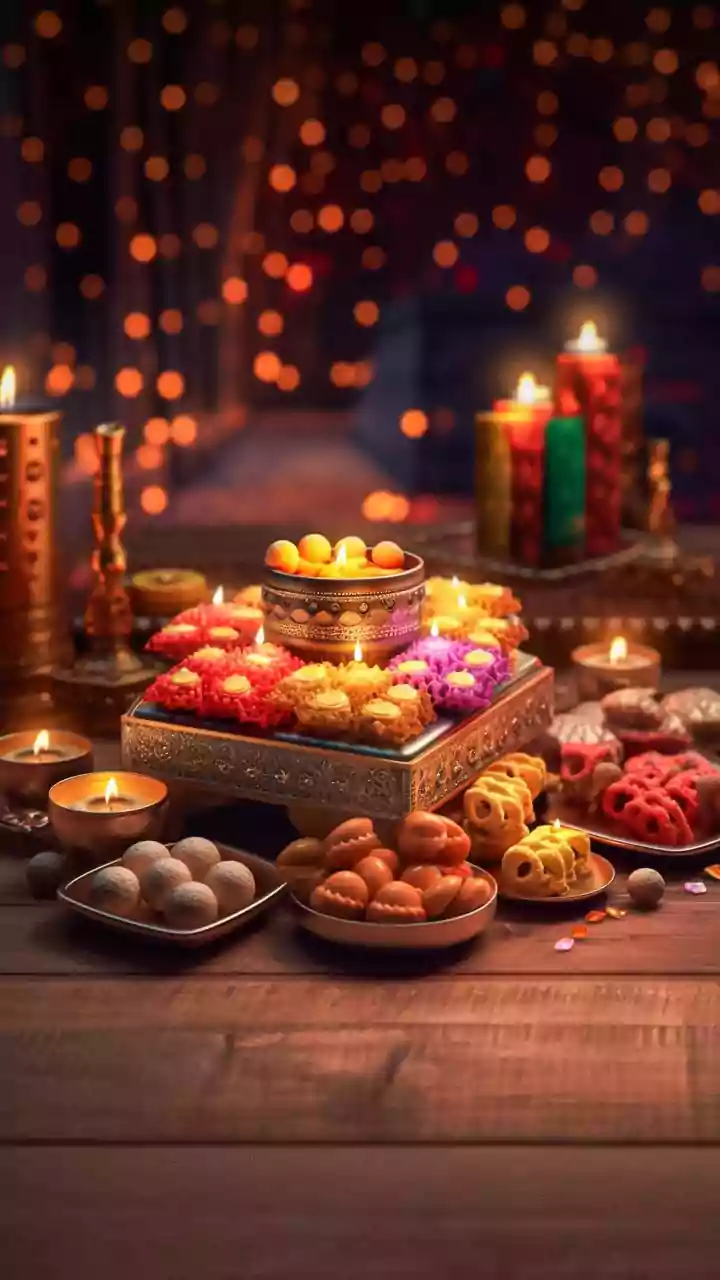
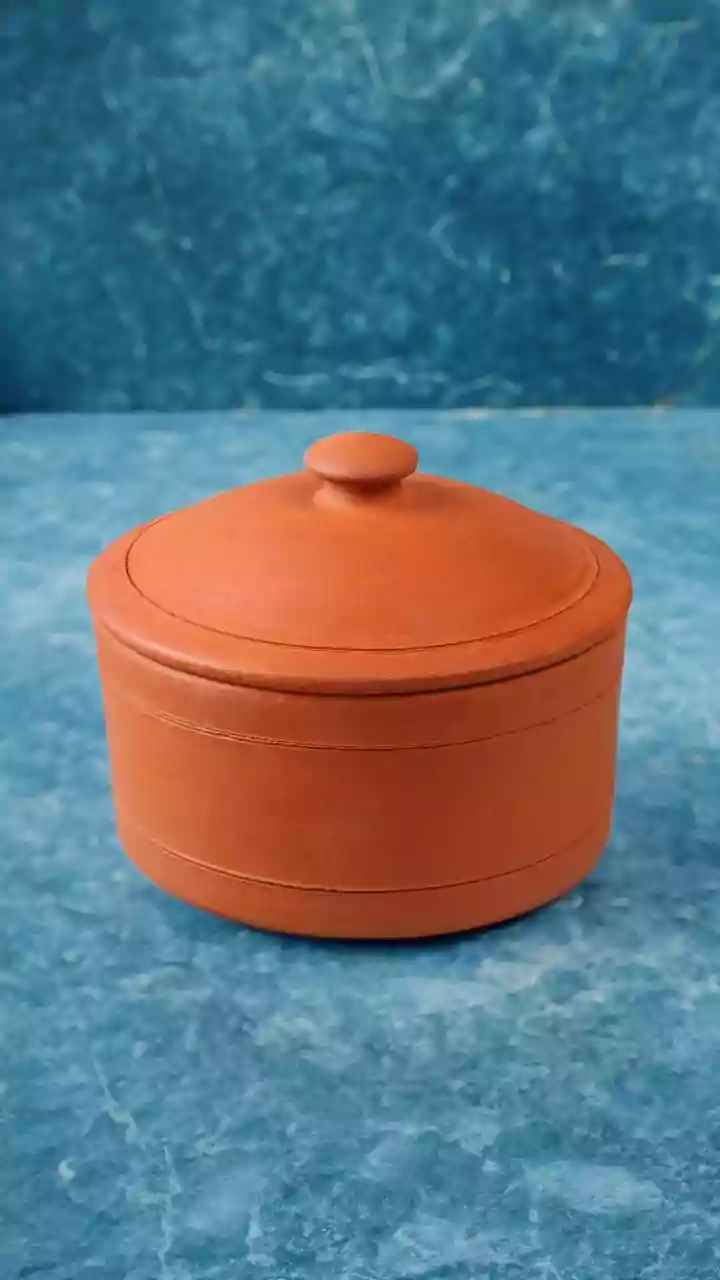
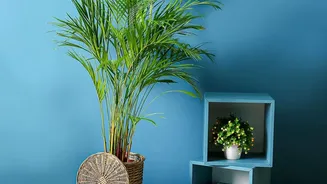
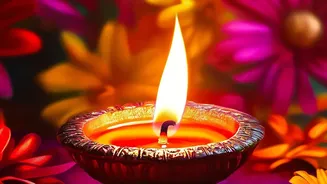
The simple act of cleaning the house pre-festival has evolved into a thoughtful exercise in interior decoration. Many now embrace the tradition of assigning a specific colour to each of the nine days, allowing it to guide their decor choices. A day marked for yellow might see the home adorned with marigold garlands and bright torans, while a day for red could inspire the use of rich fabrics and rose petals. This trend goes beyond just colour. Homeowners are creating dedicated photo booths with traditional textiles like bandhani or leheriya dupattas as backdrops. There is also a growing interest in eco-friendly decor, with celebrants opting for clay diyas, jute wall hangings, and handmade decorations. The goal is to craft a space that feels both personally expressive and deeply connected to the festival's vibrant energy.
A Feast for the Eyes and Palate
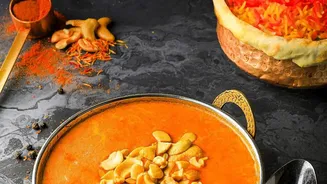
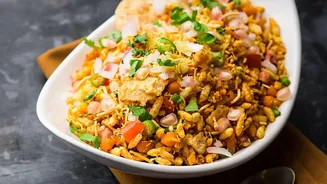
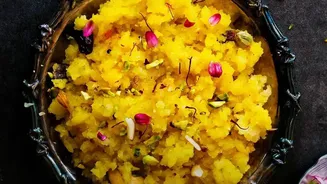
Festive food, especially for those who fast, has also undergone a creative revolution. While classic vrat ingredients like sabudana (sago), kuttu ka atta (buckwheat flour), and rock salt remain staples, the presentation and variety have been elevated. The humble sabudana khichdi now shares the table with innovative dishes like sabudana chutney bombs and crispy fingers. Traditional potato curries are supplemented with creative options like vrat-friendly paneer rolls and kebabs made from raw banana. The concept of the 'Navratri thali' has gained popularity, offering a complete, visually appealing meal that feels like a feast rather than a restriction. This culinary creativity ensures that the food served during Navratri is not just for sustenance but is also a shareable, beautiful element of the celebration.
The Social Media Influence
A significant driver behind this aesthetic shift is the influence of social media. Platforms like Instagram and Pinterest have become virtual stages where people share their festive preparations. A beautifully decorated puja corner, an intricate rangoli, or a colourful platter of food is no longer just for the family to appreciate; it’s content to be shared with a wider online community. This creates a feedback loop: seeing inspirational posts encourages others to elevate their own celebrations, which in turn fuels the market for festive decor, unique food ingredients, and DIY craft supplies. While some may argue this shifts the focus from devotion to display, many see it as a new way of sharing cultural joy and connecting with loved ones, especially those who live far away.
Modern Expression of an Ancient Faith
Ultimately, this trend is not about replacing tradition but about personalising it. By turning their homes into festive havens and their meals into works of art, people are finding new avenues for creative and spiritual expression. It reflects a desire to connect with cultural roots in a way that feels authentic to modern life. The blending of traditional motifs with contemporary design, and classic recipes with innovative twists, shows an evolution of the festival. It keeps traditions alive and relevant for younger generations, ensuring that the spirit of Navratri is not just observed for nine nights, but is felt in every aspect of daily life during this auspicious time.