




How It Works: From Prompt to Presentation
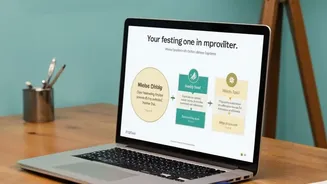
At their core, AI presentation makers are designed to eliminate the manual, time-consuming parts of creating a slide deck. Instead of starting with a blank canvas, you provide the AI with a starting point. This can be a simple prompt like “Create a presentation on the benefits
of content marketing,” a detailed outline from a Word document, or even just a link to a relevant webpage. The AI then analyzes this input, structures a logical narrative, generates text for each slide, selects appropriate layouts, and even finds or creates relevant images. The entire process, which once took hours of copying, pasting, and formatting, can now be completed in under a minute, delivering a complete first draft ready for review.
The Key Players Shaping the Future of Slides
The market for AI presentation tools is growing rapidly, with several platforms offering distinct approaches. Tools like Gamma and Tome are popular for creating visually compelling, web-native presentations that feel more like interactive stories. Gamma is often praised for its speed and flexibility, while Tome was known for its narrative-first approach to storytelling before it was discontinued. Other tools, such as Beautiful.ai, focus on enforcing brand consistency through smart templates that automatically adapt to your content, ensuring a professional look without manual adjustments. Meanwhile, extensions like SlidesAI and Plus AI integrate directly into Google Slides and PowerPoint, allowing users to generate and refine presentations within the software they already use. Microsoft has also integrated its own AI, Copilot, directly into PowerPoint to generate outlines, content, and visuals from prompts.
The Upside: A Revolution in Speed and Style
The most significant advantage of using AI is the immense time savings. Tasks that used to consume half a day can be reduced to a few minutes, freeing up professionals and academics to focus on the substance of their message rather than the aesthetics of their slides. These tools also bring a level of design sophistication that was previously out of reach for non-designers, offering consistent branding, modern layouts, and high-quality visuals. This can lead to more engaging and professional presentations, moving beyond generic templates and clichéd stock imagery to create something more impactful. For teams, this means greater efficiency and brand alignment across all presentations.
The Catch: Where Human Input Remains Crucial
Despite their power, these AI tools are not a complete replacement for human thought and creativity. A major drawback is that over-reliance on AI can hinder the development of one's own research and creative skills. The content generated, while often coherent, can sometimes be generic, lack emotional nuance, or miss the specific cultural context of the audience. There's a risk of the AI misinterpreting the intent behind an outline, leading to a narrative that doesn't quite hit the mark. The output is a starting point, not a finished product. Without careful review and personalization, presentations can feel impersonal and lack the unique voice of the presenter. The human element is still essential for fact-checking, refining the argument, and ensuring the story truly connects with its intended audience.
Best Practices for a Human-AI Partnership
To get the most out of AI presentation tools, it's best to treat them as a creative co-pilot rather than an autopilot. Start by giving the AI a clear, purposeful prompt that defines your topic, audience, and desired tone. Once the AI generates the initial draft, the real work begins. Review the structure and flow critically. Is this the most compelling way to tell the story? Edit the generated text to add your own insights, voice, and specific examples. Always verify any facts or data the AI includes. The most effective workflow involves using the AI to handle the heavy lifting of initial creation and formatting, while you dedicate your saved time to refining the message and ensuring the final deck is accurate, persuasive, and uniquely yours.