


From Stigma to Style Statement
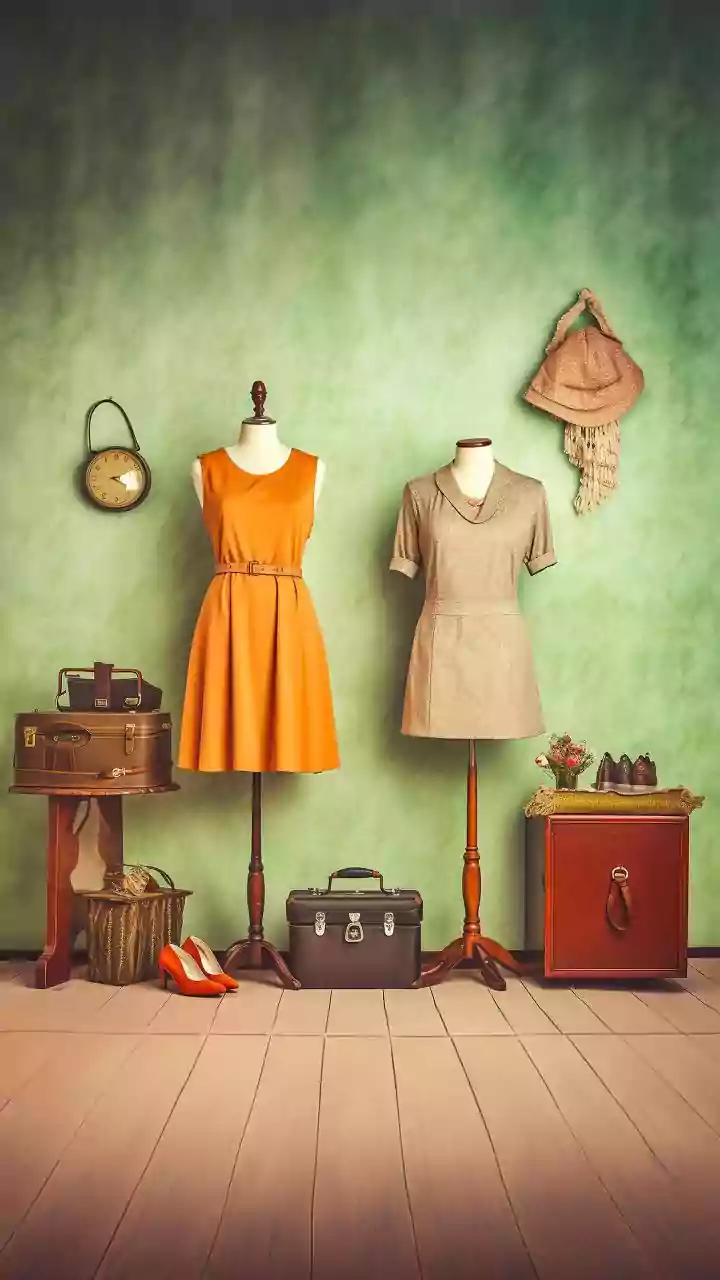
Not long ago, buying second-hand clothing in India was often associated with necessity, not choice. However, for a growing number of young people, especially Gen Z and millennials, thrifting is now a badge of honor. This generation is consciously rejecting
the wasteful cycle of fast fashion, where mass-produced garments end up in landfills after only a few wears. What was once a marker of financial constraint has transformed into a symbol of environmental responsibility and a sophisticated fashion sensibility. This cultural shift signifies more than just a change in shopping habits; it reflects a deeper change in values, where individuality and conscious consumption are prized above all.
The Instagram Thrift Store Boom
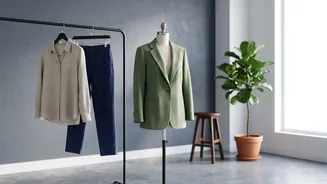
Social media, particularly Instagram, has been the primary engine of this movement. Thousands of online thrift stores, often run by young entrepreneurs from their own homes, have created a bustling digital marketplace. These stores offer curated collections of unique, pre-loved garments, presented through visually appealing posts and stories. The phenomenon of timed "drops," where a new collection is released at a specific time, creates a sense of excitement and urgency, turning shopping into a thrilling online event. This digital-first approach has made thrifting accessible, trendy, and community-driven, removing the need to sift through disorganized piles at physical markets and delivering curated style directly to a follower's feed.
More Than Just a Bargain
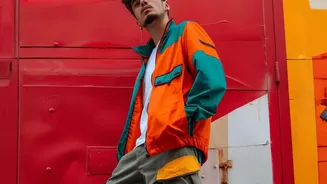
While affordability is certainly a key driver, the modern thrifting movement is fueled by a powerful combination of factors. Sustainability is a major motivator. Young consumers are increasingly aware of the fashion industry's huge environmental footprint, from excessive water usage to textile waste, and see thrifting as a practical way to reduce their impact. It's a form of guilt-free shopping that extends the life of a garment and reduces demand for new production. Simultaneously, thrifting is a powerful tool for self-expression. In a world of uniform fast-fashion trends, second-hand shopping offers a treasure hunt for one-of-a-kind pieces, allowing individuals to cultivate a unique personal style that can't be found in a mall.
Circular Fashion's Broader Meaning
Thrifting is a key component of a larger concept: the circular economy. Circular fashion aims to create a system where clothing is designed to last, be reused, repaired, and eventually recycled into new fibres, minimizing waste at every stage. This concept is gaining significant traction in India, which has a long, informal history of resourcefulness, such as upcycling old sarees and passing down heirlooms. Today, this traditional wisdom is being combined with modern innovation. The movement encourages not just buying second-hand but also upcycling—transforming old garments into new, creative pieces—further challenging the 'make, wear, discard' model. This holistic view redefines a garment's lifecycle from a short-lived trend to a durable and valued item.
Challenges and the Road Ahead
Despite its rapid growth, the thrift market faces challenges. For independent online sellers, maintaining a consistent supply of quality inventory can be difficult, and issues like sizing inconsistencies and logistical hurdles persist. Building trust with customers regarding authenticity and quality is also a major focus for sellers. However, the momentum is undeniable. The Indian second-hand market is projected to see significant growth, reflecting a permanent shift in consumer behavior. Major e-commerce players are also beginning to explore the resale market, signaling its move from a niche trend to a mainstream force.