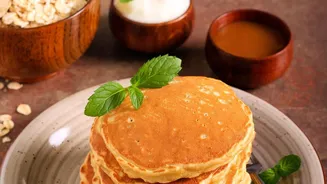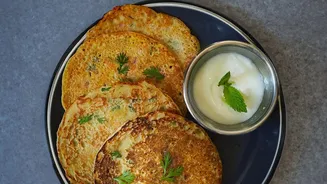

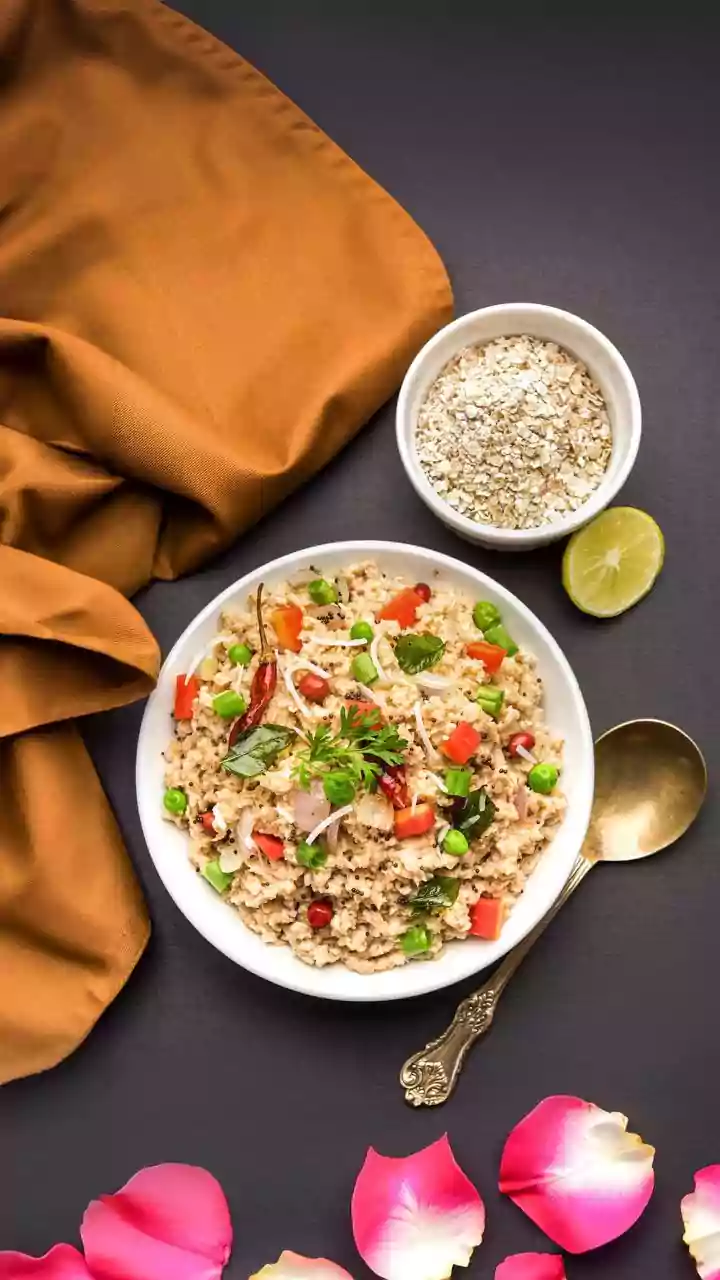


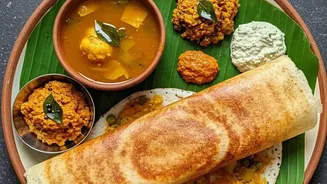
Looking for a breakfast that is both hearty and healthy? Meet Oats Adai, a modern take on the traditional South Indian lentil pancake. This version swaps out most of the rice for oats, creating a nutritious, protein-packed start to your day.
What is Adai?
Adai is a savoury
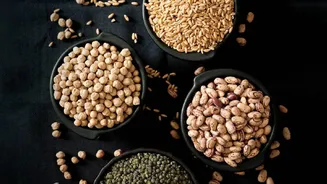
pancake from Tamil Nadu, traditionally made from a coarse batter of mixed lentils (dals) and rice. Unlike its more famous cousin, the dosa, adai batter typically does not require fermentation, which makes it a quicker and more convenient option. The combination of various pulses like toor dal, chana dal, and urad dal gives it a unique, dense texture and makes it significantly richer in protein. It is a wholesome meal, often served for breakfast or dinner with accompaniments like jaggery, butter, or avial (a mixed vegetable stew).
Why Add Oats?
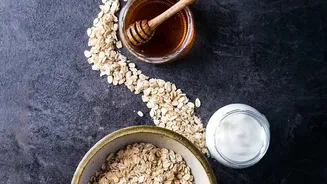
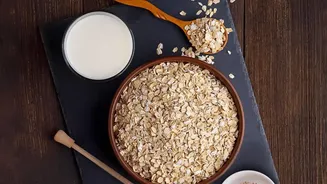
Introducing oats into the traditional adai recipe is a simple way to boost its nutritional profile. Oats are renowned for their high fibre content, which aids in digestion and promotes a feeling of fullness. They replace some or all of the rice, lowering the overall glycemic index and making it a more suitable option for sustained energy release. The combination of pulses and oats creates a powerhouse of nutrients. Research indicates that pulses like lentils and chickpeas are superior sources of bioavailable zinc and iron compared to cereal grains alone. This pairing ensures you get a balanced mix of plant-based protein, essential minerals, and slow-releasing carbohydrates to power you through the morning.
Preparing the Batter
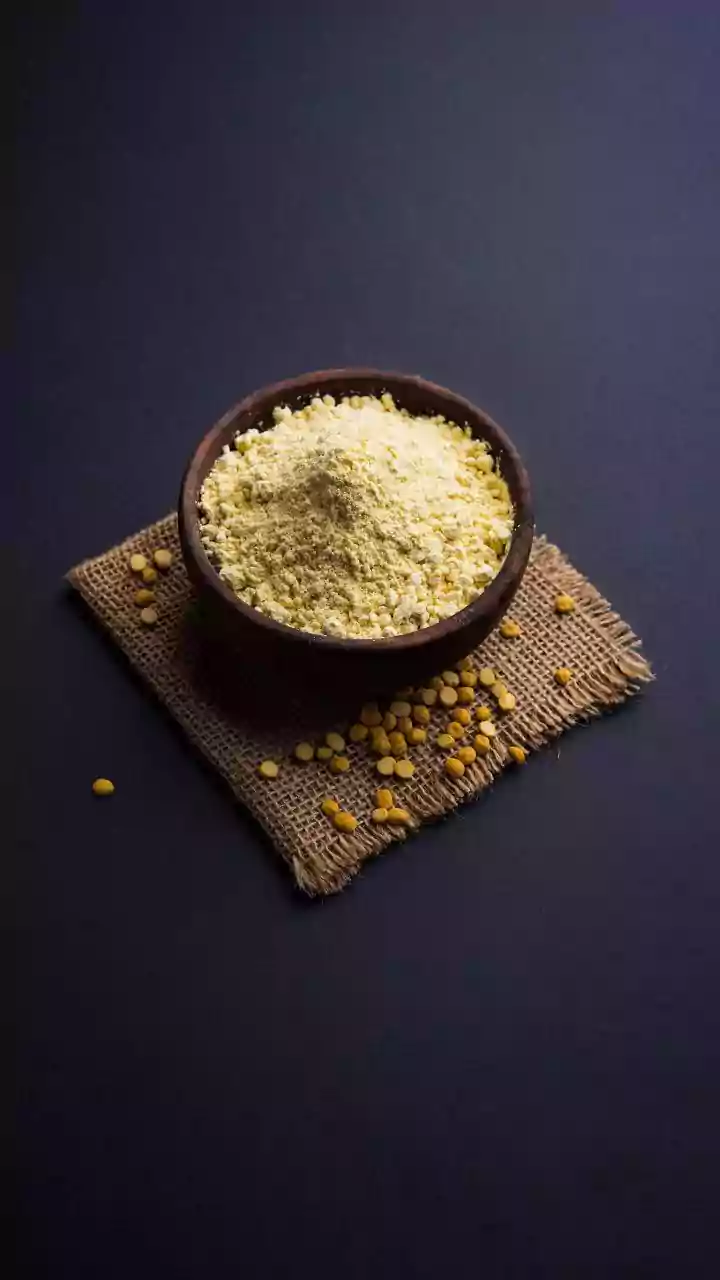
The key to a great Oats Adai lies in the preparation of the batter. The first step is to soak the lentils. A common mix includes toor dal (pigeon peas), chana dal (Bengal gram), and urad dal (black gram), though some recipes also add moong dal. Wash the dals thoroughly and soak them in water for at least three to four hours. While some recipes call for soaking oats, many simply use rolled oats ground into a powder, which is then mixed into the lentil batter. Once the dals are softened, drain them and grind them in a mixer with spices. Essential flavourings include dried red chillies, ginger, asafoetida (hing), and sometimes fennel or cumin seeds. The goal is a coarse, thick paste, not a completely smooth one, as this texture is characteristic of adai. Finally, mix in the ground oats powder and salt, adding water as needed to achieve a thick, spreadable batter, slightly denser than a regular dosa batter.
Cooking to Crispy Perfection
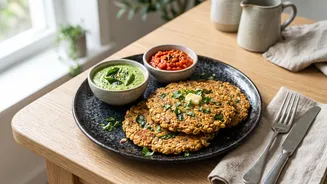
Once your batter is ready, you can start cooking immediately. Heat a flat tawa or griddle over medium heat and lightly grease it with oil or ghee. Pour a ladleful of the batter onto the tawa and spread it into a circle. It should be thicker than a standard dosa. A traditional technique involves making a small hole in the centre of the adai, which helps it cook evenly. Drizzle a little oil around the edges and in the centre. Let it cook for a few minutes until the underside is golden brown and crispy. Adai takes longer to cook than a dosa, so patience is key for achieving that perfect crisp texture. Flip it carefully and cook the other side for another minute or two. Serve the Oats Adai hot off the griddle.
Variations and Serving Suggestions
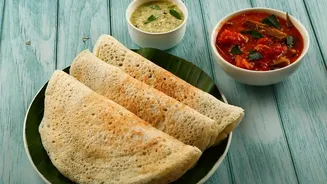
The beauty of Oats Adai lies in its versatility. You can easily customise the batter by adding finely chopped onions, fresh coriander, curry leaves, or even grated vegetables like carrots for extra nutrition and flavour. Some recipes also incorporate drumstick leaves, which lend a unique taste. Oats Adai pairs wonderfully with a variety of accompaniments. For a classic South Indian experience, serve it with coconut chutney, sambar, or avial. It also tastes delicious with a simple dollop of white butter or a piece of jaggery, which provides a sweet contrast to the savoury pancake.