




A Celebration of Incredible Variety
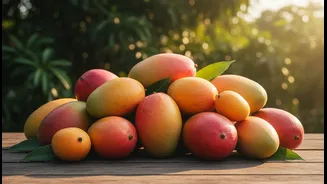
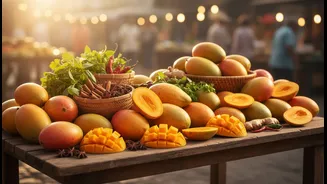
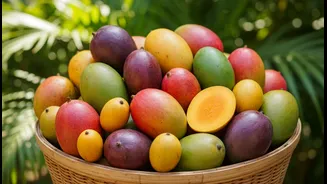
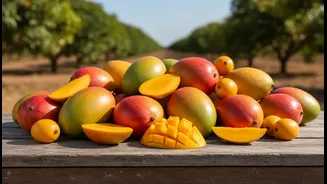
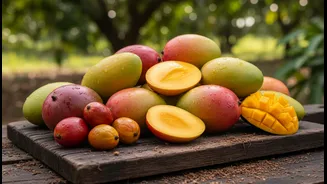
From Delhi to Haryana and Pune, mango festivals are a cherished annual tradition, transforming exhibition halls and gardens into a paradise for fruit lovers. This year’s events, like Delhi's 35th Mango Festival, have showcased a staggering array of varieties,
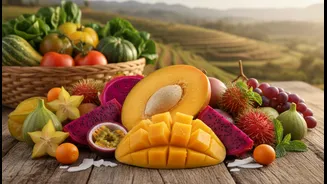
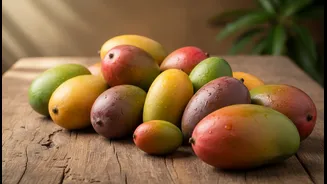
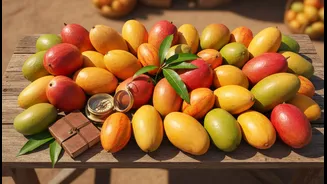
with some featuring over 400 and others displaying more than 1,000 types of mangoes. Visitors can marvel at fruits as tiny as grapes or as large as papayas, moving far beyond the well-known Alphonso, Dasheri, and Langra. Stalls overflow with gems like Himsagar, Kesar, Amrapali, and countless other heirloom varieties, each with a unique taste, texture, and history. These festivals are more than just a market; they are a vibrant platform connecting farmers directly with consumers, allowing people to taste and learn about rare mangoes that rarely make it to mainstream supermarkets.
Why Diversity Is a Farmer's Best Defence
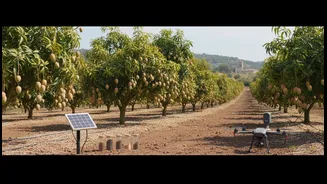
The dazzling variety on display is not just for show; it represents a vital strategy for agricultural resilience. Farming, especially in the face of climate change, is fraught with risks like unpredictable weather, new pests, and disease outbreaks. Relying on just one or two popular mango varieties—a practice known as monoculture—makes an entire orchard vulnerable. If a specific pest or disease targets that one variety, a farmer can lose their entire crop. In contrast, a multi-variety orchard acts as a natural insurance policy. Different mango types have different strengths; some may be more resistant to drought, while others might be better at fending off certain pests. By cultivating a diverse range of mangoes, farmers spread their risk. This genetic diversity ensures that even if one variety has a bad year, others are likely to thrive, providing a more stable income and food source.
The Economics of Heirloom Mangoes
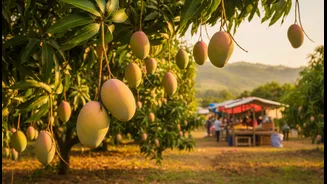
For generations, Indian farmers have been the custodians of this incredible mango diversity, often maintaining orchards inherited from their grandparents. These festivals play a crucial economic role by creating a market for these lesser-known, indigenous varieties. When consumers show interest in and purchase a wider range of mangoes, it provides a direct financial incentive for farmers to continue cultivating them. This is essential because many heirloom varieties might not have the same commercial appeal as an Alphonso in terms of shelf life or uniform appearance, but they are crucial for the genetic pool. Events like the Hanu Reddy Mango Festival near Chennai even promote mango tourism, creating additional income streams for farmers and bridging the gap between the farm and the global market. This support is vital for making the conservation of biodiversity a profitable and sustainable endeavour for farming communities.
An Eco-Friendly Choice for the Future
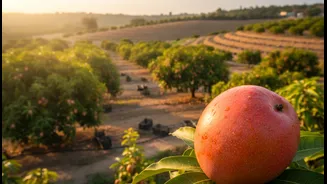
The benefits of mango diversity extend to the environment as well. Mango trees are excellent for sustainable agriculture. Their deep root systems improve soil fertility and water retention, and their broad canopies provide shade, which helps reduce water evaporation and cools the soil. Mango orchards are also effective at carbon sequestration, absorbing more carbon dioxide than is emitted during their growth and transport, making them a climate-positive crop. Agroforestry systems, where mango trees are grown alongside other crops, further enhance biodiversity, improve soil health, and reduce the need for synthetic fertilisers and pesticides. By supporting the cultivation of diverse mango landscapes, these festivals indirectly champion farming practices that are healthier for the planet. They remind us that a resilient food system is one that works with nature, not against it.