


What Exactly Are Sodium-Ion Batteries?
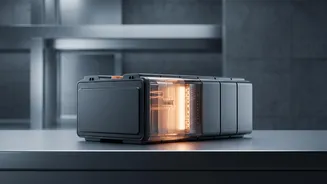
At its core, a sodium-ion battery works much like the lithium-ion batteries found in our phones and current electric vehicles. Both use ions that shuttle between a positive (cathode) and negative (anode) electrode to store and release energy. The key
difference is the star player: instead of lithium, it uses sodium. This might seem like a small change, but it has enormous implications. Sodium is the sixth most abundant element on Earth, found everywhere in salt and seawater. Lithium, by contrast, is much rarer, with its extraction concentrated in a few countries, leading to supply chain risks and price volatility.
The All-Important Cost Advantage
The single biggest advantage of sodium-ion technology is its potential for lower cost. The raw material, sodium, is about 1,000 times more abundant and significantly cheaper to process than lithium. But the savings don't stop there. Lithium-ion batteries require a costly copper foil for one of their components, the anode current collector. Sodium-ion batteries can use inexpensive aluminium for both collectors, further reducing the bill of materials. While the technology is still scaling up, analysts project that sodium-ion batteries could soon be 30-40% cheaper than their lithium-ion counterparts. Given that the battery can account for nearly 40% of an electric scooter's total price, this cost reduction is a game-changer for making EVs affordable for the masses.
Performance: The Trade-Offs
So, if they're so much cheaper, why isn't everything already running on sodium-ion? The main trade-off has been energy density. In simple terms, early sodium-ion batteries have been bulkier and heavier than lithium-ion ones for the same amount of energy, which means a shorter range for the vehicle. However, this gap is closing fast. More importantly, sodium-ion batteries have some key performance perks. They are generally safer, with a lower risk of thermal runaway (catching fire). They also perform exceptionally well in a wide range of temperatures, from extreme cold to intense heat, which is a major advantage for the varied Indian climate. They can often handle faster charging speeds without degrading as quickly, another plus for daily commuters.
The 'Make in India' Opportunity
This technology aligns perfectly with India's goal of 'Atmanirbhar Bharat' (self-reliant India). India has limited lithium reserves and relies heavily on imports, exposing it to global supply disruptions. Sodium, however, is abundantly available. Several Indian companies are already making significant strides. Firms like IndiEnergy, backed by research from IIT Roorkee, are developing sodium-ion cells using agricultural waste to create a key component, turning a local problem (stubble burning) into a high-tech solution. Other major players, including Reliance, are investing heavily in setting up giga-factories for sodium-ion battery production in India. According to government officials, with Indian research reaching advanced stages, commercial production could be just two to three years away.
The Road to Mass Adoption
Despite the promise, there are hurdles. The primary challenge is scale. While the technology is proven, mass manufacturing infrastructure is still being built. Right now, due to low production volumes, the cost of a sodium-ion battery is still roughly on par with a lithium-ion one. The ecosystem of chargers and battery management systems also needs to mature around this new chemistry. However, the momentum is undeniable. For electric two-wheelers, where the slightly lower range is less of a concern for urban commuting, sodium-ion batteries present an ideal entry point. Their lower cost and safety advantages make them perfect for the most price-sensitive segment of the EV market.