




Embrace the Element of Surprise
The first rule of monsoon travel is that nature is in charge. A sudden downpour can delay a flight, a landslide might close a mountain road, or a planned trek could be deemed unsafe. Instead of viewing these as trip-ruining disasters, see them as part
of the adventure. The most memorable travel stories often come from unexpected detours. Rigidity is the enemy of joy when travelling between June and September in most parts of India. A flexible mindset allows you to pivot without frustration, turning a potential roadblock into an opportunity to explore something you hadn't planned for.
Ditch the Minute-by-Minute Itinerary
A packed, non-stop schedule is a recipe for disappointment during the monsoon. Instead of planning every hour, focus on a 'home base' strategy. Pick a town or region and plan a few key experiences, but leave entire days open. This gives you the freedom to wake up, check the weather, and decide what feels right. Maybe the sun is out, making it a perfect day for that viewpoint. Or perhaps it’s pouring, offering the ideal excuse to curl up with a book and a cup of chai at a local café, watching the world get washed clean. Buffer days aren't wasted time; they are your insurance against stress.
Booking Smart is Your Best Friend
Flexibility starts long before you pack your bags. When booking accommodation and transport, prioritise options with generous cancellation or rescheduling policies. Many hotels offer 'book now, pay later' or free cancellation up to 24-48 hours before check-in. This is invaluable. If you hear reports of impassable roads leading to your next destination, you can change your plans without losing money. Similarly, while it might cost a fraction more, booking a flexible flight ticket can save you a huge headache if your travel plans are disrupted by severe weather. Think of it as a small investment in your peace of mind.
The Unexpected Joy of a Detour
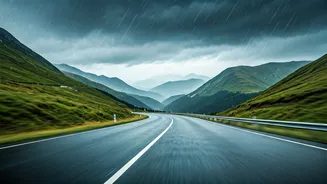
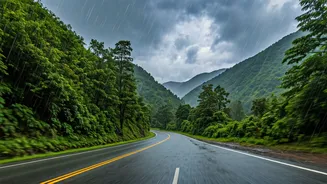
Imagine you’re driving through the Western Ghats and a fallen tree blocks the main highway. A rigid plan would see this as a catastrophe. A flexible one sees it as a prompt. The locals suggest a smaller, winding village road as an alternative. This detour might take you past a roaring, rain-fed waterfall you’d never have found otherwise. You might stop at a tiny, family-run eatery for the best meal of your trip. This is the 'reward' the headline promises. The monsoon forces you off the beaten path, and it’s often there, away from the tourist trail, that the most authentic and beautiful experiences lie waiting.
Pack for Possibilities, Not Perfection
Smart packing is crucial. Of course, a reliable raincoat and umbrella are non-negotiable. But think beyond that. Pack quick-drying clothes made of synthetic fabrics, as cotton can take days to dry in the humid air. Bring two pairs of sturdy, waterproof footwear so one can dry while you wear the other. Waterproof dry bags or even simple zip-lock bags are essential for protecting your phone, camera, and wallet. A power bank is a must, as power cuts can be more frequent in some areas. Packing this way means you’re prepared for a downpour, a muddy path, or a long wait, allowing you to say 'yes' to more spontaneous adventures.
Choose Your Destination Wisely
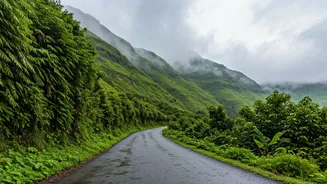
Flexibility is vital, but so is making an informed choice. Not all destinations are created equal in the monsoon. While you should be cautious about landslide-prone regions in the Himalayas, other places come alive. The Western Ghats, including Goa and much of Kerala, are transformed into a lush, emerald paradise with cascading waterfalls. The lakes of Udaipur in Rajasthan fill up, making the city even more romantic and blissfully less crowded. The Spiti Valley in Himachal Pradesh, being in a rain shadow area, receives very little rainfall, making it a spectacular choice for a monsoon road trip. A little research helps you be flexible in a place that’s beautiful, not dangerous.