
The Science of Soggy
The transformation from a crisp, golden cube to a soft, mushy lump is a matter of science. When bread is baked into a crouton, most of its moisture is removed, leaving behind a porous, starchy structure. This structure is like a dry sponge, eager to soak
up any liquid it encounters. When you introduce dressing—which contains water, oil, and vinegar—the starch molecules in the crouton immediately begin to absorb that moisture. This process, known as starch retrogradation in reverse, effectively rehydrates the bread, destroying the very crispiness you desire. Even the moisture from fresh lettuce and other vegetables contributes to this process, making time the enemy of a crunchy crouton.
Texture Is a Main Ingredient
A great salad is a study in contrasts. You have the tender lettuce, the crisp vegetables, and hopefully, the satisfying crunch of a well-made crouton. That textural variety is not just a bonus; it’s a critical component of what makes a salad enjoyable. Each crunchy bite provides a counterpoint to the softer elements, keeping your palate engaged. When croutons turn soggy, they lose their purpose. Instead of providing a delightful crunch, they become chewy and waterlogged, blending into the other ingredients and creating a monotonous texture. Preserving that crunch is just as important as choosing the right greens or whisking the perfect vinaigrette.
The Golden Rule of Timing
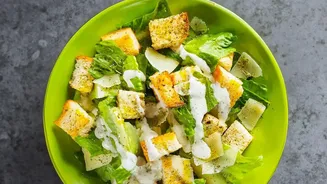
The solution is beautifully simple: add your croutons at the absolute last moment. This doesn't mean tossing them in five minutes before you plan to eat. It means dressing and tossing your salad greens first, plating them, and then sprinkling the croutons on top just before the fork touches the plate. For family-style meals, the best approach is to bring the croutons to the table in a separate bowl. This allows everyone to add their own, guaranteeing maximum crispness for every single person. This rule applies to other crunchy toppings as well, such as toasted nuts, fried onion straws, or tortilla strips, all of which will absorb moisture and lose their texture over time.
Build a Better Crouton
While timing is paramount, the quality of your crouton also plays a significant role. For superior crunch, start with day-old, sturdy bread like a baguette, sourdough, or ciabatta. These breads have a lower moisture content to begin with, giving them a head start on crispiness. Cut the bread into uniform cubes to ensure even baking. Toss them generously with olive oil or a mix of melted butter and oil, which adds flavour and promotes browning. Spread them in a single layer on a baking sheet, making sure not to crowd the pan, as this can cause them to steam rather than toast. Bake until they are deeply golden brown and completely dry. Let them cool fully before storing them in an airtight container; trapping residual heat will create steam and make them soft.
Dressing and Other Considerations
While all dressings will eventually make a crouton soggy, some are faster culprits than others. Thin, watery vinaigrettes will be absorbed more quickly than thick, creamy dressings like a Caesar or ranch, which have a higher fat content that can act as a slight barrier. However, this is a matter of minutes, not hours. No crouton stands a chance if left to sit in any kind of dressing for too long. A fun alternative for getting crunch in every bite without the risk of sogginess is to crush some of your croutons into smaller crumbles. This distributes the texture and toasted bread flavour throughout the salad, ensuring you get that satisfying element from start to finish.