



The End of Cookie-Cutter Tourism
For years, travel was a checklist. See the monument, take the photo, eat at the recommended restaurant, and retreat to a hotel room that looks the same in any city. But for a growing number of young Indians, this model feels impersonal and outdated. Today's
travellers, especially millennials and Gen Z, are driven by a desire for experiences over simple sightseeing. Recent travel reports show a marked preference for shorter, more frequent, and experience-led trips. They want stories, not just souvenirs. This shift has fuelled a quiet revolution against the anonymity of large hotel chains, pushing travellers towards options that offer a genuine sense of place.
The Rise of Authentic Hospitality
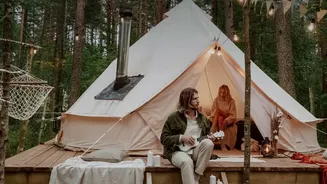
Enter the small-town homestay or boutique inn. Unlike a sprawling resort, these accommodations are built on a foundation of personal connection. The hosts are not just managers; they are residents, storytellers, and cultural ambassadors. They offer a window into the local way of life that a hotel concierge, however helpful, can rarely provide. A survey found that an overwhelming 87% of Indian travellers believe alternative stays help create more meaningful holiday memories, with 85% associating them with authentic local experiences. The value is not in the thread count of the sheets, but in the warmth of the welcome and the richness of the conversation over a cup of chai.
Curated, Not Catalogued
One of the biggest advantages of a small-town stay is access to experiences that are not listed in any guidebook. Your host might know the perfect, unnamed spot to watch a sunset, the shortcut to a hidden waterfall, or which local artisan makes the most beautiful crafts. They can arrange for you to learn a local recipe, not in a formal cooking class, but in their own kitchen. This turns a vacation from a passive viewing experience into an active, immersive one. Instead of following a rigid itinerary designed for mass tourism, your stay is shaped by genuine recommendations and spontaneous opportunities that arise from local knowledge. It is the difference between being a tourist and being a guest.
A Taste of True Local Flavour
Food is a massive part of travel, but hotel buffets often present a standardised, toned-down version of regional cuisine. In a homestay, the food is often the highlight. Meals are typically home-cooked, featuring family recipes passed down through generations and made with fresh, local ingredients. This offers a direct taste of the region’s culinary identity, from the spices used to the way dishes are prepared and served. It's an intimate dining experience where you often learn the story behind the food you are eating, making it far more memorable than any restaurant meal.
Slower Pace, Deeper Connection
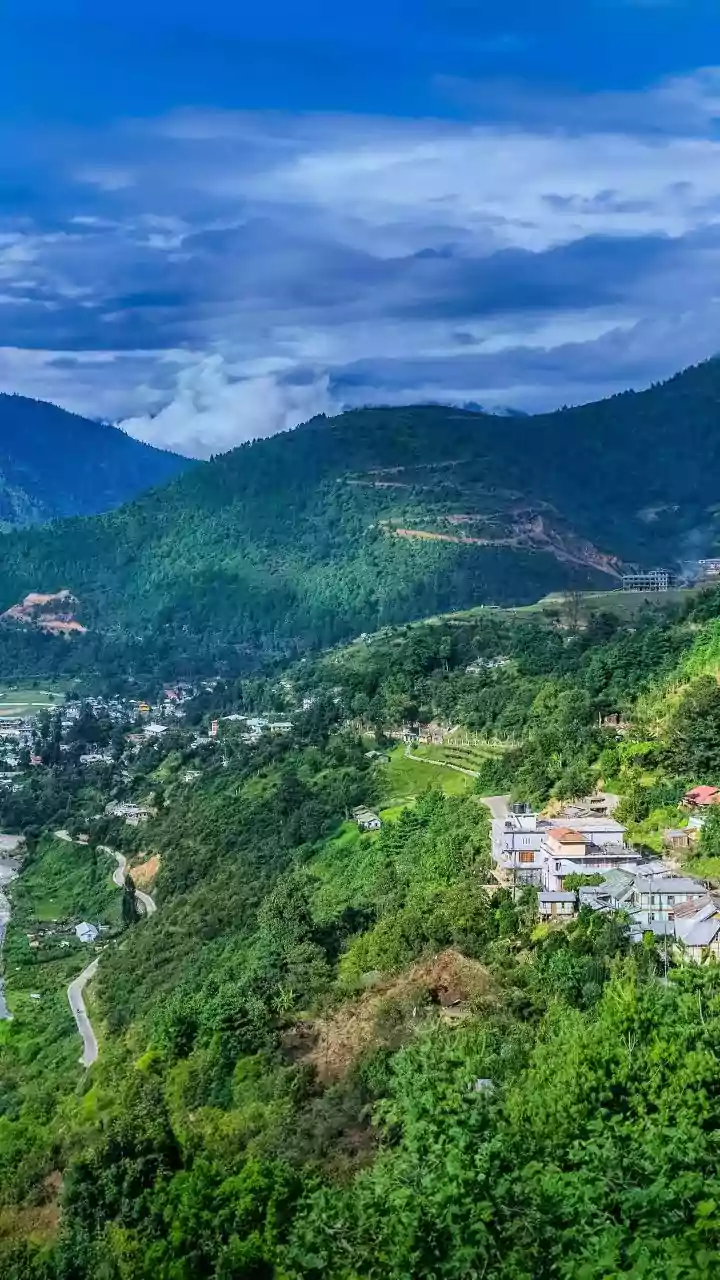
Small towns operate on a different clock. The slower pace of life is a welcome antidote to the hustle of urban India and encourages a more mindful approach to travel. This 'slow travel' philosophy allows for deeper connections—not just with your hosts, but with the destination itself. You have the time to wander without a plan, to observe the daily rhythms of the community, and to engage in conversations without feeling rushed. This environment fosters a sense of discovery that is often lost when you are racing from one attraction to the next. Young travellers are finding that this slower, more deliberate style of exploration leads to a more restorative and enriching break.