


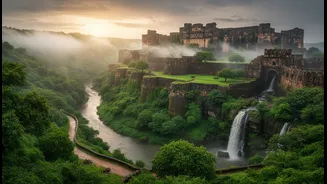


Lohagad Fort, Maharashtra: The Iron Fort in the Clouds
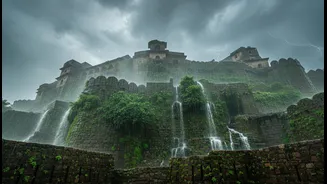
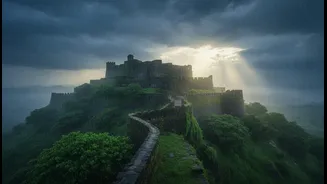
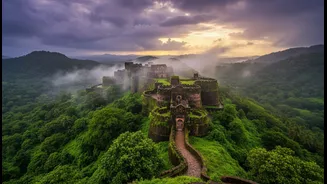
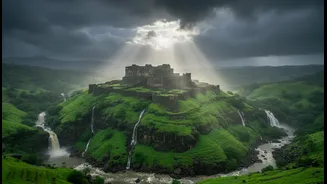
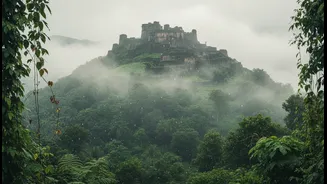
A classic for trekkers from Mumbai and Pune, Lohagad, or the 'Iron Fort', is a spectacle during the rainy season. Perched in the Sahyadri mountains, this UNESCO World Heritage site truly comes alive from June to September. The trek itself is considered
easy, making it accessible for families and beginners. As you ascend the stone steps, often slick with moss, you'll walk through clouds that drift across the valley. The fort's famous 'Vinchu Kata' or scorpion's tail fortification offers breathtaking, mist-shrouded views of the Pavana reservoir below. The entire plateau turns a vibrant green, with seasonal waterfalls cascading down the ancient walls, creating a refreshing, almost magical atmosphere. The experience is less about a strenuous hike and more about soaking in the dramatic monsoon landscapes of the Western Ghats.
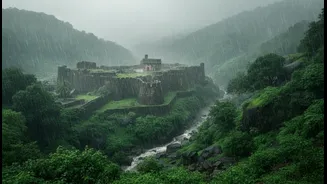
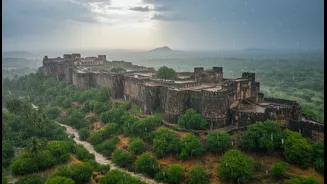
Kumbalgarh Fort, Rajasthan: The Great Wall in a Green Kingdom
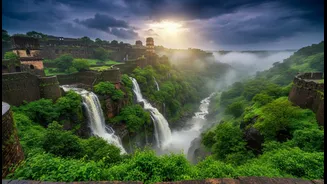
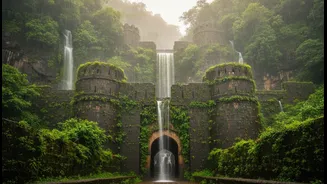
When you think of Rajasthan, you might picture arid deserts, but the monsoon tells a different story. At Kumbalgarh, the rains transform the rugged Aravalli Hills into a lush, emerald kingdom. The fort, a UNESCO World Heritage Site, is encircled by a massive 36-kilometre wall, often called the Great Wall of India, second only to its Chinese counterpart. Visiting during the monsoon means fewer crowds and a chance to see the landscape in a way few tourists do. The rain-washed ramparts offer panoramic views of green valleys cloaked in mist. It's a tranquil and magical setting, where you can explore the birthplace of Maharana Pratap and over 300 ancient temples within the fort complex, all while enjoying the cool, pleasant weather.
Bekal Fort, Kerala: Where the Monsoon Meets the Arabian Sea
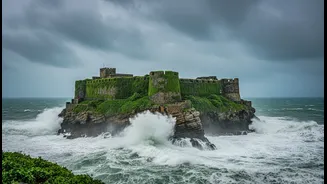
For a truly dramatic coastal experience, nothing beats Bekal Fort in the monsoons. This 17th-century fortress in Kasaragod is the largest in Kerala, and its keyhole-shaped structure juts right into the Arabian Sea. During the rainy season, the experience is powerful and elemental. You can stand on the massive laterite ramparts and watch enormous monsoon waves crash against the ancient walls, sending spray high into the air. The surrounding gardens become exceptionally lush, and the view from the observation tower provides a stunning panorama of the raging sea on one side and serene backwaters on the other. While swimming is off-limits, for photographers and storm-watchers, the raw coastal drama of Bekal in the rain is an unforgettable sight.
Mandu, Madhya Pradesh: The City of Joy's Monsoon Romance
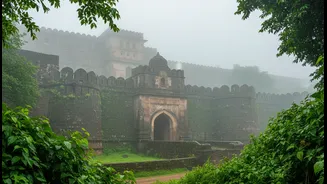
Mandu is not just a fort, but an entire abandoned city that is steeped in history and romance, a story that feels especially poignant during the monsoon. Even the Mughal Emperor Jehangir called it 'Shadiabad'—the City of Joy—and favored it as a rainy season retreat. The plateau of Mandu, dotted with lakes and Afghan-style architectural marvels, becomes incredibly picturesque. The famous Jahaz Mahal, or Ship Palace, appears as if it's floating between two rain-filled lakes. The legend of the romance between Sultan Baz Bahadur and Rani Roopmati echoes through the pavilions, from which the queen would gaze at the sacred Narmada river, now shrouded in monsoon mist. Exploring these romantic ruins amidst fresh greenery and minimal crowds makes for a unique heritage escape.
A Note on Sea Forts like Murud-Janjira
While many forts are spectacular in the monsoon, some, particularly sea forts, become inaccessible for safety reasons. The iconic Murud-Janjira Fort in Maharashtra, an unconquered fortress in the middle of the Arabian Sea, is a prime example. The boat services required to reach the fort are typically suspended from late May through the monsoon months due to rough seas, high winds, and heavy rainfall, which make the journey dangerous. While the fort itself looks mesmerizing with dramatic seascapes, tourist access is officially closed during this period to ensure safety. It's always best to check local conditions and advisories before planning a trip to any coastal fort during the rainy season.