





Why Fibre Is Your Friend
Dietary fibre, the indigestible part of plants, is a health superstar. A high-fibre diet is essential for maintaining good digestive health, as it adds bulk and softness to stool, which helps prevent constipation. But its benefits go much further. Soluble
fibre, found in foods like oats and beans, can help lower cholesterol levels. It also slows the absorption of sugar, which aids in managing blood sugar levels, a key concern for those with diabetes. Furthermore, fibre-rich foods help you feel full for longer, which can support weight management by reducing the urge to snack unnecessarily. The Indian Council of Medical Research (ICMR) generally recommends that adults consume about 25 to 40 grams of fibre daily, though many people, especially in urban areas, get only about half of that amount.
The Power of Pulses
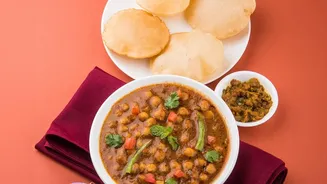
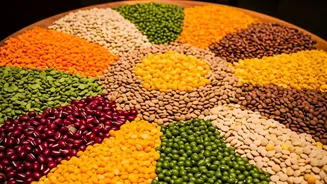
Dals and legumes are the foundation of a high-fibre Indian diet. They are reliable, affordable, and incredibly versatile. Among the most potent sources are rajma (kidney beans) and chana (chickpeas), which lead the pack in fibre content. A single serving of rajma can provide a significant portion of your daily fibre needs. Other common dals like masoor, moong, and toor are also excellent choices. To maximise their benefits, consume them as whole or split dals rather than highly processed versions. Including a katori of dal in your lunch or dinner is one of the easiest and most effective ways to boost your fibre intake. Sprouted pulses in salads or as a snack also add a powerful nutritional punch.
Go with Whole Grains
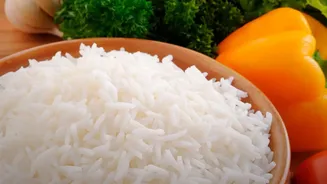
The switch from refined grains to whole grains is a simple but profound change for better health. Refined grains, like maida and white rice, have had their fibrous outer layers (the bran and germ) removed during processing. Whole grains, on the other hand, contain all parts of the grain, delivering much more fibre, vitamins, and minerals. Making rotis from whole wheat atta is a daily staple that contributes significant fibre. You can enhance this further by mixing in millet flours like jowar, bajra, or ragi, which can add extra grams of fibre per roti. Similarly, swapping white rice for brown rice, even just a few times a week, can make a noticeable difference to your daily total.
The Green and Colourful Advantage
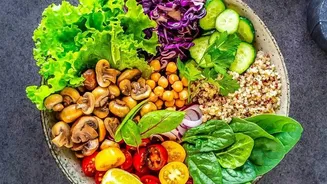
Vegetables are another cornerstone of a fibre-rich diet. Indian cuisine excels at incorporating a wide variety of greens and other vegetables into everyday meals. Leafy greens like spinach (palak) and fenugreek (methi) are great sources. Other common vegetables like okra (bhindi), bottle gourd (lauki), carrots, and cabbage are also packed with fibre. Bhindi is particularly notable for its soluble fibre content. Aim to fill at least half your plate with vegetables, whether in a sabzi, a salad, or mixed into your dal or rice. This not only increases your fibre intake but also provides a host of essential vitamins and antioxidants.
Snack Smart with Fruit
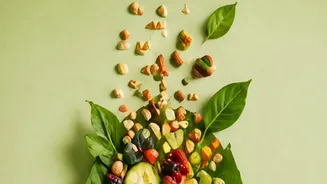
When it comes to fibre, whole fruits are far superior to fruit juices, which have their fibre stripped away. India is blessed with many delicious, high-fibre fruits that are easily available. Guava is a standout, ranking as one of the highest-fibre common fruits. Apples (eaten with the skin), pears, papayas, and bananas are also fantastic choices. Eating a piece of fruit as a mid-morning or evening snack is a simple habit that satisfies sweet cravings while delivering a healthy dose of fibre and nutrients. For an extra boost, consider a small handful of nuts like almonds or peanuts, which also contribute to your daily fibre goal.