



The Power of a Flavor Bomb
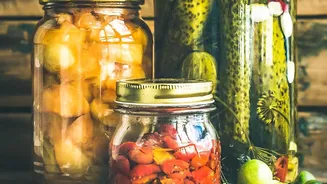
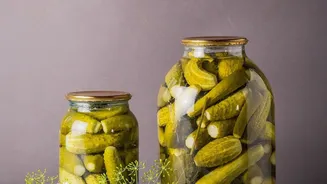
Think of it as a culinary multiplier. A small serving of a well-made pickle delivers an explosion of salty, sour, spicy, and sometimes sweet notes that awaken the palate. This concept of a 'micro-dose' of flavour is central to the role of pickles in Indian
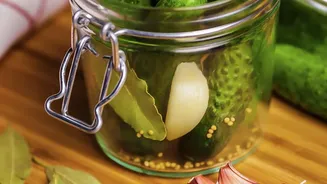
cuisine. The goal isn't to overpower the main dish, but to provide a concentrated burst that complements and elevates everything on the plate, from a simple dal and rice to a stuffed paratha. The practice originated as a method of preserving seasonal produce, but it evolved into a culinary art form, turning humble fruits and vegetables into potent flavour enhancers that satisfy daily cravings with just a small touch.
A Journey Across India's Pickle Map
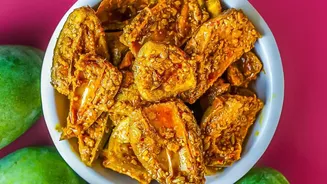
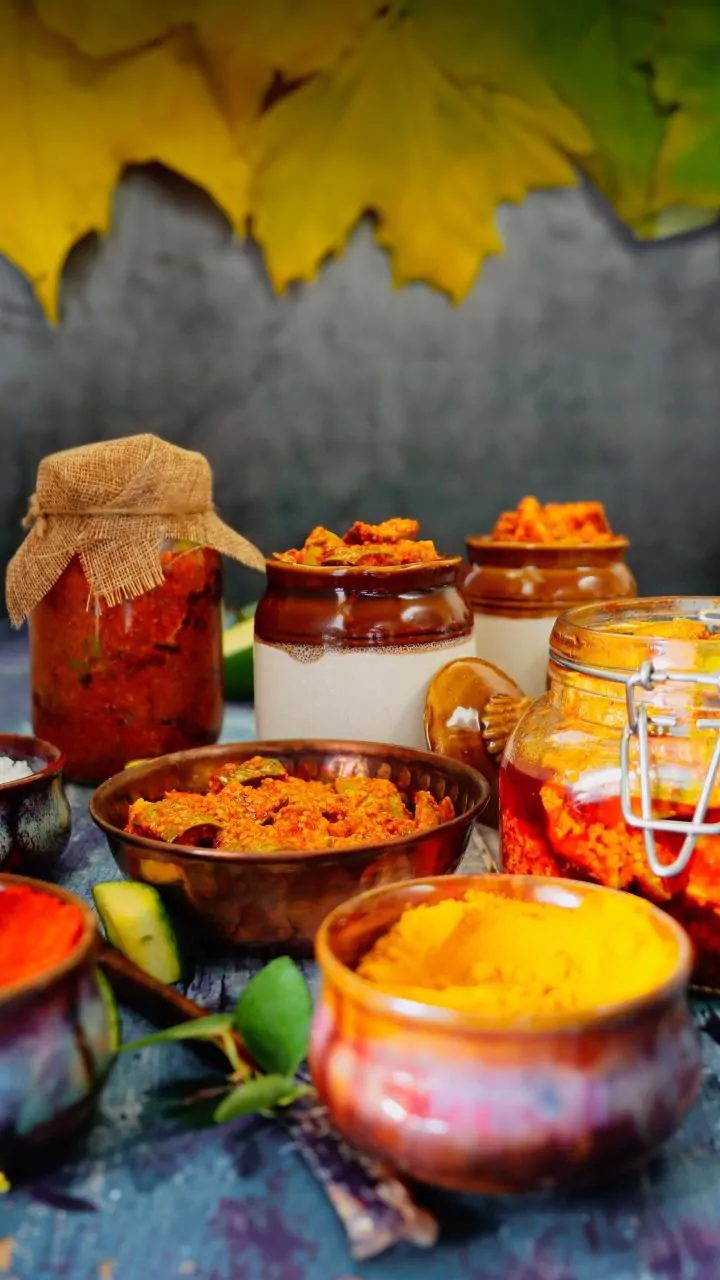
The diversity of Indian pickles is staggering, with each region offering a unique taste profile based on local ingredients and climate. In Andhra Pradesh, the fiery 'Avakaya', made with raw mangoes, generous amounts of mustard powder, and sesame oil, is a cultural icon known for its intense heat. Travel west to Gujarat, and you'll find the sweet and tangy 'Gorkeri' or 'Chhundo', where mango is paired with jaggery or sugar to create a jam-like condiment. Bengal offers the pungent and sharp 'Kasundi', a fermented mustard relish that is a world away from sweet mango pickles. Meanwhile, the Northeast is home to the legendary 'Bhoot Jolokia' (ghost pepper) pickle, a condiment for those who truly love extreme spice. This is just a glimpse; countless other varieties exist, from Kerala's tangy lime pickles to Punjab's robust stuffed red chilli pickles.
More Than Food, It's Memory in a Jar
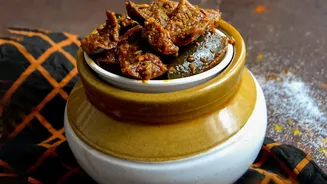
Beyond its taste, achar is deeply intertwined with culture, tradition, and nostalgia. The process of making pickles is often a communal, seasonal ritual, bringing families together during summer holidays to chop, spice, and sun-dry large batches. For many, the taste of a specific pickle instantly evokes memories of a grandmother's kitchen, childhood lunches, or festive family gatherings. These recipes are often treasured family heirlooms, passed down through generations, with each household guarding its own secret blend of spices. A jar of homemade pickle is not just food; it's a symbol of love, hospitality, and a tangible connection to one's roots.
The Rise of the Artisanal Achar
In recent years, there has been a noticeable shift away from mass-produced, factory-made pickles towards small-batch and artisanal brands. Consumers are increasingly seeking the authentic, preservative-free taste of 'ghar ka achar'. This movement is driven by a desire for quality, transparency, and the unique flavours that large-scale production often loses. Small-batch producers, many of whom started during the pandemic, are reviving heirloom recipes and celebrating regional diversity. Brands like Kaki Maa from Bihar, which focuses on traditional Mithila-style recipes, and FarmDidi, which empowers rural women, are finding a dedicated audience. These producers often use traditional methods like sun-drying and high-quality local oils, ensuring a final product that is rich in both flavour and cultural authenticity.
Building Your Own Pickle Pantry
Exploring the world of regional pickles is a rewarding journey for any food lover. Start by looking beyond the standard mango and lime varieties at your local store. Seek out speciality food shops or browse online for small-batch brands that specify their regional origin. Think about pairings: a spicy Andhra pickle is a perfect foil for creamy curd rice, while a sweet Gujarati chhundo is a classic companion for theplas or khakhras. Don't be afraid to experiment. Having a small 'pickle library' of three or four distinct regional varieties at home means you always have a secret weapon to instantly make any meal more exciting and satisfying. A little goes a long way, and the right micro-dose of flavour can make all the difference.