

As winter's gentle chill settles over Rajasthan, Jaipur's legendary palaces come alive. The Pink City sheds its summer heat, offering the perfect weather for exploring its architectural marvels and rich history.
Amber Fort: The Majestic Hilltop Citadel
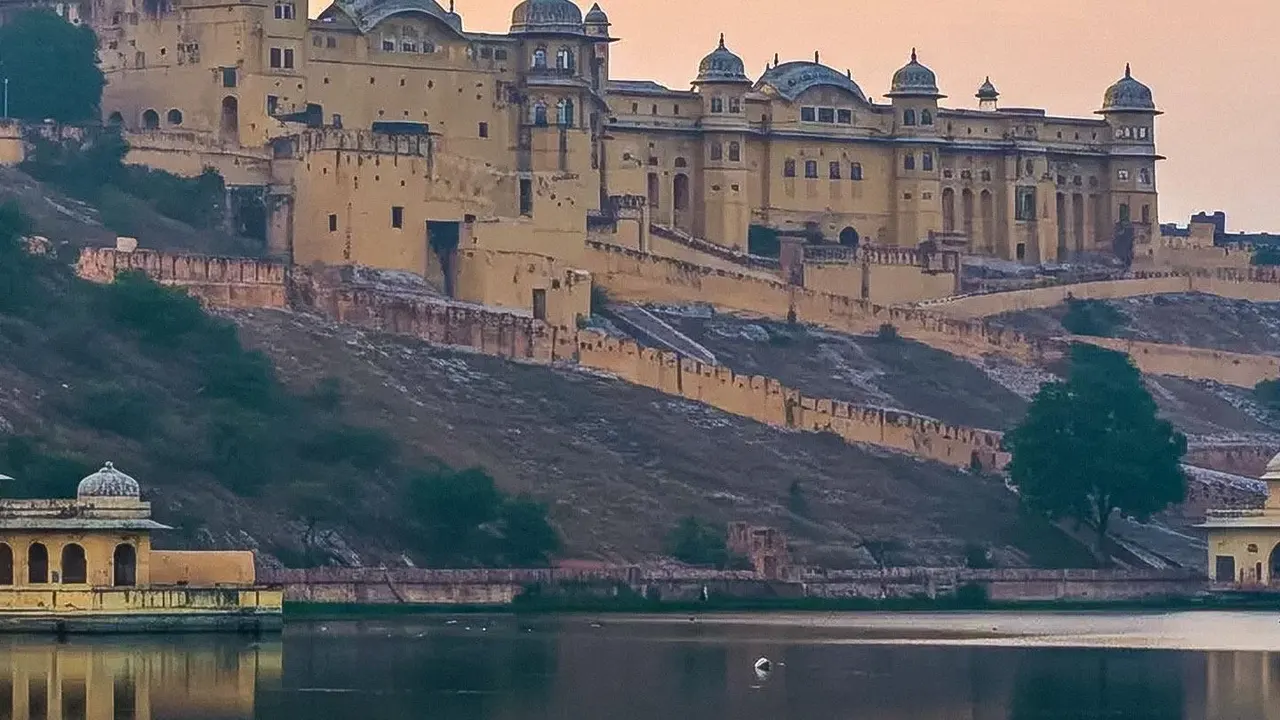
No trip to Jaipur is complete without a visit
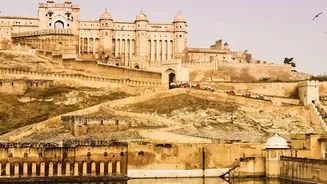
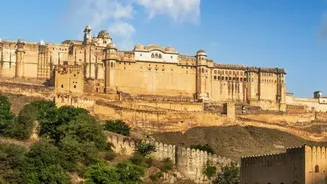
to the magnificent Amber Fort, a UNESCO World Heritage Site perched on a hill overlooking Maota Lake. Winter is the ideal season to explore this sprawling complex of courtyards, palaces, and gardens. The pleasant daytime temperatures, which hover between 8°C and 25°C, make walking through the fort's vast grounds a comfortable and delightful experience. Arriving early in the morning allows you to witness the soft light illuminating the red sandstone and marble, often with a gentle mist lifting from the Aravalli hills. Don't miss the Sheesh Mahal, or Mirror Palace, where thousands of intricate mirror mosaics create a dazzling effect. The cooler weather also makes the evening light and sound show, which narrates the fort's history, a particularly enjoyable experience.
Hawa Mahal: The Iconic Palace of Winds
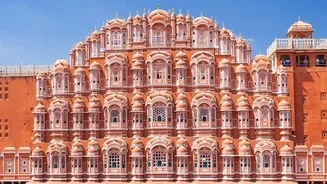
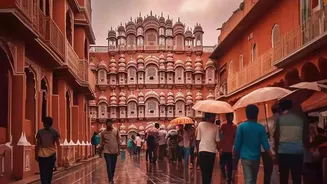
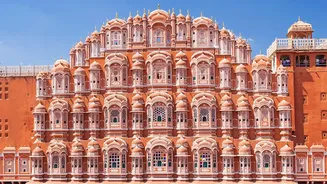
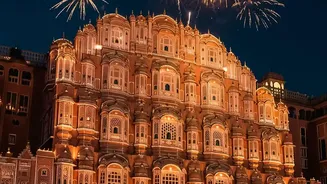
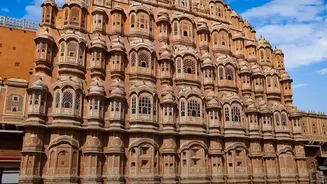
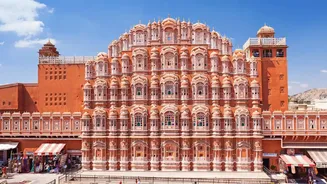
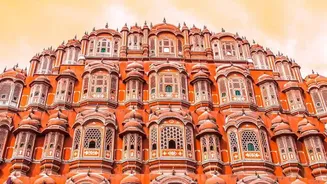
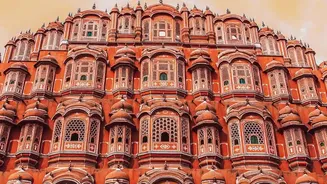
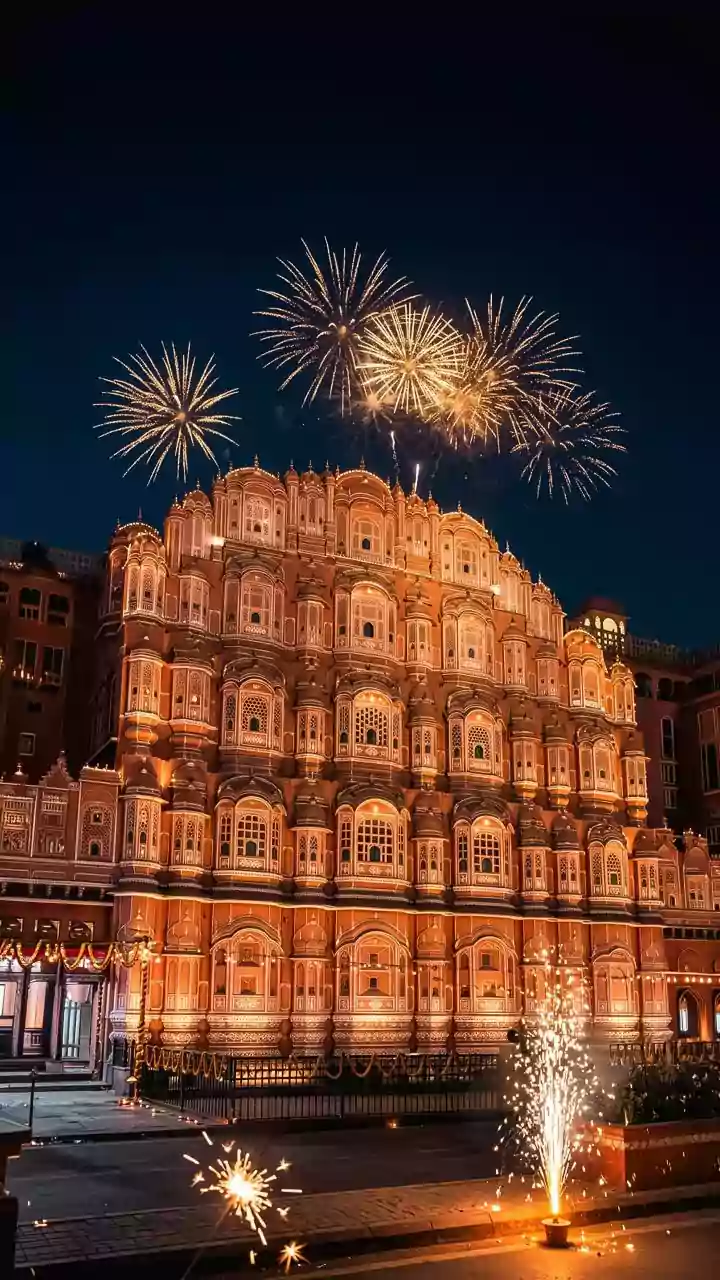
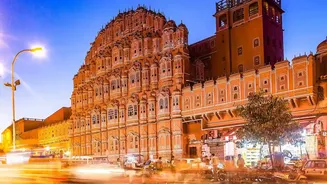
Perhaps the most recognizable landmark in Jaipur, the Hawa Mahal is an extraordinary five-story facade of pink sandstone. Built in 1799, its 953 intricately latticed windows were designed to allow the royal women to observe street festivities without being seen. The winter sun casts a warm, golden glow on its eastern-facing front, making early morning the best time for photography from across the street. The name 'Palace of Winds' becomes truly apparent during the cooler months, as a gentle breeze flows through the jharokhas, demonstrating the brilliance of its architectural design. Unlike the sweltering summer, a winter visit allows you to comfortably explore the narrow corridors and ramps behind the famous facade and appreciate the genius of its construction.
City Palace: A Royal Residence in the City's Heart
Located in the heart of the old city, the City Palace is a sprawling complex that has been the seat of the Maharaja of Jaipur since the 18th century. It showcases a stunning blend of Rajput, Mughal, and European architectural styles. Winter provides the perfect climate for wandering through its numerous courtyards, gardens, and museums without the fatigue of summer heat. Highlights include the Mubarak Mahal, which houses a collection of royal textiles, and the Pritam Niwas Chowk with its four ornate gates representing the seasons. The 'Rose Gate,' dedicated to the Goddess Devi, symbolizes winter and is particularly fitting to admire during this season. A part of the palace is still a royal residence, lending a living, breathing quality to this historical treasure.
Jal Mahal: The Serene Water Palace
Seemingly floating in the middle of Man Sagar Lake, Jal Mahal is one of Jaipur's most picturesque and tranquil sights. This five-story red sandstone palace has four of its floors submerged when the lake is full. While entry into the palace itself is not permitted, the view from the lakeside promenade is breathtaking, especially during the calm winter months. The clear winter skies create a perfect reflection of the palace in the water, making for stunning photographs at sunrise and sunset. Originally built as a hunting lodge for duck shooting parties, its serene beauty against the backdrop of the Aravalli hills is a must-see on any Jaipur itinerary.
Nahargarh Fort: The Sunset Sentinel
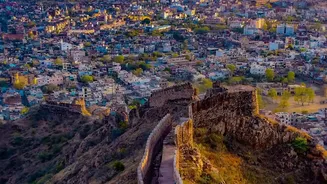
For the most spectacular panoramic views of Jaipur, a trip to Nahargarh Fort is essential. Perched on the Aravalli ridge, the fort was built as a defensive stronghold and a royal retreat. Winter offers the clearest, crispest air, providing unobstructed views of the entire Pink City below. The season is particularly famous for its incredible sunsets, when the sky turns fiery orange and the city begins to light up. Arrive in the late afternoon to explore the Madhavendra Bhawan, a palace within the fort with interconnected suites for the queens, before finding a spot on the ramparts to watch the evening spectacle. The cool evening breeze can be sharp, so carrying a jacket is a wise tip for a comfortable sunset experience.