



More Than Just Sand and Shore
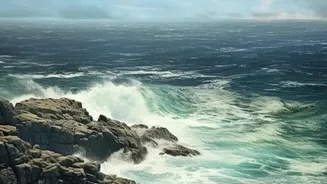
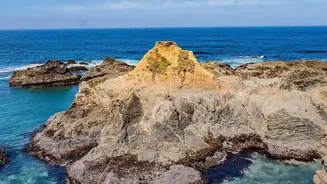
For anyone living along India's vast 7,500-kilometre coastline, the sight of a shrinking beach is a familiar and worrying trend. Development, rising sea levels, and increasingly intense storms are washing away land at an alarming rate. The immediate impacts
are obvious: threats to homes, infrastructure, and the tourism industry that many coastal communities depend on. We focus on the visible loss of property and the encroachment of the sea. But this is only a fraction of the story. The real crisis unfolds beneath the water and within the soil of our coastal ecosystems, turning a local issue into a global climate problem.
Meet the Planet's Carbon Superheroes
Along our coasts are some of the most powerful, yet overlooked, ecosystems on Earth: mangrove forests, salt marshes, and seagrass meadows. These aren't just pretty backdrops or nurseries for fish; they are carbon-capturing powerhouses. Scientists refer to the carbon they store as "blue carbon". Through photosynthesis, these plants absorb carbon dioxide from the atmosphere. What makes them so special is that they bury this carbon in the waterlogged, oxygen-poor soil beneath them. Unlike a terrestrial forest where a fallen tree decomposes and releases its carbon back into the air, this coastal carbon can remain locked away for centuries, even millennia, if left undisturbed. In fact, on a per-area basis, these ecosystems can store up to ten times more carbon than a tropical rainforest.
When the Carbon Sponge Is Squeezed
Herein lies the unexpected consequence: when we lose these coastal habitats, we don't just lose their ability to capture future carbon. We unleash the massive amounts of carbon they have stored for ages. The destruction of these ecosystems through coastal development, pollution, or conversion to aquaculture exposes the carbon-rich soil to the air. Oxygen floods the soil, allowing microbes to break down the organic matter and release the stored carbon back into the atmosphere as carbon dioxide. It is estimated that destroying these habitats can release hundreds or even thousands of years of accumulated carbon. This transforms what was once a critical carbon sink—a place that absorbs more carbon than it releases—into a significant carbon source, actively contributing to the greenhouse effect and accelerating climate change.
A Dangerous Feedback Loop
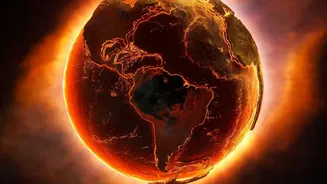
The situation creates a dangerous feedback loop. Climate change causes sea levels to rise and storms to intensify. These impacts then degrade and destroy the very coastal ecosystems that protect us from storms and store carbon. The destruction of these ecosystems releases more carbon, which further warms the planet, leading to even faster sea-level rise and more powerful storms. We are essentially dismantling our natural climate defenses at the exact moment we need them most. The loss of a mangrove forest not only exposes a community to greater storm surge but also triggers a carbon bomb that fuels the very climate change making those storms stronger.
The Ripple Effects on Life and Livelihoods
The consequences extend far beyond the carbon cycle. These vital ecosystems provide essential services that support coastal communities across India. They act as natural water filters, trapping pollutants and sediment running off the land, keeping our coastal waters clean. They are critical nursery grounds for a vast array of fish and crustaceans, supporting the livelihoods of millions of fishers. The destruction of a salt marsh or seagrass bed can lead to a collapse in local fish stocks, a decline in water quality, and increased "dead zones" where nothing can survive. Losing these habitats means losing our natural shoreline protection, a source of food security, and a cornerstone of the coastal economy.