





A Forecast for a Weaker Finish
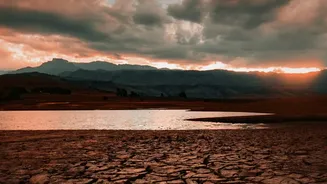
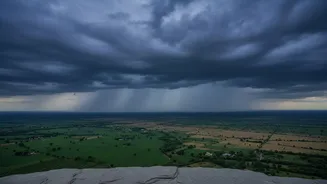
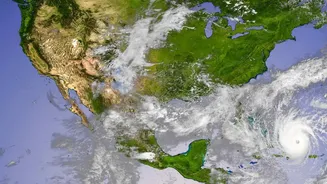
The IMD has predicted that rainfall for August and September is likely to be below normal for the country as a whole. Specifically, rainfall is expected to be less than 94% of the Long Period Average (LPA), a benchmark based on historical data. This below-normal
trend is also forecast for August individually. While July brought some recovery with near-normal rain, the final two months of the season are now anticipated to be subdued. This pattern is being influenced by a strengthening El Niño in the Pacific Ocean, a climate phenomenon often linked to weaker monsoon rains in India. While some parts of Peninsular, Central, and Northeast India may still receive normal to above-normal rain, the overarching national picture suggests a need for caution.
Why the Second Half is Critical
The performance of the monsoon in August and September is vital for India's water security. These two months are responsible for a significant portion of the total seasonal rainfall and are the last chance for reservoirs across the country to fill up before the dry season begins. This water is essential not just for drinking water supplies in major cities but also for generating hydropower and, crucially, for the rabi (winter) crop season, which depends heavily on stored reservoir water for irrigation. A shortfall during this period means less water in the national storage system, which can have ripple effects on food production and the economy well into the next year.
The Current State of Our Reservoirs
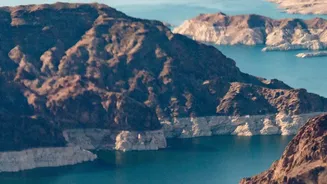
Attention now shifts to the current levels of India's major reservoirs. As of late July, the country's key reservoirs were reportedly at 44% of their total live storage capacity. While this marks an improvement week-on-week thanks to July's rainfall, it also highlights that many dams still have significant capacity to fill. For example, recent data for Mumbai showed its seven supplying lakes at a healthy 89% full, while the Srisailam reservoir in the Krishna basin was receiving its first major inflows of the season. However, the overall national picture remains one of dependence on the coming rains. A weaker end to the monsoon means the final water levels could be lower than desired, putting more pressure on water management authorities.
From Forecast to Farm-Level Planning
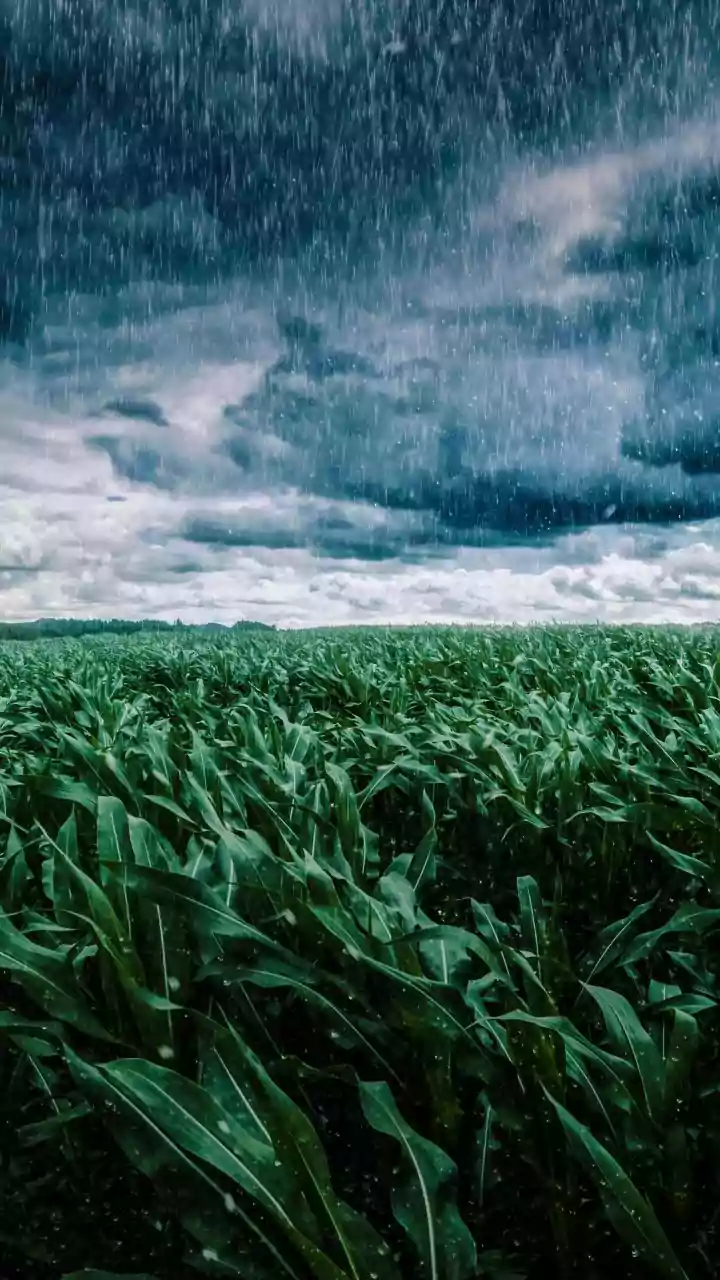
The IMD's forecast directly influences late-monsoon planning at both state and individual levels. For farmers, a prediction of below-normal rain can trigger a shift in strategy. This might involve choosing short-duration crop varieties that require less water or using techniques like alternate wetting and drying for paddy to conserve every drop. For state authorities, the focus will be on meticulously managing dam releases. They must balance the immediate needs of standing kharif crops with the necessity of saving water for future rabi sowing and drinking water needs. This delicate balancing act becomes even more challenging when the forecast points towards a deficit, making every decision on water allocation critically important.