



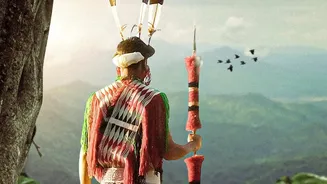
Often called the 'Festival of Festivals', the Nagaland Hornbill Festival is a vibrant mosaic of culture, colour, and community. It's where ancient traditions meet modern creativity, especially in its incredible showcase of local food and music.
The 'Festival of Festivals'
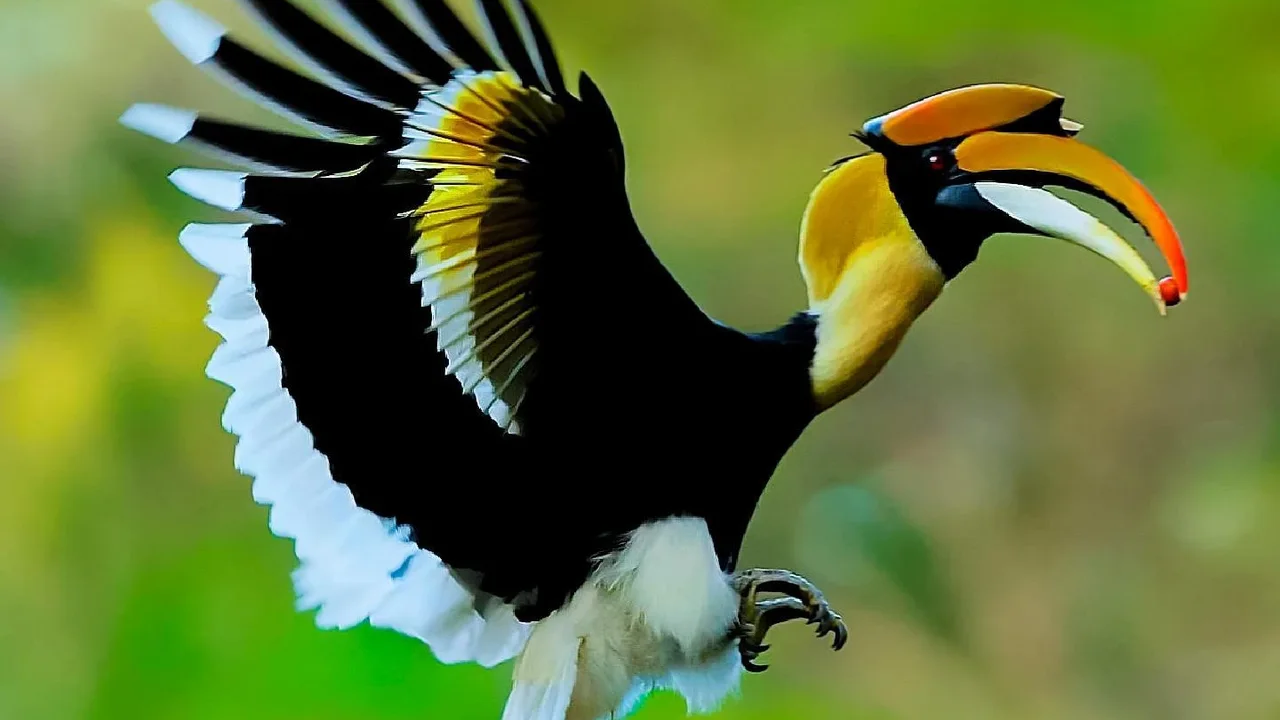
The Hornbill
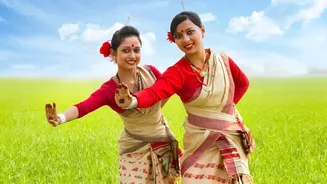
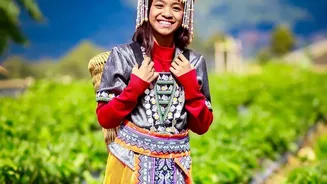
Festival is an annual ten-day event organised by the Government of Nagaland to celebrate the rich cultural heritage of its diverse tribes. First held in 2000, its primary aim was to encourage inter-tribal interaction and preserve the state's unique traditions for future generations. It is named after the great hornbill, a forest bird deeply respected and featured in the folklore of most Naga tribes. The festival brings all major Naga communities to one location to share their dances, songs, crafts, and rituals, making it a living museum of Naga culture. The celebrations kick off on December 1st, which also marks Nagaland's Statehood Day, adding to the event's significance.
When and Where It Happens
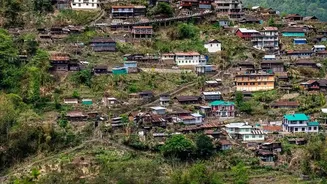
The 27th edition of the Hornbill Festival is scheduled to run from December 1 to December 10, 2026. The main venue is the Naga Heritage Village at Kisama, a purpose-built site located about 12 kilometres from the state capital, Kohima. The name 'Kisama' is a portmanteau of two neighbouring villages, Kigwema and Phesama, which donated the land for this cultural complex. The village is spread across a scenic hillside, featuring traditional houses called 'morungs', a central performance arena, craft bazaars, and food courts. While the daytime cultural events are centred at Kisama, many evening activities, including the music festival and night carnival, take place at different venues in and around Kohima.
A Journey Through Naga Kitchens
Food is a central part of the Hornbill experience, and the festival offers an unparalleled opportunity to explore Naga cuisine. The heart of this culinary journey is within the morungs, where each tribe serves its own authentic specialities. Visitors can walk from one morung to another, sampling a diverse range of dishes. A must-try is the smoked pork, often cooked with tangy bamboo shoot or with 'axone' (pungent fermented soybean), a signature Naga ingredient. Other popular dishes include 'Galho', a comforting rice porridge similar to khichdi that often contains smoked meat and vegetables, and freshwater fish cooked with bamboo shoots. For the adventurous, there's the fiery Naga king chilli chutney. To wash it all down, don't miss a cup of 'zutho', a traditional home-brewed rice beer. Vegetarian options like vegetable galho and bamboo shoot preparations are also available.
The Rhythms of Nagaland
The festival is a feast for the ears, showcasing a wide spectrum of musical talent. During the day, the main arena at Kisama echoes with traditional folk songs and the rhythmic beat of log drums as different tribes perform their ceremonial dances. But as evening falls, the focus shifts to contemporary music. The Hornbill Music Festival, organised by the state's Task Force for Music & Arts (TaFMA), hosts events in Kohima. A major highlight is the Hornbill International Rock Contest, one of India's biggest 'battle of the bands' competitions, which draws rock acts from across the country. The evening concerts feature a variety of genres, from folk-fusion to rock and pop, celebrating Nagaland's famed music scene and providing a platform for both established and emerging artists.
Navigating The Festival Venues
The primary venue, Kisama Heritage Village, is intelligently laid out. The morungs of the 17 participating tribes are clustered around a central amphitheatre, making it easy to wander between them. Each morung is a replica of a traditional community house and serves as a social and culinary hub for its respective tribe. Beyond the morungs, you'll find a dedicated food court with dozens of stalls, a crafts bazaar selling authentic hand-woven shawls and bamboo products, and even a WWII museum. In the evenings, the action expands to Kohima town, where a bustling Night Carnival offers more street food, music, and shopping opportunities. It's advisable to spend at least two full days at Kisama to soak in the cultural performances and explore the various attractions without rushing.