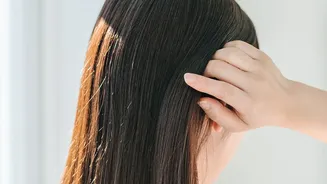




As winter arrives, the dry, cold air can strip moisture from your scalp, leading to itchiness, flaking, and irritation. This simple checklist will guide you through the essential steps to maintain a clean, hydrated, and healthy scalp.
Adjust Your Shower Temperature
A long, hot shower
might feel comforting on a cold day, but it's one of the main culprits behind a dry winter scalp. Extremely hot water strips the scalp of its natural protective oils, called sebum, leaving it dry, irritated, and vulnerable. This can lead to itchiness, increased flaking, and even weaken your hair roots over time. The solution is simple: turn down the heat. Opt for lukewarm water when washing your hair. It’s effective enough to cleanse properly without causing excessive dryness. This small change helps preserve your scalp's natural moisture balance, which is crucial for healthy hair.
Embrace the Champi Culture
The age-old Indian practice of oiling your hair, or 'champi', is especially beneficial during winter. The cold, dry air depletes the scalp's natural oils, but a regular oil massage can replenish this lost moisture. Oils like coconut, almond, or sesame penetrate the hair follicles, providing deep nourishment that conditioners alone cannot. A warm oil massage also boosts blood circulation in the scalp, delivering essential nutrients to the hair roots, strengthening them and reducing hair fall. For best results, warm the oil slightly before applying, massage it gently into the scalp for a few minutes, and leave it on for at least 30 minutes before washing with a mild shampoo.
Choose a Milder Shampoo
The shampoo that worked for you in the humid summer months might be too harsh for winter. Many shampoos contain sulphates, strong detergents that create a rich lather but can also strip your scalp of its natural moisture. During winter, when your scalp is already prone to dryness, using such products can worsen the problem. Switch to a gentle, hydrating, and preferably sulphate-free shampoo. Look for products with moisturising ingredients that cleanse without disrupting your scalp's delicate barrier. This helps in retaining moisture and reducing irritation and flakiness.
Don't Over-Wash Your Hair
Washing your hair too frequently is another common mistake that contributes to a dry scalp in winter. Each wash strips away natural oils, and in the cold season, your scalp produces less sebum to begin with. While it's important to keep your scalp clean to avoid buildup, washing every day might be doing more harm than good. For most Indian hair types, washing two to three times a week is sufficient to maintain cleanliness without causing severe dryness. Listen to your hair and scalp; if they feel dry and tight, try extending the time between washes.
Exfoliate Your Scalp Gently
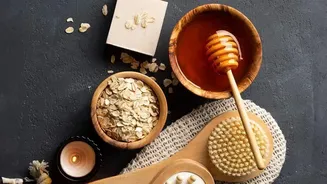
Just like the skin on your face, your scalp can benefit from occasional exfoliation. Product buildup, dead skin cells, and oil can clog hair follicles, leading to flakiness and itchiness. A gentle scalp scrub can help remove this buildup, allowing your scalp to breathe and better absorb the nutrients from your oils and masks. You can use a dedicated scalp scrub or look for shampoos with ingredients like tea tree oil, which has natural antiseptic properties that can help manage flakiness. However, be gentle and don't overdo it, as aggressive scrubbing can cause more irritation.
Hydrate From the Inside Out
Topical treatments are important, but true scalp health starts from within. Dehydration can affect your entire body, including the skin on your scalp. Ensure you're drinking enough water throughout the day to keep your skin, from head to toe, hydrated. A balanced diet rich in essential fatty acids, vitamins, and minerals also plays a crucial role. Foods containing omega-3s, found in walnuts and flaxseeds, and vitamins like C and E, can help nourish your scalp and promote strong, healthy hair growth.
Protect Your Hair Outdoors
When you step outside, your hair and scalp are exposed to cold winds and dry air, which can quickly zap moisture. Protect your hair by covering it with a hat or a scarf. This simple act creates a physical barrier against the harsh elements. When choosing a winter hat, consider the fabric. Materials like wool can sometimes be abrasive and cause friction or irritation. Opting for a hat lined with silk or satin can help minimise breakage and protect your hair and scalp more gently.