

Why Your Phone is a Perfect Stargazing Tool
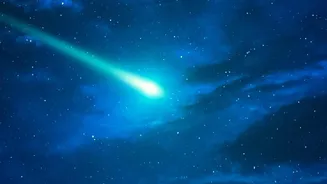
Not long ago, watching a meteor shower meant relying on star charts and a good sense of direction. Today, the pocket-sized computer you carry everywhere can guide you through the cosmos. The night sky can be intimidating. Where do you even begin to look?
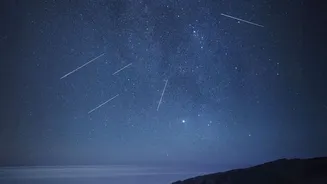
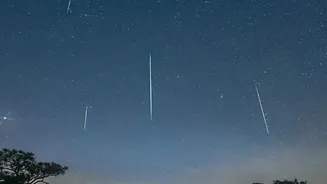
Modern astronomy apps solve this problem instantly. They use your phone's location and sensors to create a real-time map of the sky above you. Point your phone upwards, and the app will identify stars, constellations, and even planets. For an event like a meteor shower, this is invaluable. It can show you the 'radiant'—the point in the sky where the meteors appear to originate from—and send you a notification so you don’t miss the peak activity.
Key Features to Look For in an Astronomy App
With dozens of apps available, it’s easy to feel overwhelmed. Instead of downloading five different ones, focus on the features that are most helpful for watching meteors. First, look for an Augmented Reality (AR) Sky Map. This is the feature that lets you point your phone at the sky to see what’s there. Second, an event calendar with alerts is crucial; the app should notify you before a major meteor shower peaks. Third, a 'red light' or night mode is essential. Bright white light from your phone screen can ruin your night vision, but a red screen preserves it, allowing you to see fainter meteors. Finally, some apps offer a 'time travel' feature, letting you see what the sky will look like hours or days in the future, which is perfect for planning your viewing session.
Top Apps to Guide Your Meteor Hunt
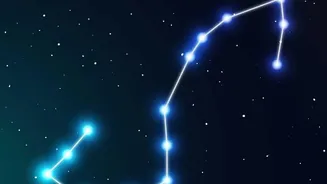
You don’t need to be a pro to use these. Star Walk 2 and SkyView Lite are two of the most popular and user-friendly choices available on both Android and iOS. Both have excellent AR sky maps that make finding constellations a breeze. Simply point your device, and they’ll overlay constellation art and star names onto your view. They also include calendars for celestial events. For those who want more granular detail, Stellarium Mobile is a fantastic planetarium app that offers a massive database of stars and deep-sky objects. It can simulate what the sky will look like from your exact location, which is a powerful planning tool. Most of these apps offer a feature-rich free version, with optional paid upgrades for more advanced data.
Your Step-by-Step Viewing Plan for the Perseids
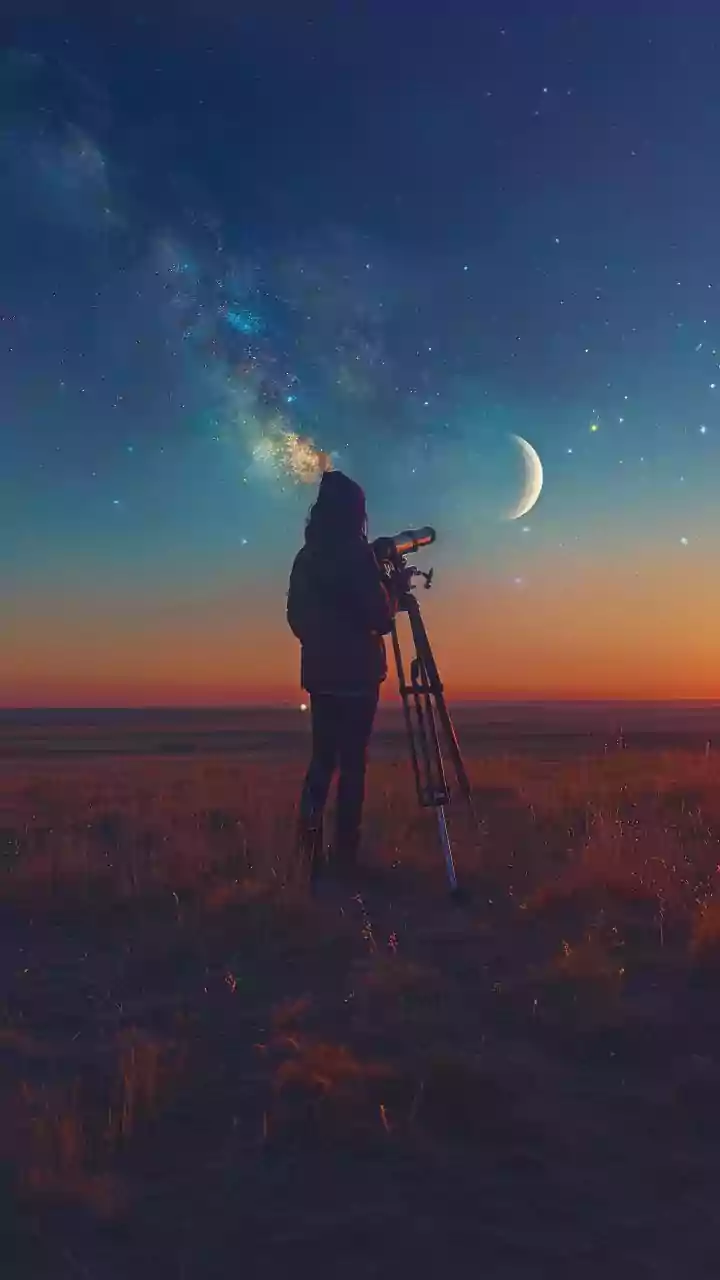
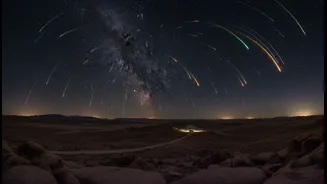
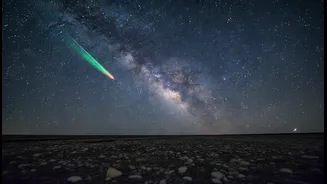
The upcoming Perseid meteor shower, peaking around August 12-13, 2026, offers a perfect opportunity to test out your new digital companion. Conditions are ideal this year, with a new moon ensuring the sky will be perfectly dark. First, find a dark location. City lights wash out all but the brightest meteors. Use an app like Light Pollution Map to find a 'dark sky' spot near you. In India, the biggest challenge is the monsoon, so check your local weather forecast for cloud cover. On the night of the peak, head to your spot and give your eyes at least 20 minutes to adjust to the darkness. Use your app's red light mode if you need to look at your phone. Point your device toward the northeast to find the constellation Perseus, the shower's radiant. But remember, you don't need to stare at the radiant; meteors can appear anywhere. The best tool is your own eyes, so lie back, look up, and enjoy the show.
Beyond the Shooting Stars
Once the meteor shower is over, don't delete the app. Your new celestial guide is useful year-round. You can use it to finally learn the names of the constellations you see every night. On your next evening walk, you can quickly identify that bright 'star' that is actually the planet Jupiter. Many apps can also track the International Space Station (ISS) and tell you exactly when it will be flying over your location, appearing as a bright, steady light moving silently across the sky. It’s a powerful tool for curiosity, turning any clear night into an opportunity for discovery and a chance to connect with the universe on a deeper level.