





What is Bonalu, Exactly?
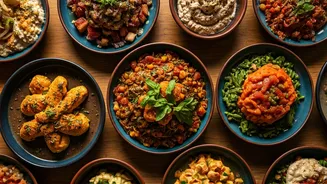
At its heart, Bonalu is a vibrant and deeply personal thanksgiving festival dedicated to the Mother Goddess, Mahakali. The name itself comes from 'Bonam', the Telugu word for a meal, which is the central offering. It's an annual affair celebrated across
Telangana during the month of Ashada Masam (typically July and August). The festival originated in the 19th century after a devastating plague hit Hyderabad. Devotees prayed to the Goddess for relief, promising to make offerings if the epidemic subsided. When it did, the tradition of offering a 'Bonam' as a gesture of gratitude was born. Since 2014, it has been recognised as Telangana's official state festival, a powerful symbol of regional culture and resilience.
Mapping Out Your Bonalu 2026 Visit
Bonalu isn't a single-day event; it unfolds over four Sundays across the twin cities of Hyderabad and Secunderabad, with each week focusing on a different major temple. For 2026, the key dates are the Sundays of July 19, July 26, August 2, and August 9. The festivities traditionally kick off at the historic Golconda Fort on the first Sunday. Celebrations then move to the Ujjaini Mahankali Temple in Secunderabad and Balkampet Yellamma Temple. The grandest and most crowded celebration takes place in the Old City of Hyderabad, primarily at the Sri Mahankali Temple in Lal Darwaza, on August 2. Knowing this schedule helps you decide where and when to immerse yourself in the experience.
Understanding the Core Rituals
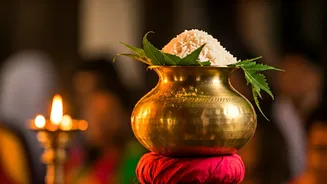
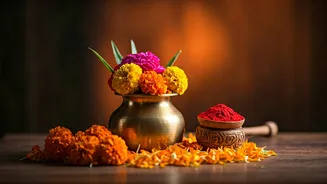
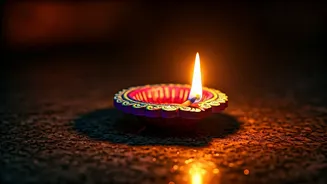
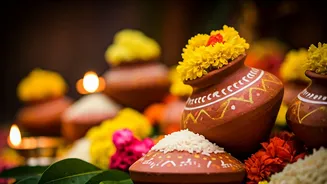
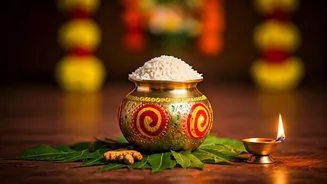
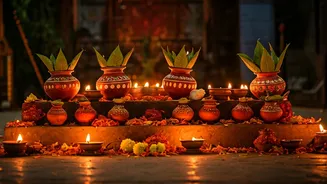
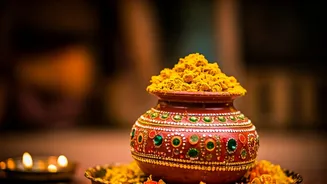
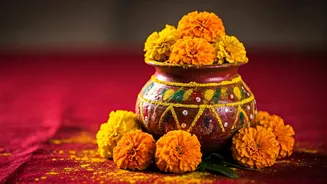
Three key elements define the Bonalu experience. The first is the 'Bonam' itself: a pot, often made of brass or clay, filled with a special preparation of rice cooked with milk and jaggery. Women decorate these pots with turmeric, vermilion, and neem leaves, top them with a lit lamp, and carry them in procession to the temple. Next is the 'Ghatam', a copper pot decorated to represent the Goddess. Carried by a priest, it is taken on a procession throughout the festival period before being immersed in water on the final day. Finally, there's 'Rangam', the oracle's prophecy, which takes place on the morning after the main celebrations. A woman, believed to be channelling the Goddess, foretells the year ahead for the community.
The Fierce Protector and the Prophetic Oracle
Among the most captivating sights is the Pothuraju, the Goddess's fierce brother. A bare-bodied man, smeared in turmeric and with a dramatic vermilion on his forehead, he leads the processions. With bells on his ankles and a whip in hand, he dances with an intense energy, clearing the path for the women carrying their offerings and warding off negative energies. His presence is both protective and theatrical, a core part of the festival's raw energy. The other key figure is the woman who performs the Rangam. In a trance, standing atop an unbaked clay pot, she answers devotees' questions about the future, her words considered a direct message from the Goddess.
Tips for a Respectful First Visit
To experience Bonalu authentically, it's important to be a mindful observer. The atmosphere is electric but also deeply sacred. Dress modestly in comfortable clothing, as you'll likely be on your feet for hours. Be prepared for massive crowds, especially around major temples, and loud, percussive music. While photography is common, be respectful. This is a religious ceremony, not just a photo opportunity. Avoid getting in the way of processions and be particularly considerate around individuals who may be in a trance. The best approach is to arrive early, find a safe spot on the procession route, and absorb the sights and sounds with an open mind. Let the devotion, colour, and community spirit be your guide.