




The Viral Garden Hack Explained
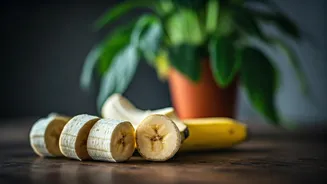
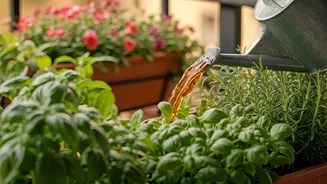
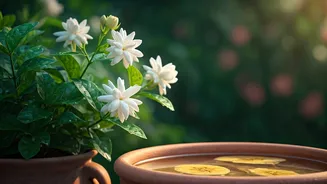
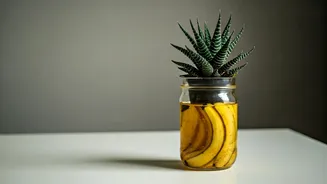
Across Instagram reels and TikTok videos, the recipe seems simple enough: take a banana peel, drop it in a jar of water, let it steep for a day or two, and then use that 'banana tea' to water your plants. Proponents claim this concoction is a liquid-gold
fertiliser, packed with nutrients that will 'supercharge' growth, boost flowering, and protect your green friends. It’s touted as a free, organic, and zero-waste alternative to store-bought plant food. The idea has spread like wildfire among plant parents looking for an easy, natural edge. But before you turn your kitchen into a peel-soaking station, it’s worth asking what’s really going on inside that jar.
What's Actually in Banana Water?
The core of the claim rests on the nutrients found in banana peels. Peels are indeed a good source of potassium, a vital macronutrient for plants. Potassium helps regulate water uptake, strengthens stems, and is crucial for flowering and fruiting. Peels also contain smaller amounts of calcium, which supports cell wall structure, and magnesium, a key component of chlorophyll. However, the key question is how much of these nutrients actually leaches into the water. The answer is, not very much. The process of soaking only extracts a small, diluted fraction of these minerals. Furthermore, banana water is notably deficient in nitrogen, the nutrient most responsible for lush, green leafy growth. So, while not entirely devoid of value, it is far from the complete, balanced meal that many online gurus suggest.
The Potential Perks for Your Plants
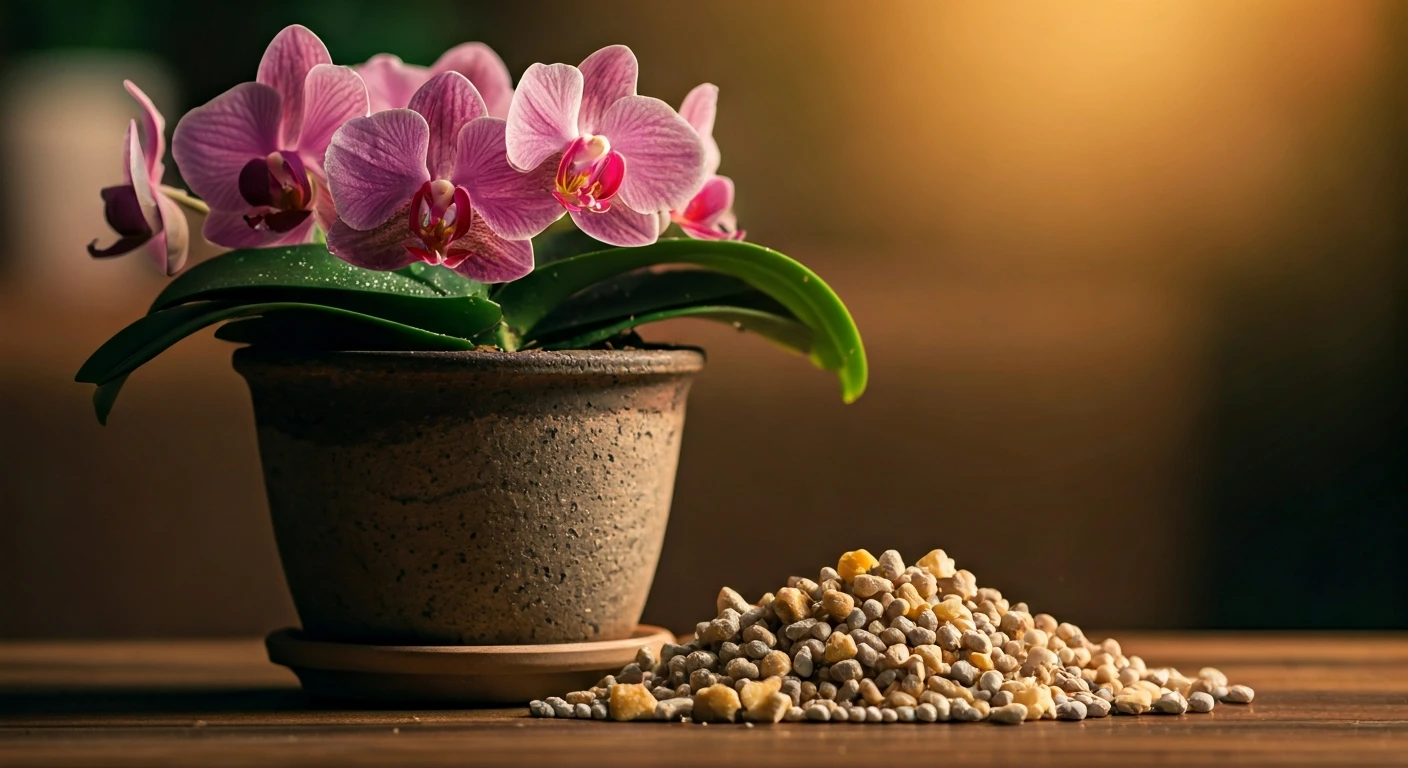
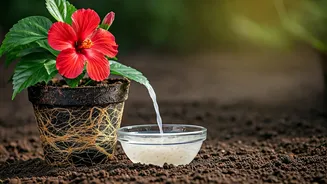
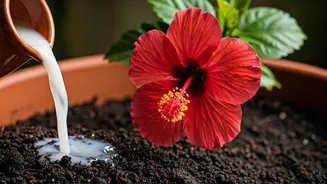
Let’s be fair—banana peel water isn’t completely useless. That small dose of potassium can be beneficial, especially for flowering plants like orchids, hibiscus, or African violets, which appreciate a little extra boost to help them produce blooms. For fruiting plants like indoor chillies or tomatoes, potassium is also a welcome addition. Think of it as a very mild, supplementary tonic rather than a primary food source. If you’re already using a balanced fertiliser, adding some banana water occasionally is unlikely to cause harm and might provide a minor top-up of specific minerals. It’s a gentle way to introduce some organic matter to your soil, which can be moderately beneficial for the soil microbiome.
Risks and Reality Checks
Unfortunately, this hack isn't without its downsides. The sugars that leach out from the peel along with the minerals can create a welcoming environment for pests. Fungus gnats, in particular, are attracted to the damp, decaying organic matter, and their larvae can damage plant roots. If left to soak for too long, the water can also begin to ferment and develop a foul odour, promoting the growth of mould and harmful bacteria both in the jar and on your plant’s soil. Perhaps the biggest risk is relying on banana water as your sole fertiliser. Plants need a balanced diet, and by providing only a whisper of potassium and very little else, you risk malnourishment and stunted growth over time.
A Better Way to Use Your Peels
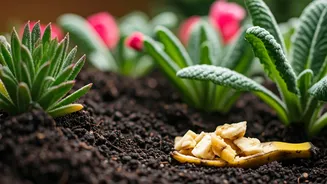
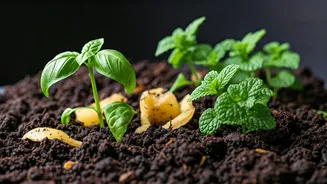
If you’re committed to trying it, do it safely. Use a fresh peel, chop it into smaller pieces to increase surface area, and soak it in a sealed jar for no more than 24-48 hours. Discard the peel and dilute the resulting 'tea' with an equal amount of plain water before using it to water your plants. This minimises the risk of bad smells and pest infestations. However, a far more effective way to harness the nutrients in banana peels is through composting. When you add peels to a compost bin, the decomposition process breaks them down completely, making the full spectrum of their nutrients available to your plants in a slow-release, balanced form. Chopping them up and burying them directly in the soil of outdoor garden beds (not recommended for indoor pots due to pests) is another more efficient method.