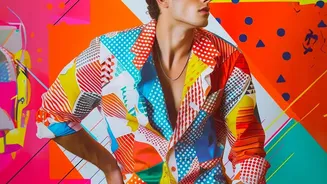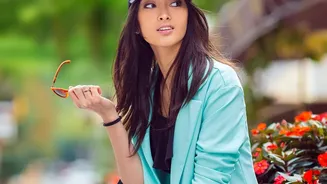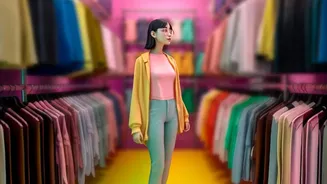


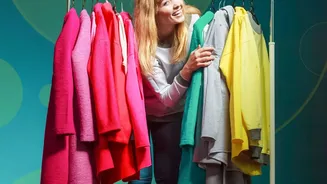
Feeling overwhelmed by a closet full of clothes but nothing to wear? You’re not alone. A quiet but powerful shift is underway, as more people are stepping off the fast-fashion treadmill and rediscovering the joy of personal style.
The Burnout Behind Constant Newness
For years, the fashion
industry has operated on a model of relentless speed. Trend cycles that once aligned with seasons now move at the speed of a social media scroll. This has led to an explosion of micro-trends and a culture of disposability, where clothes are designed to be worn a few times before being replaced. However, this constant pressure to keep up is leading to significant fatigue. Consumers are growing tired of the repetition and the feeling that their wardrobes are never quite current. The excitement of the new has been replaced by a sense of exhaustion, prompting a search for a more sustainable and satisfying relationship with clothing.
From 'More' to 'Mindful'
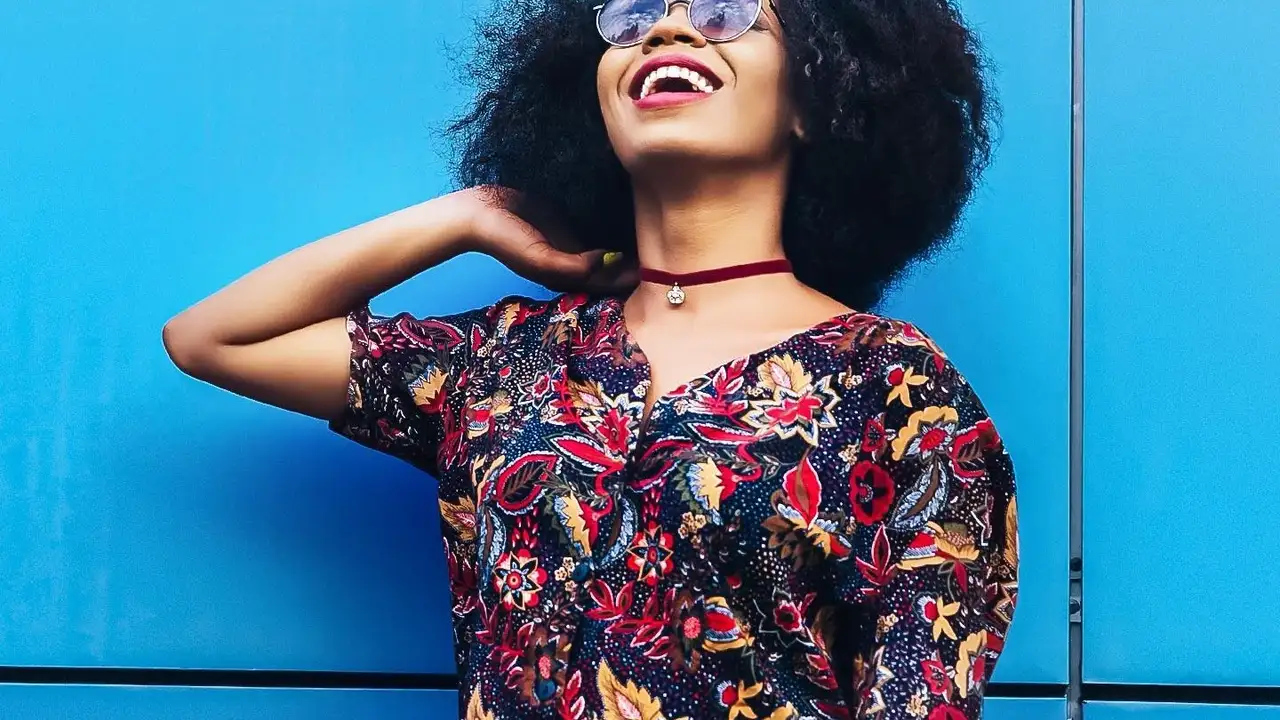
Several factors are driving this move towards more conscious consumption. Environmental awareness is a major catalyst, with a growing understanding of the massive textile waste produced by the fast fashion industry annually. This has spurred a movement towards what is now called 'slow fashion', which prioritizes durability, ethical production, and timeless design. Economics also plays a role, as shoppers look for better value by investing in quality pieces that last longer than a single season. Beyond the practical, there's a deeper search for authenticity. People are increasingly seeking to express their individual identity rather than conforming to fleeting, mass-produced trends. This desire for personal expression is leading many to reject the uniformity of mainstream fashion.
The Rise of the Personal Uniform
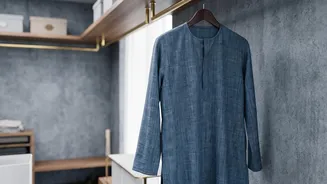
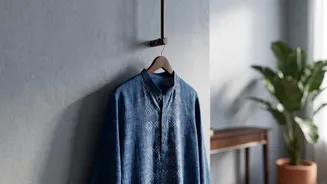
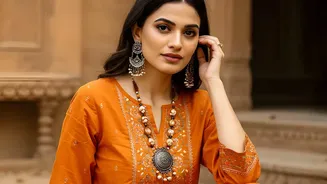
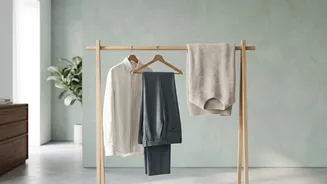
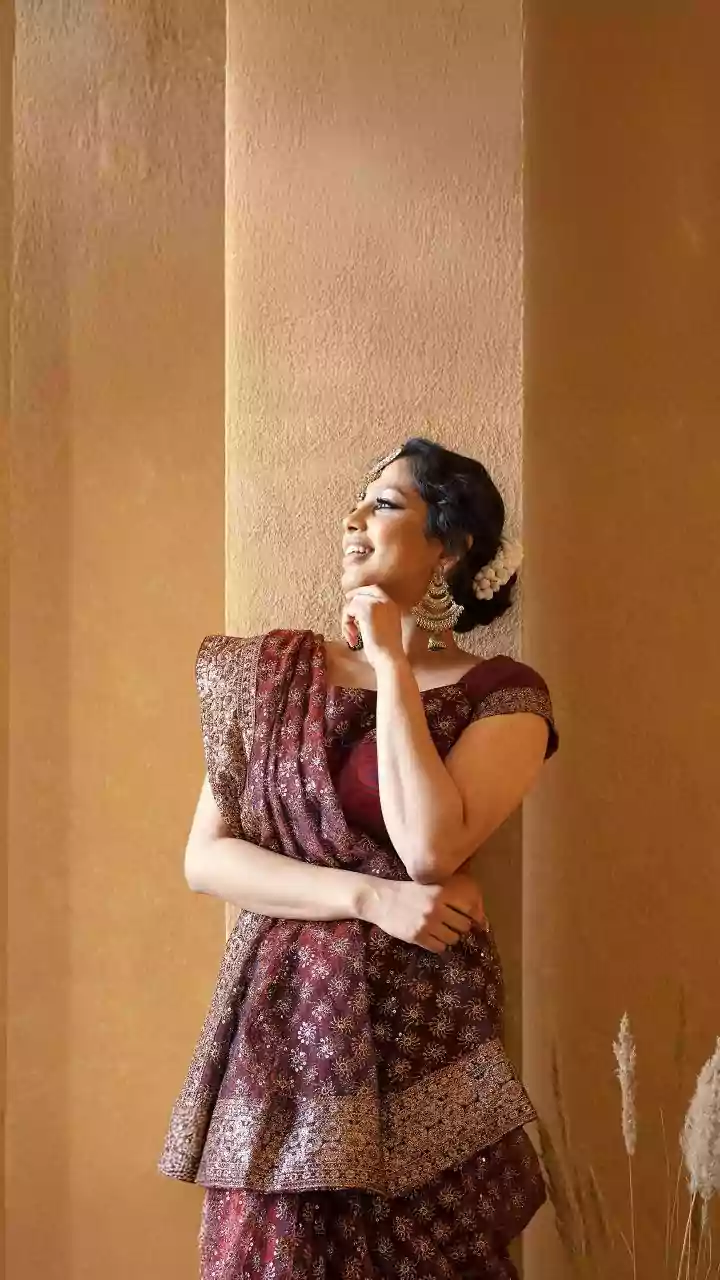
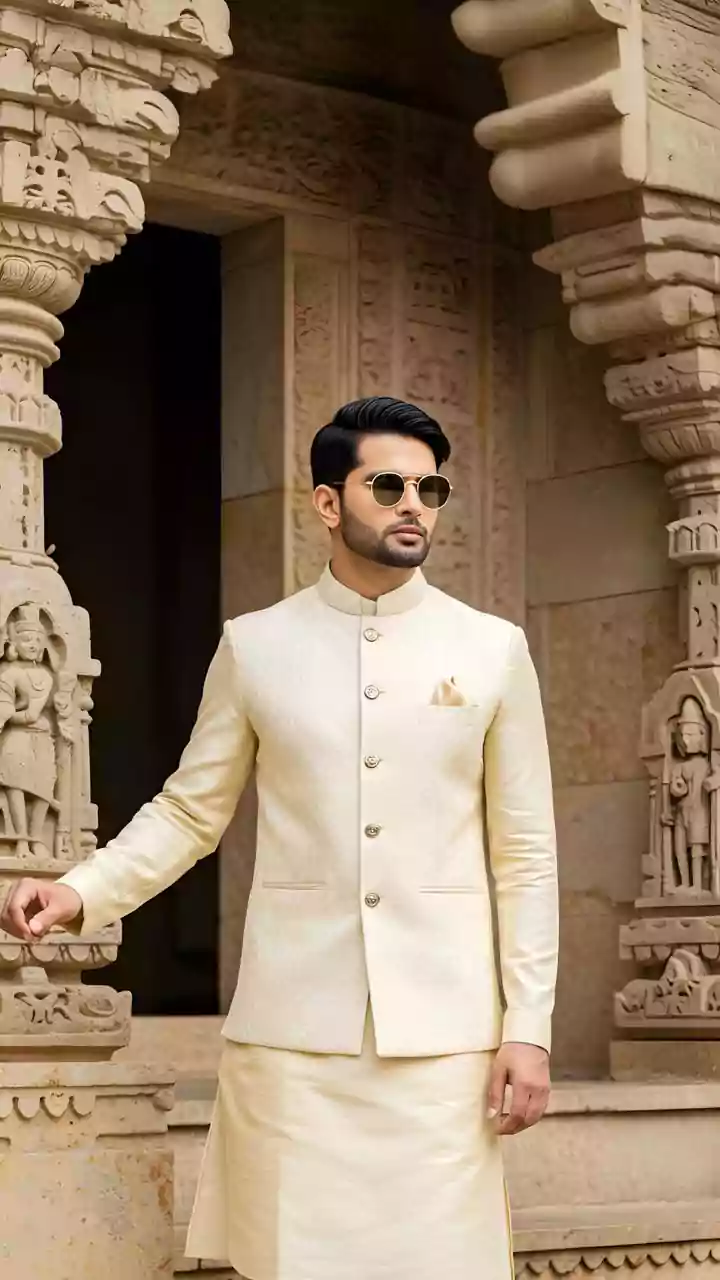
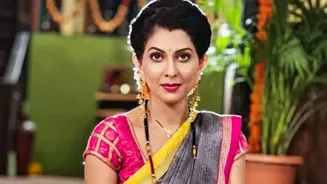
In place of trend-chasing, many are adopting a more curated approach. The concept of a 'capsule wardrobe'—a limited collection of versatile, high-quality essentials—has seen a significant surge in popularity. This isn't about restriction, but rather about refinement and making intentional choices. A capsule wardrobe encourages investing in timeless pieces that can be mixed and matched, reducing decision fatigue and ensuring you always have something to wear that you love. This movement also champions the idea of a 'personal uniform,' where individuals identify their signature style and build a wardrobe around it, ensuring their clothes reflect their personality rather than a passing fad. In India, this shift is also connected to a revival of traditional textiles like Khadi and handloom fabrics, which support local artisans and offer a rich heritage of sustainability.
A Digital Shift in Style
Social media, once the primary engine of fast-fashion trends, is also becoming a platform for this new consciousness. The era of the 'fashion haul', where influencers showcased huge volumes of newly purchased clothing, is giving way to a more critical perspective. The rise of 'de-influencing' sees creators encouraging their followers to avoid overhyped products and think more critically about their purchases. Instead of promoting disposability, many influencers are now focusing on styling existing clothes, promoting secondhand finds, and championing brands with transparent and ethical production practices. This digital conversation is helping to normalize a more mindful approach to fashion, proving that style and sustainability can go hand-in-hand.