





Purity: The 24K vs. 22K Divide
The first factor to consider is purity. Gold coins are typically available in 24 Karat (24K), which is 99.9% pure gold, making them the highest standard of purity available. This form is ideal for investment as you are paying for nearly pure gold. On
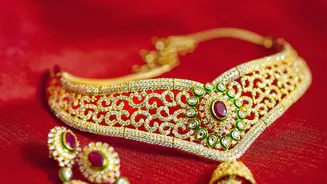
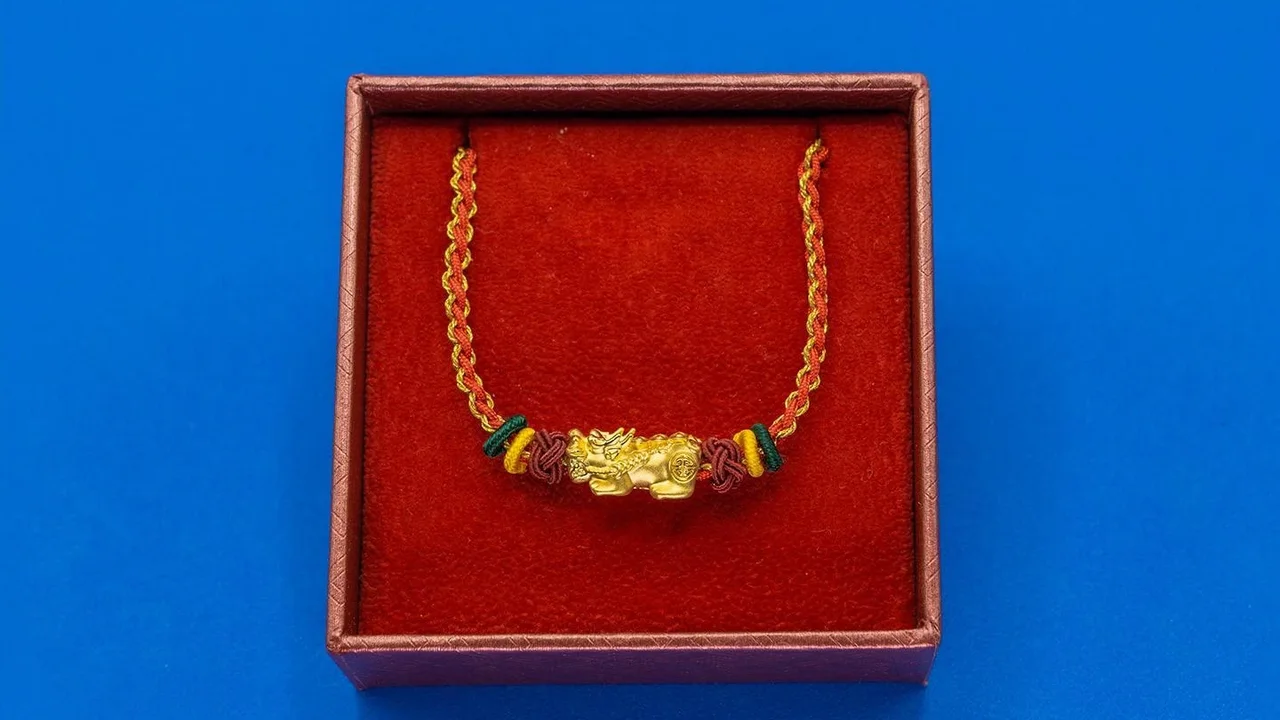
the other hand, most gold jewellery is made from 22 Karat (22K) or 18 Karat (18K) gold. 22K gold, for instance, contains 91.6% gold (hence the '916' stamp), with the rest being alloys like copper or silver. These alloys are necessary to make the jewellery durable enough for daily wear, as 24K gold is too soft. For a pure investment, the higher purity of a 24K coin is financially superior. To ensure authenticity, always look for the Bureau of Indian Standards (BIS) hallmark, which is mandatory and certifies the purity of the gold you are buying.
The Real Cost: Making Charges
This is where the financial difference becomes most stark. ‘Making charges’ are the costs of labour and craftsmanship required to turn raw gold into a finished product. For intricate jewellery designs, these charges can be substantial, ranging anywhere from 8% to over 25% of the gold's value. These charges are a sunk cost; you never recover them upon resale. In contrast, gold coins require minimal craftsmanship. They are typically machine-stamped, so their making charges are significantly lower, usually ranging from 1% to 4%. From a purely financial standpoint, paying high making charges for jewellery drastically reduces its efficiency as an investment, as that money is lost the moment you buy it.
Resale Value and Liquidity
When it's time to sell, coins almost always offer a better return. Since a gold coin's value is tied directly to its weight and high purity, you can expect to receive a price very close to the prevailing market rate for gold. Selling is straightforward because their value is standardised. Jewellery, however, is a different story. When you sell used jewellery, the buyer will only pay for the net weight of the gold after assessing its purity. The significant making charges you paid are completely disregarded. Furthermore, if the piece contains any stones, their weight is deducted. This means the resale value of jewellery is inherently lower, often fetching 10-15% less than what you paid for the gold itself. Coins, therefore, offer higher liquidity and a much better resale value.
Taxation: A Level Playing Field
When it comes to the Goods and Services Tax (GST), the field is relatively level at the point of purchase. In India, a 3% GST is applied to the value of gold, whether it's in the form of a coin or jewellery. However, there is a crucial difference: a separate 5% GST is also levied on the making charges for jewellery. Since jewellery has much higher making charges, the overall tax outgo becomes higher compared to a coin of the same gold value. When you sell, any profit is subject to capital gains tax, which applies to both coins and jewellery.
The Final Verdict: Investment vs. Adornment
The choice between a gold coin and jewellery ultimately comes down to your primary purpose. If your goal is purely financial investment—to store wealth, hedge against inflation, and ensure maximum returns upon selling—the gold coin is the undisputed winner. Its higher purity, negligible making charges, and superior resale value make it the logical, sensible choice for an investor. Gold jewellery, on the other hand, should be seen as a purchase for adornment and cultural significance, with its investment aspect being secondary. You are paying a premium for the design and the pleasure of wearing it. While it holds value, it is not the most efficient vehicle for financial growth. For a balanced approach, many choose to build their core investment portfolio with coins and bars while buying jewellery for personal use and special occasions.