





What are BS-VII Norms?
Bharat Stage Emission Standards (BSES) are regulations instituted by the government to control the output of air pollutants from internal combustion engine equipment, including motor vehicles. Think of them as a progressively tightening sieve. India is currently
on BS-VI, which was a major step up that took effect in April 2020. Now, the Ministry of Road Transport and Highways (MoRTH) has released draft notifications for BS-VII, aiming to bring even stricter controls and align India's standards more closely with global best practices, like Europe's Euro 7. The proposed rollout is planned in phases, starting with passenger cars and SUVs from April 1, 2029.
The Big Shift: Real-World Testing
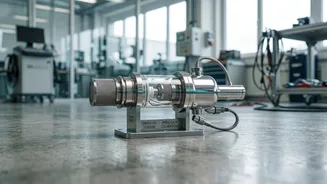
A key feature of the upcoming norms is the enhanced focus on Real Driving Emissions (RDE) testing. For years, vehicle emissions were tested in controlled laboratory conditions, which often don't reflect the reality of Indian roads with their traffic jams, varying speeds, and sudden braking. RDE testing uses portable devices called Portable Emissions Measurement Systems (PEMS) attached to a vehicle while it's being driven on actual roads. This ensures the car meets emission standards in the real world, not just in the lab. While RDE was introduced in the second phase of BS-VI, the BS-VII proposal aims to make these on-road tests even more stringent.
Beyond the Tailpipe
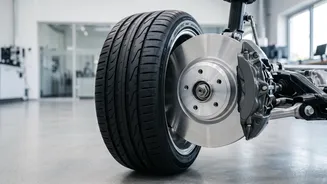
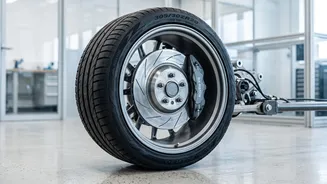
For the first time, Indian regulations will look beyond exhaust fumes. The proposed BS-VII rules also plan to regulate non-exhaust sources of pollution, a significant move for cleaner air. This includes setting limits on particulate matter generated from brake wear and microplastics from tyre abrasion. These sources are important because even electric vehicles, which have zero tailpipe emissions, still produce pollution from their brakes and tyres. Phase 2 of the proposal, starting in 2031 for passenger cars, introduces specific limits for brake particle mass.
New Rules for EVs and On-Board Monitoring
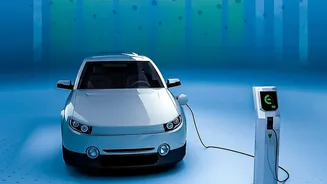
The draft rules also bring electric vehicles into the regulatory fold by proposing durability standards for their batteries. For example, a battery in an EV or plug-in hybrid would need to retain at least 75% of its capacity after five years or 100,000 km. Furthermore, all vehicles will need to be equipped with advanced On-Board Monitoring (OBM) systems. These systems will continuously track emissions like nitrogen oxides (NOx) and particulate matter, and can flag when they exceed prescribed limits, ensuring compliance throughout the vehicle's lifetime.
What This Means for Car Buyers and Manufacturers
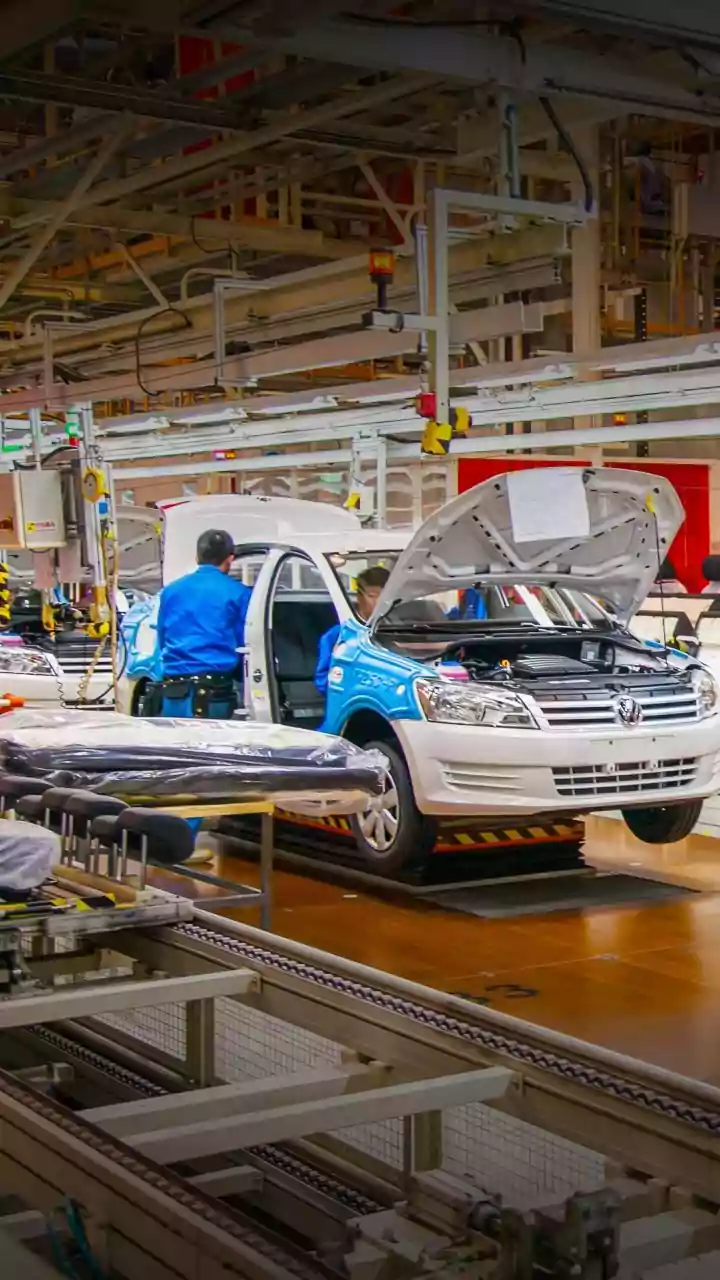
For automakers, complying with BS-VII will require significant technological upgrades and investment in research and development, particularly for engine and exhaust systems. Industry executives have noted the timeline could be challenging, potentially disrupting product schedules. For consumers, this technological upgrade will likely translate to higher vehicle prices. However, the long-term benefits are cleaner air and more technologically advanced vehicles. The new norms will also introduce an 'Environmental Vehicle Passport', giving buyers clear data on a car's emissions, fuel economy, and battery health.