


The Rise of Curated Chaos
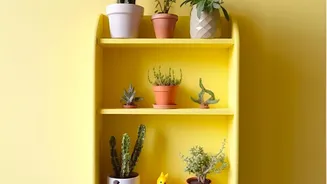
You know the look: shelves overflowing with books stacked horizontally and vertically, tiny potted plants, quirky ceramics, and a dozen other treasures. This trend, often called “cluttercore” or maximalism, turned our shelves into personal museums, designed
to tell a story for social media. It was a rebellion against sterile minimalism, a chance to showcase personality through an abundance of carefully arranged objects. The goal was to create a rich, layered look that felt lived-in and deeply personal. Every item had a purpose, even if that purpose was just to add to a beautiful, intentional mess. This aesthetic celebrated accumulation and visual stimulation, turning a simple bookshelf into a statement piece brimming with stories.
The Inevitable Dusting Dilemma
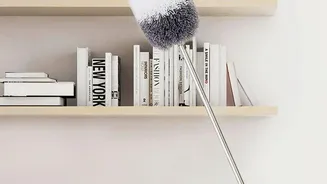
The problem with these beautiful, complex displays is a practical one: they are a nightmare to clean. Each of those tiny, precious objects, artfully placed, collects dust. A simple swipe with a cloth is impossible. Proper dusting requires carefully removing every single item, wiping it down, cleaning the shelf surface, and then attempting to recreate the perfectly imperfect arrangement. What started as a joyful expression of self quickly became a weekly, high-maintenance chore. This practical downside is a major factor driving homeowners to reconsider the cluttered look, yearning for a home that is both beautiful and easier to maintain.
A Shift Toward 'Quiet Luxury' and Simplicity
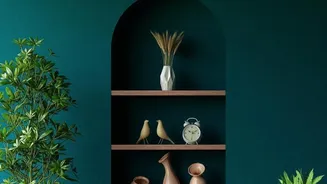
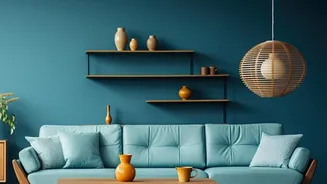
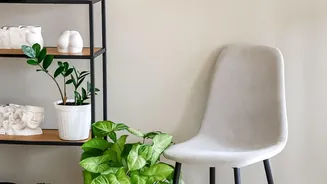
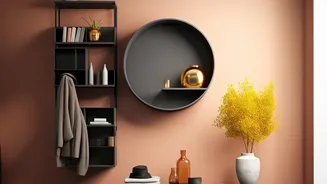
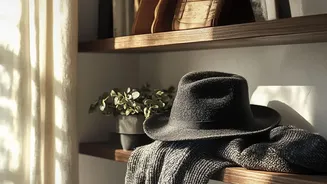
Now, the pendulum is swinging back. In 2026, trends are moving away from chaotic abundance and toward more intentional, simplified arrangements. This isn't a return to cold, empty minimalism, but rather a more considered approach. Terms like “quiet luxury” and “functional decor” are gaining traction. Homeowners are seeking calm, organized environments that reduce stress rather than add to it. The new maximalism is about meaning, not just more stuff; it’s about curating a few special pieces rather than displaying everything at once. This evolved 'shelfie' features fewer, higher-quality items, creating a space that feels both personal and peaceful. The focus is on quality over quantity and creating a serene space that is easier to manage.
Embracing the Ease of a Cleaner Shelf
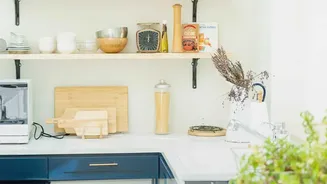
The most significant benefit of this trend reversal is purely practical: easier cleaning. Fewer items on a shelf drastically cut down on dusting time. With more open space, a quick wipe is all that’s needed. This shift prioritizes function and ease of maintenance, recognizing that a home should be a sanctuary, not a source of endless chores. To adopt this style, you don't have to get rid of everything you love. Instead, try rotating your treasures. Display a few favorite objects for a season, then switch them out. Group smaller items together on a decorative tray, which can be lifted and moved as one unit for dusting. The idea is to create breathing room, allowing each object to stand out without contributing to a sea of clutter.