


Plan Your Weekly Menu
Success starts with a simple plan. Before you shop, decide what you want to eat for the week. You don’t need complex recipes; think in terms of components you can mix and match. For instance, plan to have a base of rice, a couple of dals, and a few versatile
vegetable dishes. A sample plan could be: dal tadka and rice for two days, chana masala with rotis for another two, and a mixed vegetable curry for the rest. Having a clear plan prevents impulse buys and food waste, ensuring you only buy what you absolutely need.
Shop Smart, Shop Seasonal
A student budget requires savvy shopping. Focus on pantry staples that are inexpensive and have a long shelf life, such as rice, lentils (dal), chickpeas (chana), and whole wheat flour (atta). When it comes to vegetables, always opt for seasonal produce as it is cheaper and fresher. Create a detailed shopping list based on your weekly plan and stick to it. Buying certain items like onions, potatoes, and tomatoes in larger quantities can often be more cost-effective. These form the base of most Indian vegetarian dishes and are essential to have on hand.
The Power of Base Gravies
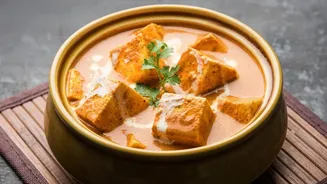
This is the ultimate Indian meal prep hack that saves incredible amounts of time. Instead of making a fresh masala every day, prepare a large batch of a basic onion-tomato gravy. Sauté chopped onions, ginger-garlic paste, and pureed tomatoes with your preferred spices like turmeric, coriander, and cumin powder. Once cooked and cooled, you can store this base in the refrigerator for up to a week or freeze it in an ice cube tray for longer storage. When it's time to cook, just take a portion of the gravy, add your vegetables or paneer, and your curry is ready in minutes.
Batch Cook Grains and Legumes
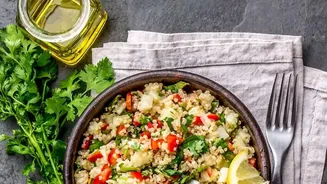
Cooking grains and legumes from scratch daily can be time-consuming. Dedicate some time during your prep session to boil a large batch of rice, quinoa, or millets. Once cooled, store it in an airtight container in the fridge. Similarly, pressure-cook lentils and beans like toor dal, moong dal, chana, or rajma. You can store the plain, boiled dal and simply add a fresh 'tadka' (tempering) of spices, garlic, and chillies just before serving to make it taste fresh every time. This ensures you always have a filling, protein-rich component ready to go.
Prep Vegetables for the Week
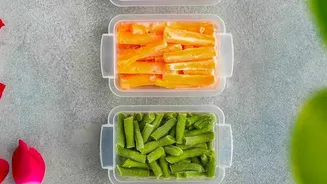
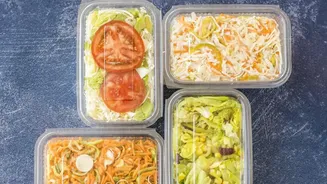
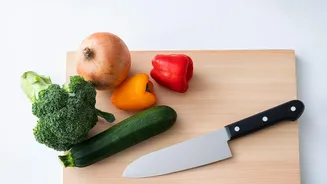
Chopping vegetables can be a daily chore. You can easily prep many vegetables in advance to streamline your cooking process. Hardy vegetables like carrots, bell peppers, beans, and cauliflower can be washed, chopped, and stored in airtight containers or zip-lock bags in the refrigerator for several days. However, vegetables with high water content, like onions and tomatoes, are best chopped fresh or used in your base gravy. For leafy greens like spinach, wash and dry them thoroughly before storing them wrapped in paper towels inside a container to maintain freshness.
Assemble 'Ready-to-Cook' Kits
Take your prep a step further by creating kits for specific meals. For example, if you plan to make a vegetable stir-fry, place the chopped bell peppers, carrots, and beans for a single portion into one container. For a 'gobi paratha', you can store grated cauliflower with chopped green chillies and coriander together. This 'grab-and-cook' system is perfect for busy mornings or late nights when you need to prepare a meal quickly without thinking. You can also knead dough for rotis or parathas and store it in an airtight container in the fridge for 2-3 days.