




Start with Your Budget
Before you start dreaming of destinations, ground your plans in financial reality. A clear budget is the most important factor in narrowing down your options. Consider the total cost: flights, accommodation, daily expenses for food and activities, and visa
fees. A budget-friendly solo trip to Southeast Asian countries like Vietnam or Thailand can often be managed within ₹50,000 to ₹70,000 for a week. In contrast, a trip to Europe might require a budget of ₹1 lakh to ₹1.5 lakh. For domestic travel within India, daily expenses can be as low as ₹700-₹800 if you stay in hostels and eat locally. Breaking down your expected costs per day helps you understand how long you can afford to travel and which destinations are viable. Remember that solo travel can sometimes be 30-50% more expensive than travelling as a couple due to single-room supplements.
Prioritise Safety and Comfort
For any solo traveller, safety is paramount. Start by researching your potential destinations thoroughly. Look for information on safety for tourists and read recent reviews from other solo travellers. For a first solo trip, it's often wise to choose a destination with a well-established tourist infrastructure, such as Rishikesh or Goa in India, or Thailand and Singapore internationally. These places are accustomed to tourists and often have a strong network of hostels and guesthouses, making it easy to meet fellow travellers. Always book your accommodation in advance, choosing places with good reviews. Before you leave, share your itinerary with a friend or family member back home and consider registering with your embassy online if travelling abroad. It's also crucial to be aware of your surroundings, avoid isolated areas after dark, and not overshare personal details like your accommodation location with strangers.
Check the September Weather
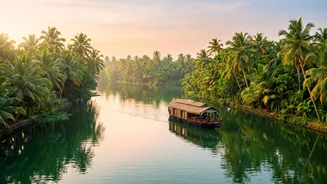
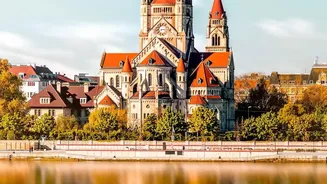
September is a transitional month for weather in many parts of the world. In India, it can mean the tail-end of the monsoon, resulting in lush, green landscapes in places like Kerala or the Western Ghats. In Europe, it’s the beginning of autumn, often bringing mild temperatures and fewer tourists. For Southeast Asia, countries like Vietnam experience a shift from the rainy to the dry season, making it a comfortable time to visit. Your weather preference is key. Do you want sunny beaches, cool mountain air, or pleasant city-strolling weather? A quick search for the typical September climate in your shortlisted destinations will prevent you from booking a beach holiday during a rainy season or a trekking trip in uncomfortable heat.
Align with Your Travel Style
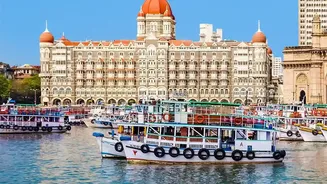
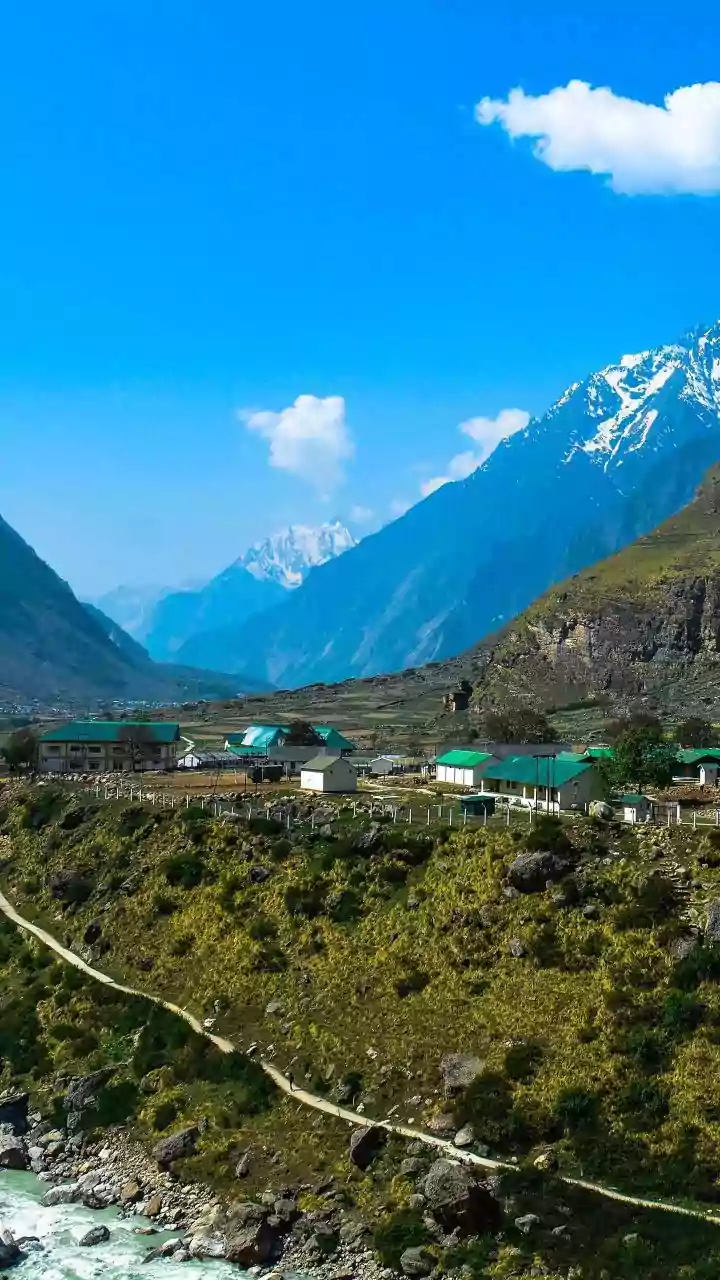
The best solo trip is one that matches your personal interests. Ask yourself what you want to get out of this getaway. Are you seeking adventure, relaxation, cultural immersion, or a spiritual retreat? If you're an adventure junkie, the mountains of Himachal Pradesh or trekking in Nepal might be ideal. For spiritual seekers, destinations like Varanasi, Rishikesh, or Bhutan offer a peaceful environment. If you're a foodie or love vibrant city life, consider places like Mumbai, Bangkok, or Hanoi. Beach lovers might gravitate towards Goa, Varkala, or the islands of Indonesia. Making a list of your must-have experiences—be it yoga, hiking, museum-hopping, or simply relaxing in a café—will help you filter out destinations that don't align with your vision for the trip.
Evaluate Accessibility and Vibe
Finally, consider the practicalities of travel. How long will it take to get there, and what is the visa situation? Some countries popular with Indian travellers, like Thailand, Vietnam, and Sri Lanka, offer visa-free or visa-on-arrival options, saving you time and hassle. Also, think about the local vibe. Do you want a destination with a buzzing social scene where it's easy to meet other people, like Goa or Chiang Mai? Or do you prefer a quieter, more introspective experience? Reading blogs and watching travel vlogs from other solo travellers can give you a real feel for a place's atmosphere. Choosing a destination that feels right is just as important as the practical details.