

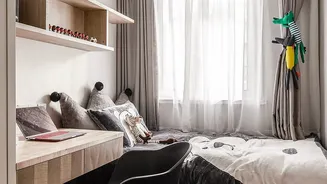
What Exactly Is Reversible Design?
At its core, reversible design is the practice of making temporary, non-damaging upgrades to a space that can be completely undone before moving out. Think of it as decorating with an exit strategy. The goal is to personalise your home without leaving
a trace, ensuring you get your full security deposit back. This approach moves beyond simply hanging posters to encompass a range of clever, stylish modifications that can dramatically alter a room's look and feel. From peel-and-stick wallpapers that mimic high-end finishes to lighting fixtures you can swap out and reinstall later, reversibility is about creative freedom without commitment or consequence.
The Renter's Case for Reversibility
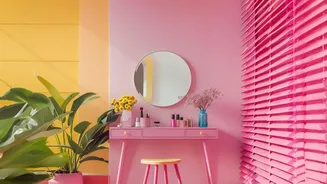
For tenants, the benefits are obvious and transformative. The primary advantage is the freedom to infuse personality into a space that can otherwise feel sterile and impersonal. Instead of living with bland walls or dated kitchen backsplashes, renters can experiment with colours, patterns, and textures. This ability to customise fosters a stronger sense of ownership and emotional connection to the home, even if it's temporary. Furthermore, it’s a financially savvy strategy. By choosing non-permanent solutions, renters avoid the risk of costly penalties for damages, making it a practical way to nest without the stress.
Why Landlords Are On Board
This trend isn't just for tenants; landlords are also seeing the upside. When renters use reversible techniques, it significantly reduces the landlord's need to repair and repaint between occupants, saving both time and money. A well-cared-for property is more likely to be returned in its original condition. Some landlords even view tenant-led, reversible upgrades as a bonus, as they can make a property more appealing to future renters without any investment on their part. Ultimately, a tenant who feels at home is often a happier, more responsible, and longer-term tenant, which benefits everyone involved.
Putting Reversible Design into Practice
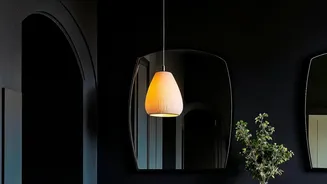
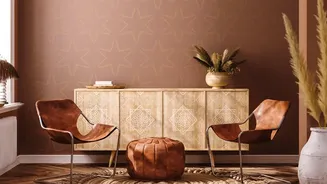
Applying this concept is easier than ever, thanks to a growing market of renter-friendly products. Blank walls can be transformed with removable peel-and-stick wallpaper, which comes in countless designs, from intricate Indian patterns to modern geometric prints. Ugly kitchen or bathroom tiles can be covered with adhesive tile stickers that are durable and water-resistant. Dated light fixtures can be swapped for more stylish ones, provided you store the original to reinstall before you leave. Even floors can be upgraded with interlocking deck tiles on a balcony or large, statement rugs that hide unappealing flooring. Other simple, high-impact changes include using tension rods for curtains to avoid drilling, and leaning large mirrors or artwork against walls.
A Mindset Shift in Decorating
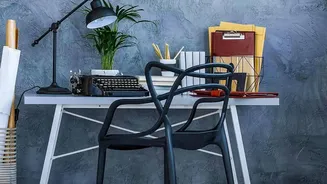
Beyond specific products, reversibility is about a change in mindset. It encourages renters to invest in decor and furniture that is adaptable and mobile. Think modular shelving that can be reconfigured for a new space, or functional statement furniture that defines a room without altering its structure. It’s about choosing high-quality items that you love and can take with you, rather than making permanent changes to a property you don't own. This focus on movable, personal assets empowers renters to build a home that reflects their identity, no matter where they live.