






The Power of Nostalgia
At its heart, this trend is powered by nostalgia. For many, films like 'Dilwale Dulhania Le Jayenge' or 'Kabhi Khushi Kabhie Gham' are not just movies; they are cherished memories of growing up. Watching them on the big screen again is an opportunity
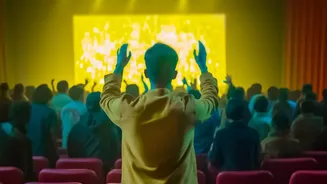
to relive those moments, a powerful pull that translates directly into ticket sales. This isn't limited to one generation; for millennials, it might be 'Yeh Jawaani Hai Deewani' or 'Jab We Met', while Gen Z gets to experience films they've only seen on phones and laptops in a proper theatrical setting. The screenings often turn into fan events, with audiences dressing up, singing along, and celebrating a shared cultural touchstone, proving that the magic of these films endures even when they are freely available on streaming platforms.
Smart Economics for Cinemas
For theatre owners, re-releasing old films is a low-risk, high-reward business move. Acquiring the rights to screen a classic is significantly cheaper than banking on a new, unproven blockbuster. These films help fill seats, especially during weekdays or periods with a weak pipeline of new movies. Even with lower ticket prices, which make the outing more accessible for families and students, the increased footfall drives crucial revenue from concessions like popcorn and drinks. Major chains like PVR INOX have embraced this, finding that re-releases can sometimes outperform new films and contribute a significant slice of their revenue. It provides a steady stream of content and keeps audiences engaged with the theatrical experience, even when the latest releases fail to deliver.
Redemption for Cult Classics
The re-release phenomenon is also giving a second life to films that didn't get their due on their initial run. Movies like 'Tumbbad', 'Laila Majnu', and 'Sanam Teri Kasam' were either ahead of their time or simply failed to find a large audience initially. However, over the years, they built strong cult followings through streaming and social media. Their return to cinemas has been met with remarkable success. 'Sanam Teri Kasam', a box office bomb in 2016, became the highest-grossing re-released Indian film in 2025, earning far more in its second run than its first. This proves that a film's legacy can evolve and that a dedicated fan base, cultivated online, can translate into real-world box office success.
A New Generation of Viewers
This trend is not just about older audiences reliving the past. A key driver is Gen Z's 'fear of missing out' (FOMO). Younger viewers, who have discovered iconic scenes and songs through Instagram Reels and other social media, are eager to experience these cultural moments on the big screen as they were intended. For them, watching 'Rockstar' or 'Gangs of Wasseypur' in a packed theatre is a new experience, not a nostalgic one. It allows them to connect with a piece of film history and understand the context behind the memes and viral clips they see online, bridging the gap between generations of movie lovers.
A Sustainable Strategy or a Creative Crutch?
While exhibitors and producers celebrate the financial benefits, some see the heavy reliance on re-releases as a sign of a creative slump in the industry. When old hits consistently draw bigger crowds than new films, it raises questions about the quality and appeal of current Bollywood offerings. The argument is that studios are playing it safe, leaning on a guaranteed nostalgia-driven audience rather than investing in fresh, risky ideas. However, others see it as a win-win situation. The re-releases operate in their own market, often without hurting the collections of new movies, and provide a much-needed buffer for theatres. For now, it seems this blend of past and present is a permanent and welcome feature of the Indian cinema landscape.