





Master the Art of Layering
The secret to comfort in the humid and wet conditions of the Ghats isn't one heavy jacket, but a system of layers. Start with a moisture-wicking base layer made of synthetic fabric like polyester, not cotton. Cotton absorbs moisture and takes a very long
time to dry, leaving you feeling cold and damp. Over this, add a fleece or another synthetic mid-layer for warmth, which you can easily remove if the weather clears. This layering approach allows you to adapt to the sudden temperature changes common on monsoon treks.
Waterproof Your World from the Inside Out
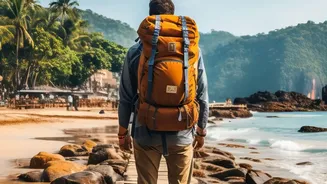
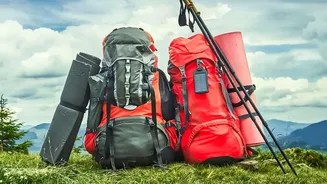
Most backpacks are water-resistant, not fully waterproof, and a simple rain cover often isn't enough for the sustained downpours in the Western Ghats. Water inevitably seeps through seams and zippers during hours of trekking. The professional trick is to waterproof from the inside. Line your entire backpack with a large, heavy-duty plastic bag or a pack liner before you start packing. Then, compartmentalise your gear—clothes, electronics, snacks—into smaller waterproof dry bags or even sturdy ziplock bags. This double-bagging method ensures that even if your pack gets soaked, your critical gear remains perfectly dry.
Choose Quick-Dry Clothing, Not Cotton
When it comes to monsoon trekking, fabric choice is everything. Leave your denim jeans and cotton t-shirts at home. Instead, opt exclusively for quick-drying synthetic materials like nylon and polyester for your trekking pants and shirts. These fabrics don't hold water, are lightweight, and allow your skin to breathe, which is crucial in high humidity. Full-sleeved shirts and full-length pants also offer added protection against insect bites and scratches from overgrown trails.
Rethink Your Footwear and Foot Care
Your feet are your most valuable asset on a trek, and keeping them healthy is paramount. While waterproof trekking shoes sound ideal, they can sometimes trap water that gets in over the collar, creating a mini-foot-bath. Many experienced trekkers prefer shoes with good drainage and a strong grip, paired with waterproof or quick-dry synthetic socks. Never use cotton socks. A crucial addition to your kit should be a pair of lightweight sandals or floaters for river crossings and to let your feet breathe at the campsite. Also, pack anti-fungal powder and apply it daily to prevent infections, a common issue in persistently damp conditions.
Embrace the Power of a Poncho
A rain jacket is good, but a high-quality poncho can be a game-changer. Unlike a jacket, a large poncho can cover both you and your backpack, offering an encompassing shield against the rain. This is especially useful during heavy downpours, adding an extra layer of protection over your backpack's rain cover. Look for a lightweight, durable poncho that won't feel like you're wearing a plastic bag, allowing for better ventilation than some restrictive rain jackets.
Prepare for Leeches and Slippery Trails
The monsoon brings out leeches, a common annoyance in the dense forests of the Western Ghats. While mostly harmless, they can be unsettling. Carry anti-leech socks or apply salt, tobacco powder, or a sanitiser to remove them. Another monsoon-specific challenge is the treacherous terrain. Rocks become extremely slippery, and trails turn to mud. A pair of trekking poles is highly recommended. They provide two extra points of contact with the ground, dramatically improving your stability, reducing the risk of slips, and taking pressure off your knees during steep descents.
Pack a Monsoon-Ready First-Aid Kit
Your standard first-aid kit needs a few monsoon-specific upgrades. Besides the usual bandages, antiseptic wipes, and pain relievers, be sure to include supplies for water purification, such as chlorine tablets. Given the dampness, also pack anti-fungal cream or powder and a good insect repellent. A headlamp is another non-negotiable item; heavy cloud cover can bring an early dusk, and you don’t want to be caught on a slippery trail in low light. Finally, ensure all your electronics, including your phone and a power bank, are stored in waterproof pouches.