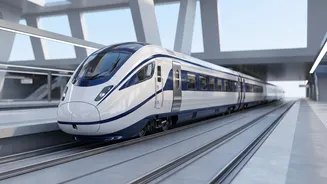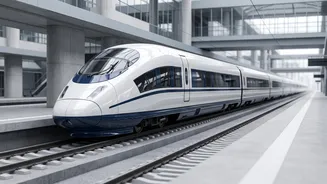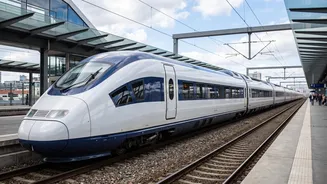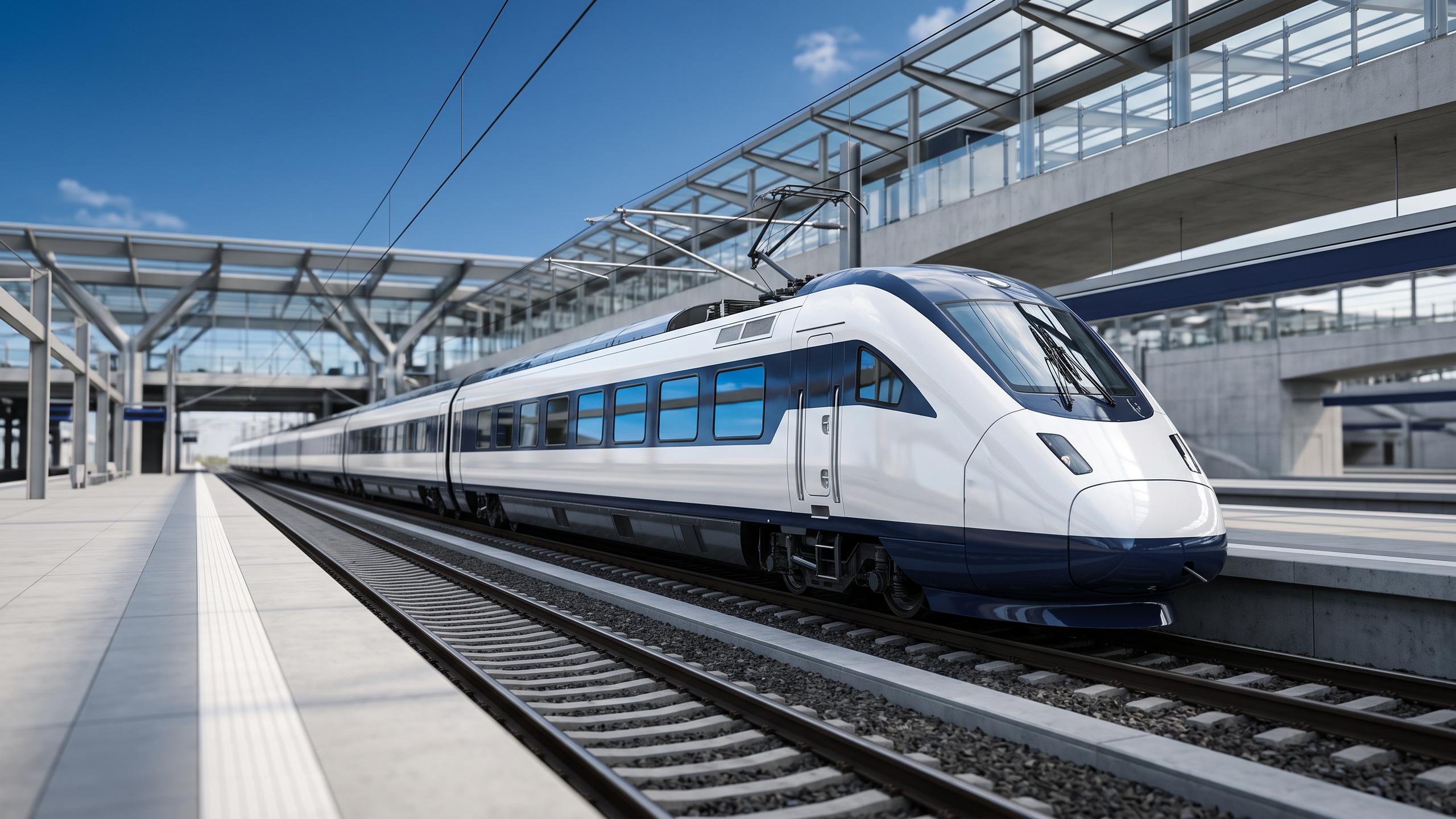




Indian Railways is on the cusp of a major transformation in overnight travel. The much-anticipated Vande Bharat sleeper trains are moving from blueprint to reality, promising to offer a modern, faster, and more comfortable alternative to iconic trains.
A New Era for Overnight Journeys
The era of the Vande Bharat Express, which has already changed chair-car travel in India, is expanding into the realm of long-distance overnight journeys. Indian Railways, along with manufacturing partners, is rolling out a new fleet of sleeper versions of these popular trainsets. The first service was launched in January 2026 between Howrah and Kamakhya. Now, services are being inaugurated on major routes like Varanasi-New Delhi and Mumbai-Bengaluru at the end of October 2026. These trains are not just an upgrade; they represent a fundamental rethinking of the overnight passenger experience, designed to compete with the long-standing Rajdhani Express network.
What's Inside the Vande Bharat Sleeper?
The standard Vande Bharat sleeper train consists of 16 fully air-conditioned coaches. While the headline mentions a 1,431-berth configuration, which refers to a proposed high-density 24-coach design for the future, the initial 16-coach rakes have a capacity of 823 berths. This is typically broken down into one AC First Class coach with 24 berths, four AC 2-Tier coaches with 188 berths, and eleven AC 3-Tier coaches with 611 berths. The interiors feature significant improvements over existing trains. Passengers can expect better-cushioned berths, sensor-based lighting in aisles, and improved ladder designs for easier access to upper berths. Each berth is equipped with individual reading lights and charging points. Other modern amenities include automatic sliding doors, bio-vacuum toilets with odour control, CCTV cameras for enhanced security, and a passenger information system.
The Speed and Technology Advantage
One of the biggest selling points of the Vande Bharat platform is its speed and ride quality. The sleeper trains are designed for a maximum operational speed of 160 km/h and have been tested at speeds up to 180 km/h. Unlike locomotive-hauled trains like the Rajdhani, the Vande Bharat is a self-propelled trainset, or Electric Multiple Unit (EMU). This distributed power system allows for much faster acceleration and deceleration, which helps in reducing overall journey times, even on routes with speed restrictions. This technology also provides a smoother, jerker free ride, significantly enhancing passenger comfort. The trains are also equipped with the indigenous 'Kavach' automatic train protection system to improve safety.
Challenging the Rajdhani Legacy
For decades, the Rajdhani Express has been the gold standard for premium overnight train travel in India. The Vande Bharat sleeper is poised to become its direct competitor and eventual replacement. In terms of speed, the Vande Bharat often has an edge due to its rapid acceleration, cutting down travel time. For instance, the new Varanasi - Delhi service is expected to be nearly three hours faster than the corresponding Rajdhani. While both offer three classes of AC accommodation, the Vande Bharat boasts more modern interiors and passenger - friendly features. However, the Rajdhani network has a more established and elaborate catering system with wider regional menus. Fares for the Vande Bharat sleeper are expected to be in a premium category, potentially higher than Rajdhani on some routes.
Manufacturing and Future Rollout
The production of these advanced trainsets is a collaborative effort. The initial batch of ten trains was built by a consortium of the Integral Coach Factory (ICF) and BEML. To meet the high demand, Indian Railways has awarded large contracts to other players as well. A consortium of Titagarh Rail Systems and BHEL is tasked with manufacturing 80 trains, while another 120 are being built by Kinet Railway Solutions, a joint venture involving Russia's Transmashholding and India's Rail Vikas Nigam Limited (RVNL). While the first few trains are already entering service, these larger manufacturing projects have timelines extending to 2027 and beyond. The goal is to progressively introduce these trains on all major long - distance routes, phasing out older rolling stock and modernising the entire network.