







The Problem with a Single Posture
The initial shift to standing desks was a reaction to the clear health risks of a sedentary lifestyle, which include a higher chance of developing heart disease, type 2 diabetes, and certain cancers. However, simply trading hours of sitting for hours of standing isn't
the perfect solution. Prolonged standing comes with its own set of problems, such as lower back pain, muscle fatigue, swollen legs, and even an increased risk of varicose veins and cardiovascular issues. The human body isn't designed to stay in any single static position for long periods. Whether sitting or standing, holding one posture for hours on end puts strain on our muscles, joints, and circulatory system. The key, therefore, is not to find one “perfect” posture, but to embrace variety.
Why Variety is Your Best Friend
Think of your daily postures like a balanced diet. You wouldn't eat only one type of food, no matter how healthy it is. Similarly, your body thrives on a mix of sitting, standing, and moving. Changing your position regularly is crucial for your well-being. This variation helps to improve circulation, reduce muscle fatigue, and keep your mind alert. When you switch from sitting to standing, you activate different muscle groups. When you walk, you boost blood flow to your entire body, including your brain, which can improve your mood and energy levels. The goal is to create a dynamic workday where no single posture dominates. This approach helps prevent the stiffness and strain that comes from being static. Experts suggest changing your working position every 30 to 60 minutes to reap these benefits.
Mastering the Art of Sitting Well
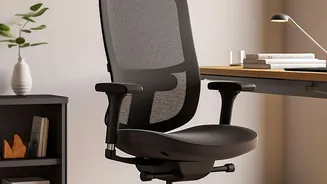
Since sitting will inevitably be part of your day, it's important to do it correctly. Ergonomic principles are designed to reduce stress on your body. Start with your chair. Adjust its height so your feet are flat on the floor and your thighs are parallel to it. Your chair should support the natural curves of your spine. Position your monitor an arm's length away, with the top of the screen at or slightly below eye level to keep your neck in a neutral position. Keep your keyboard and mouse close to you so your elbows are bent at roughly a 90-degree angle and your shoulders can relax. Even with a perfect setup, avoid sitting for more than 30-60 minutes at a time without a break.
Making Standing Work for You
Incorporating standing into your routine is a great way to break up long sitting sessions. If you have a standing desk, alternate between sitting and standing throughout the day. When you stand, make sure your desk is at a height that allows your elbows to be bent at a 90-degree angle, similar to your sitting posture. Keep your spine in a neutral position and avoid locking your knees. Distribute your weight evenly on both feet. Don't have a standing desk? No problem. You can create standing opportunities by taking phone calls on your feet, holding standing meetings, or simply standing up to stretch every hour. The simple act of rising from your chair is a beneficial movement.
The Underrated Power of Walking
Perhaps the most powerful component of a varied posture routine is the simplest: walking. Short, frequent walking breaks, sometimes called 'movement snacks', are incredibly effective. Research suggests that taking a five-minute walk every hour can significantly improve mood, reduce fatigue, and boost alertness. Walking increases your heart rate, improves circulation, and can help you feel more energised and less stressed. You don't need to go for a long hike. A quick stroll around the office, a walk to get a glass of water, or taking the stairs instead of the elevator all count. These small bursts of activity disrupt sedentary patterns and offer both physical and mental benefits, helping you return to your work refreshed and focused.