





The Case Against Heavy Curtains
For decades, thick velvet curtains were the hallmark of luxury and formality. They offered excellent insulation, blocked light for a perfect movie night, and added a sense of drama to a room. [18, 23] However, their drawbacks are becoming more apparent
in modern home design. Velvet's dense pile is a magnet for dust, lint, and pet hair, making it a high-maintenance choice that can be challenging for those with allergies. [22, 23] The fabric's weight requires robust and often expensive hardware for support. [15, 21] In smaller rooms or spaces with limited natural light, these heavy curtains can feel overpowering, making the room seem smaller and darker. [21, 23] Furthermore, many velvets require professional dry cleaning, adding to their long-term cost and inconvenience. [15, 23, 24]
The Allure of Linen's Lightness
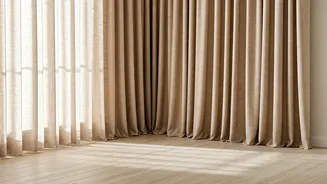
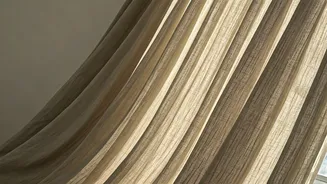
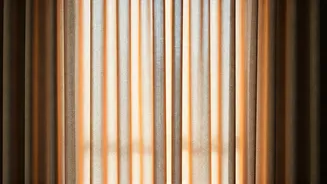
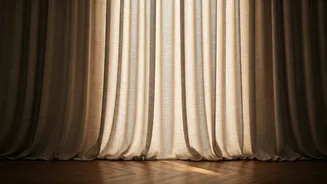
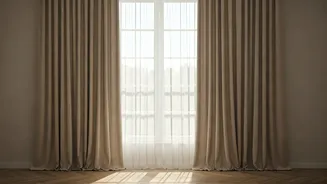
Enter linen, a fabric that champions a completely different aesthetic: one of breezy, effortless elegance. [11] Made from the natural fibres of the flax plant, linen has an organic, textured weave that interacts beautifully with sunlight. [1, 13] Instead of blocking light entirely, linen curtains filter it, diffusing harsh glare into a soft, inviting glow that warms up a space. [1, 17] This ability to brighten a room while maintaining privacy makes linen an ideal choice for living rooms, dining areas, and home offices. [12, 18] The fabric's natural breathability allows air to circulate, preventing rooms from feeling stuffy and helping to regulate temperature in warmer months. [1, 8, 17] This creates a fresh, airy feeling that aligns perfectly with contemporary desires for homes that feel connected to the outdoors. [1, 17]
Beyond Aesthetics: Practical Perks
The benefits of linen extend far beyond its good looks. As one of the strongest natural fibres, linen is remarkably durable and long-lasting, often becoming softer and more supple with each wash. [1, 4, 13] It is also a more sustainable choice compared to many synthetic fabrics, as flax requires minimal water and pesticides to grow. [4, 9, 13] For allergy sufferers, linen is an excellent option; it is naturally hypoallergenic and resistant to dust mites and bacteria. [1, 9, 19] While pure linen can be prone to wrinkling, many designers and homeowners embrace this as part of its relaxed charm. [1, 11] For those who prefer a crisper look, a linen blend can offer the same aesthetic with fewer wrinkles, and many linen curtains are machine washable, making them far easier to care for than their velvet counterparts. [1, 13]
How to Choose and Style Linen Curtains
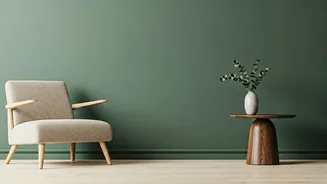
Integrating linen curtains into your home is simple, given their versatility. For a timeless and airy look, opt for neutral tones like white, beige, sand, or soft grey. [5, 7] These colours maximize light and create a clean, open feel. [7] When it comes to style, the way you hang them matters. Mounting the curtain rod several inches above the window frame can create an illusion of height, making the room feel more spacious. [5, 6] Allowing the curtains to just 'kiss' the floor provides a tailored look, while letting them pool slightly on the floor creates a more relaxed, romantic effect. [5] Linen pairs beautifully with natural materials like wood, rattan, and jute, enhancing organic and modern farmhouse aesthetics. [2, 3, 5] For a layered and more functional approach, you can pair sheer linen curtains with heavier drapes or blinds, giving you flexible control over light and privacy. [2, 6, 7]