


Blue Flag Beaches: A Mark of Excellence
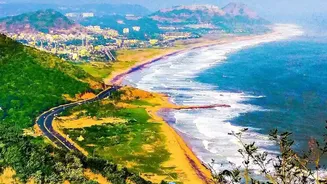
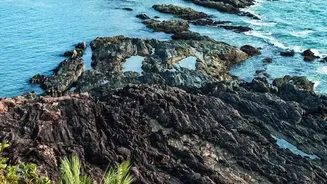
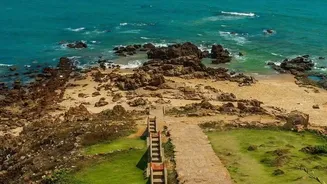
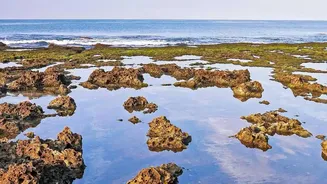
For the first time, Maharashtra has earned the prestigious Blue Flag certification for three of its beaches for the 2026-27 season. Ladghar and Guhagar in Ratnagiri district, along with Shrivardhan in Raigad district, now feature on the global list of environmentally
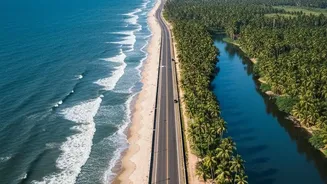
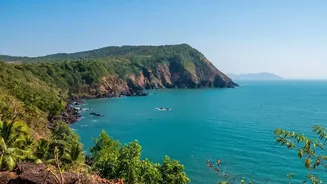
sustainable beaches. This international eco-label is awarded to beaches that meet strict standards for water quality, safety, environmental management, and accessibility. This recognition not only highlights the cleanliness and pristine nature of these locations but also assures tourists of high-quality infrastructure and a commitment to preserving the coastal ecosystem. A trip along the Konkan coast can now include a route connecting these three certified beaches, offering a journey through serene landscapes combined with ferry crossings over scenic creeks.
Sindhudurg: The New Adventure Capital
Sindhudurg district is rapidly transforming into Maharashtra's premier destination for adventure and marine tourism. A key highlight is India's first underwater museum, developed by scuttling the decommissioned naval warship INS Guldar near Nivati Rock. This project creates a unique site for wreck diving and is expected to attract scuba divers and marine enthusiasts from around the world. The area, which includes the Malvan Marine Sanctuary, already offers some of India's clearest waters for scuba diving and snorkelling at Tarkarli. The combination of the new underwater museum with existing watersports at Tsunami Island—like jet skis, parasailing, and banana boat rides—cements Sindhudurg's status as a comprehensive hub for thrill-seekers.
Goa-Style Shacks on Konkan Shores
Taking a cue from its popular neighbour, Maharashtra has approved a 'Beach Shack Policy' to allow temporary shacks on several Konkan beaches. In the initial phase, shacks will be permitted at eight beaches, including Guhagar, Arevare, Kunkeshwar, Tarkarli, Versoli, Diveagar, Kelve, and Bordi. This policy aims to enhance the tourist experience by providing organised spaces for relaxation, food, and recreation right on the sand. The initiative prioritises local employment, with 80% of jobs reserved for local residents, ensuring that the benefits of tourism growth are shared with coastal communities. The shacks must adhere to eco-friendly norms and obtain clearance from the Coastal Zone Management Authority, balancing tourism with environmental protection.
Improved Connectivity and Infrastructure
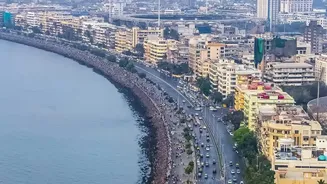
Reaching these coastal gems is becoming easier. The government is actively working on upgrading the coastal road network, including the renewal and widening of the Revas-Redi coastal road that connects Mumbai to Sindhudurg. This will reduce travel time and make the journey smoother for tourists. In Mumbai, the operational Coastal Road (Dharamveer Swarajyarakshak Chhatrapati Sambhaji Maharaj Coastal Road) has already eased city-level travel, and plans for a massive tourism hub along its 51-hectare stretch are underway. Furthermore, developments at Navi Mumbai's Nerul Jetty have introduced new waterfront experiences, including sunset boat rides with views of the Atal Setu and ferry services, enhancing the region's appeal as a connected and modern tourist destination.
Upgraded Resorts and New Accommodations
To cater to the growing tourist numbers, the Maharashtra Tourism Development Corporation (MTDC) is revamping its approach to accommodation. The state is inviting private investment to develop and manage over 30 of its properties under a Public-Private Partnership (PPP) model, including popular resorts in Ganpatipule and Tarkarli. This move aims to upgrade existing resorts to three, four, and five-star standards, offering a better experience for both domestic and international travellers. In Sindhudurg, which was declared a tourist district decades ago, new five-star hotels are now under construction, signalling a significant upgrade in the quality of luxury accommodation available in the region.