




The Urban Water Challenge
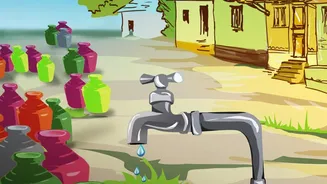
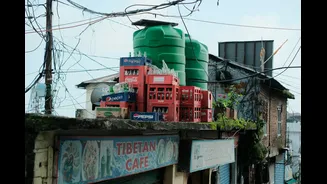
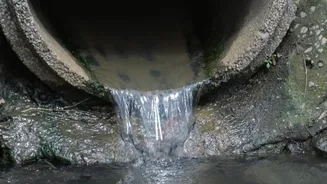
Our cities are expanding rapidly. This growth has replaced absorbent soil with concrete and asphalt, creating a dual problem. During the monsoon, rainwater has nowhere to go, overwhelming drainage systems and causing waterlogging. The rest of the year,
these same cities face severe water shortages, with groundwater levels plummeting and municipal supplies stretched thin. We receive abundant rainfall, but most of it is lost as runoff instead of being captured. Rainwater harvesting (RWH) interrupts this cycle, but implementing it on a city-wide scale is a monumental task. This is why the change is beginning at a hyper-local level.
What Are 'Low-Cost' Upgrades?
When we talk about low-cost infrastructure, we are not talking about massive dams or city-wide pipeline networks. Instead, these are simple, effective systems that individual homeowners and residential societies can install. The basic components include gutters to channel water from a roof, a 'first-flush' diverter to discard initial, dirty water, a simple filter (often made of sand and gravel), and a connection to either a storage tank or a recharge pit. A complete system for a medium-sized house can be set up for as little as ₹35,000 to ₹65,000, an investment that can often pay for itself within a few years through reduced water bills and tanker dependency.
The Power of Starting Small
The strategy to begin with low-cost, residential projects is deliberate and effective for several key reasons. Firstly, it overcomes the biggest hurdle: financial viability. Large-scale infrastructure requires huge government investment and lengthy approvals. In contrast, a household or a residential welfare association (RWA) can fund a simple rooftop system without significant bureaucratic delays. Many states even offer subsidies and property tax rebates, making it more affordable. Secondly, it builds crucial community momentum. A successful project in one house or apartment complex serves as a powerful, visible demonstration for neighbours. When residents see their neighbour's borewell recharge or their reliance on expensive water tankers decrease, it encourages wider adoption. This bottom-up approach creates a culture of conservation that policy mandates alone cannot achieve. It turns a government initiative like the Jal Shakti Abhiyan into a genuine people's movement.
Immediate Impact and Scalability
Unlike large projects that take years to show results, the impact of a residential RWH system is almost immediate. A household can see reduced water bills and increased water security in the very first monsoon after installation. The collected water can be used for non-potable purposes like gardening, cleaning, and flushing toilets, reducing the strain on the treated municipal supply. More importantly, directing excess water into recharge pits directly replenishes local groundwater aquifers. While a single home's contribution may seem small, when hundreds of homes in a neighbourhood do the same, the collective impact on the local water table can be significant, helping stabilise or even raise groundwater levels. This creates a decentralised network of water stewardship, making the entire community more resilient to drought and supply disruptions.
Overcoming the Hurdles
Of course, the approach is not without challenges. Lack of technical awareness, space constraints in dense urban areas, and the need for regular maintenance are common issues. Many installed systems become non-functional over time due to poor upkeep. However, this is where community action and policy support become vital. Resident welfare associations can organise training, pool resources for maintenance, and ensure compliance. Several state governments, like Tamil Nadu's, have mandated RWH for all buildings and are now focusing on stricter enforcement and reviving defunct structures to ensure these small-scale systems deliver long-term benefits.