



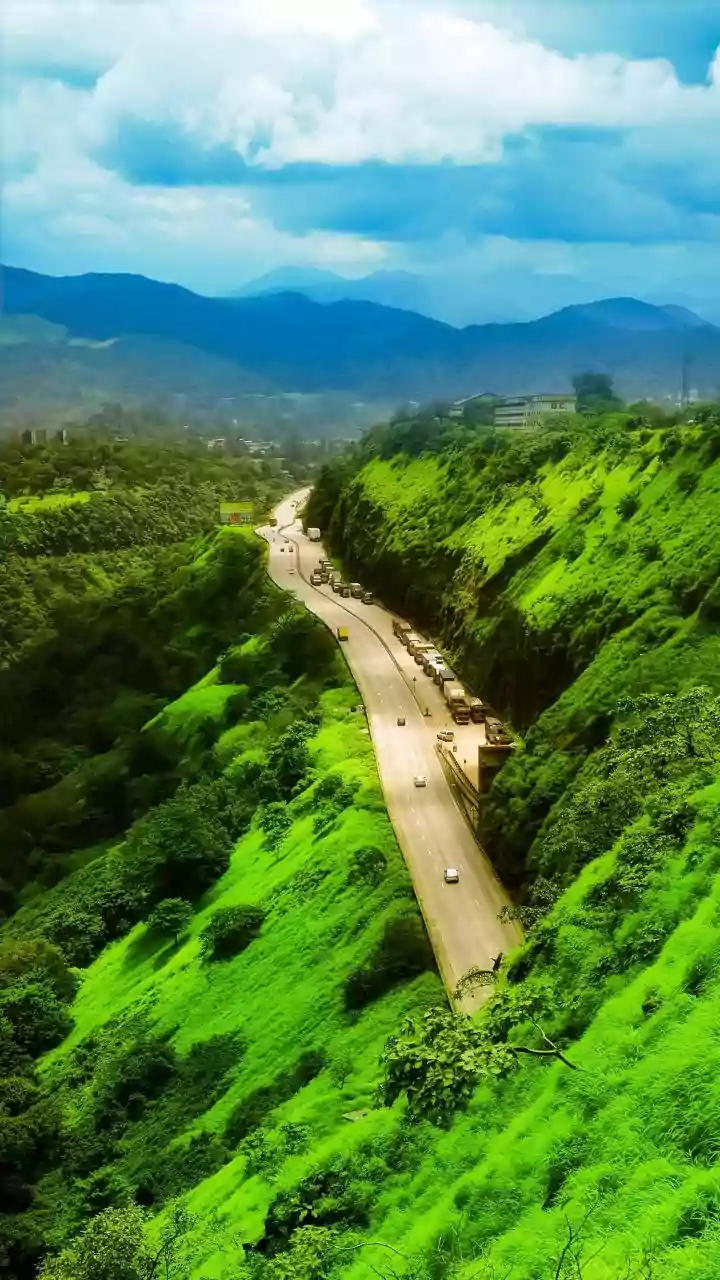



Choose Your Destination Wisely
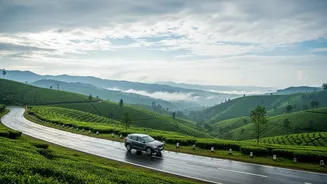
The first step to safe monsoon travel happens before you even book. Research is crucial. Some regions are far more susceptible to the severe impacts of heavy rain than others. Be particularly cautious about destinations known for landslides, such as hilly
and mountainous areas, or coastal regions prone to cyclones and severe flooding. Before finalising your plans, look into the historical weather patterns for your chosen destination during your intended travel dates. Opt for places that are generally less affected by extreme rainfall. It's also wise to choose accommodations that are well-constructed and have good drainage systems to avoid issues with waterlogging.
Decode Weather Warnings
The India Meteorological Department (IMD) is your most important resource. The IMD issues colour-coded warnings to help the public understand the severity of expected weather. A 'Green' alert means no warning, while 'Yellow' advises you to be aware as conditions could worsen. An 'Orange' alert means 'be prepared' for potentially disruptive weather like extremely heavy rain, which could impact transport and power. A 'Red' alert is the highest level, meaning 'take action'. It signals a significant threat to life and property, and travel should be avoided. Always check the latest IMD forecasts before booking and in the days leading up to your departure.
Verify Transport and Route Safety
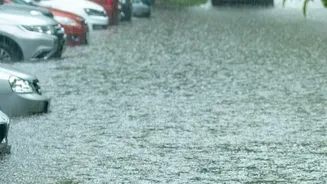
Heavy rain can severely disrupt all forms of transport. For road trips, check the condition of your vehicle, especially tyres, brakes, and wipers. Plan your route to avoid roads prone to waterlogging or landslides and never attempt to drive through flooded streets, as the water can hide deep potholes or damage and may be strong enough to sweep a vehicle away. It only takes one to two feet of water to float most cars. For train and air travel, expect delays and cancellations. Always check your flight or train status before leaving for the station or airport. Airlines often provide updates and may offer to reschedule flights impacted by severe weather. It's a good practice to keep buffer days in your itinerary to account for potential delays.
Review Your Travel Insurance
While not legally required for domestic travel in India, travel insurance provides a crucial safety net. When purchasing a policy, specifically look for coverage related to trip delays and cancellations due to inclement weather. A good policy will reimburse you for non-refundable expenses like flights and hotel bookings if your trip is cancelled for a covered reason. Trip delay coverage can help with additional costs for meals and accommodation if your journey is unexpectedly held up. Read the policy details carefully to understand what is included and what is excluded, ensuring you're protected from financial losses due to weather disruptions.
Pack a Monsoon Emergency Kit
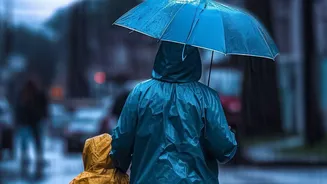
Your packing list for a monsoon trip should be focused on staying dry, healthy, and prepared. Pack lightweight, synthetic clothes that dry quickly, as cottons can take a long time to dry in humid conditions. Essential items include a sturdy umbrella, a reliable raincoat, and waterproof footwear with a good grip. Protect your electronics like phones and cameras by keeping them in waterproof bags or pouches. It's also essential to carry a basic first-aid kit with medications for common ailments, mosquito repellent, and hand sanitiser. A fully charged power bank is a must-have in case of power outages or travel delays.
Prioritise Health and Hygiene
The rainy season can increase the risk of waterborne diseases and other infections. Be vigilant about what you eat and drink. Avoid street food, especially if it's been exposed to the rain, and drink only bottled or purified water to prevent contamination. Keeping yourself hydrated is important, but ensure the source is safe. Mosquitoes are also more prevalent during this season, so use repellent, especially in the evenings, to protect against diseases like dengue and malaria. If you have to walk through waterlogged areas, clean and dry your feet thoroughly afterwards to prevent fungal infections.